





From Packets to Plates
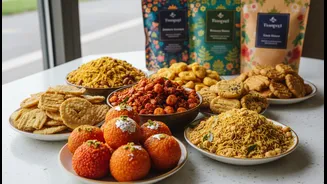
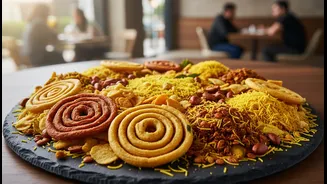
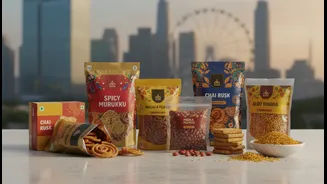
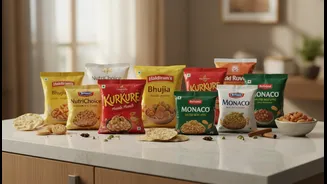
The familiar crunch of bhujia and the sweet satisfaction of gulab jamun, long enjoyed from a packet, are now being served fresh on restaurant tables in Europe. Major Indian snack manufacturers are making a significant leap from product shelves to premium
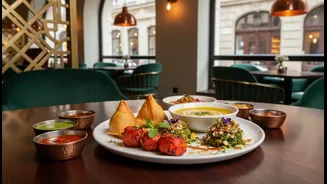
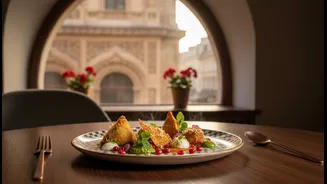
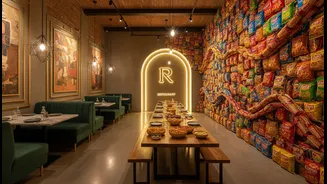
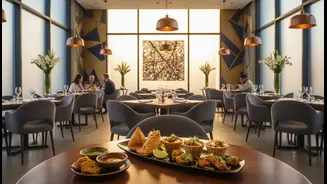
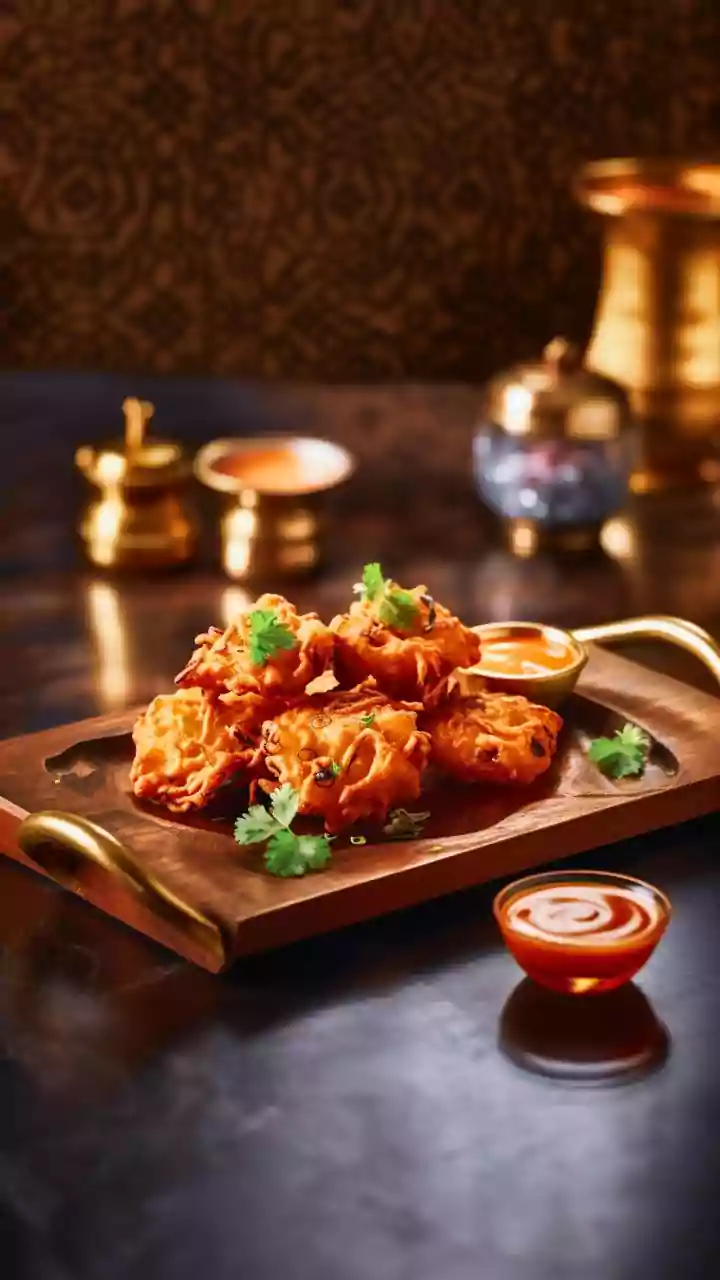
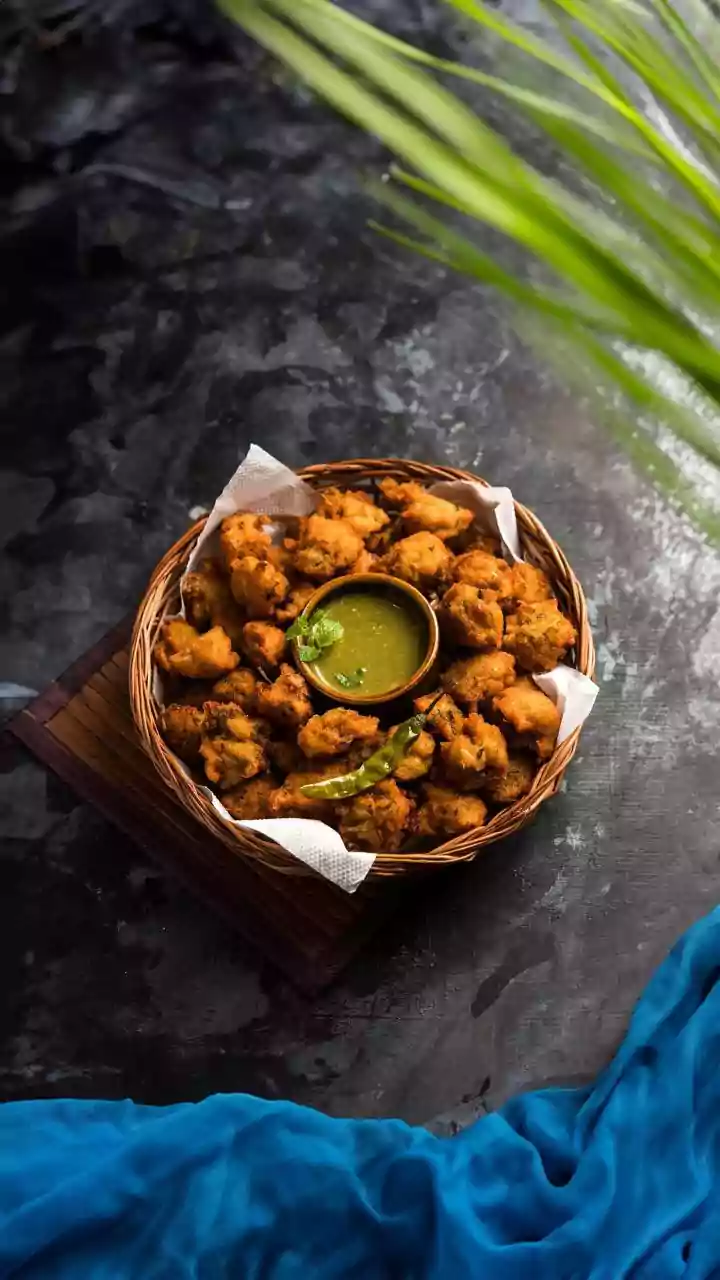
dining spaces. Leading this charge is Haldiram's, a household name in India since 1937. In June 2026, the brand opened its first full-service UK restaurant in London's bustling Leicester Square, a 120-seat establishment designed to introduce a broader audience to its culinary heritage. This isn't just a shop; it’s a casual dining experience offering everything from choley bhature to pao bhaji, moving beyond the brand's quick-service model. Similarly, Bikanervala, another giant of Indian sweets and snacks, recently opened its doors in London, bringing its own array of classic dishes to the city. This trend signals a new phase of global ambition for these companies.
The Strategy Behind the Shift
Opening a restaurant in a high-cost European city is a bold move, but it's a calculated one. For these brands, it's about controlling the entire customer experience and building a stronger, more immersive brand identity. A restaurant acts as a living advertisement, allowing customers to experience the full range and quality of the brand's offerings in a curated environment. This shift from product to experience allows them to capture higher profit margins than retail alone. Moreover, it is a statement of confidence. As Rhea Agarwal, who is leading Haldiram's European expansion, noted, the goal is to make Indian sweets and snacks a mainstream phenomenon. These restaurants also function as a crucial form of market research, providing direct feedback and helping brands understand local palates while testing new, exclusive dishes, such as the fusion desserts planned for the London location.
A Growing Appetite for Authenticity
This expansion is perfectly timed to meet a growing European demand for authentic, diverse culinary experiences. While the large Indian diaspora provides a loyal customer base, the real target is the mainstream European diner. The market for Indian food products in Europe has been growing steadily, with consumers increasingly curious about regional specialties beyond the standard curry house menu. The rise of vegetarianism and veganism has also boosted interest in Indian cuisine, which offers a vast array of plant-based dishes. Brands are tapping into a desire for genuine flavours and dishes like raj kachori and various chaats, which offer a taste of Indian street food culture in a refined setting. This trend indicates that the European palate is not just accepting of Indian food, but actively seeking its authentic and varied forms.
Indian Soft Power on a Plate
Beyond the balance sheets, this move represents a powerful form of cultural ambassadorship. These restaurants serve as a showcase for the depth and diversity of Indian culinary traditions, challenging outdated stereotypes. By establishing a physical, high-quality presence in major European capitals, brands like Haldiram's and Bikanervala are elevating the perception of Indian food and, by extension, Indian business. This expansion is part of a larger trend of Indian companies asserting themselves on the global stage. Following a successful model used by brands in other countries, these restaurants become tangible symbols of India's growing economic influence and cultural confidence. They are not just selling food; they are exporting a piece of Indian heritage and shaping a new narrative for a global audience.
The Road Ahead in Europe
The initial focus for these brands is London, a city with a deep-rooted appreciation for Indian food and a large diaspora community. However, the ambitions don't stop there. Haldiram's has already signaled its intent to explore further expansion across the UK and into other European countries like Germany, France, and Portugal, which have significant and growing Indian communities. Challenges remain, including high operating costs, intense competition, and the need to navigate complex local regulations. But the potential reward is immense: establishing a lasting foothold in one of the world's most lucrative consumer markets. This trend is not merely about food; it's about iconic Indian brands transforming into global multinational corporations, one delicious meal at a time.