



The Nine Hues of Navratri
A beloved tradition, wearing a specific colour for each of the nine days, is central to the festive wardrobe planning. For Sharad Navratri 2026, which begins on October 11, the colour sequence is set to guide sartorial choices from day one. The festival
opens with the energetic and warm shade of Orange, followed by the purity of White on the second day. The third day is for vibrant Red, symbolizing passion, while the fourth day brings the richness of Royal Blue. Mid-festival, the cheerful tones of Yellow and the serene vibes of Green take over. The final stretch is marked by the distinctive shades of Grey, the luxurious feel of Purple, and concludes with the unique and fresh Peacock Green on the ninth day. This palette influences everything from sarees and kurtas for pujas to the elaborate outfits for Garba nights.
Fashion Forward: Garba and Dandiya Glam
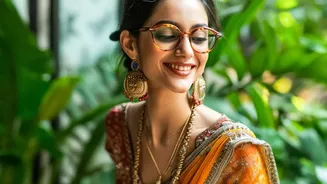
When it comes to the dance floor, comfort and flair are key. The quintessential chaniya choli remains the star of Garba nights, celebrated for its flared silhouette that moves beautifully with every twirl. This year, trends are seeing a blend of tradition and modernity. Expect to see classic mirror work, Kutchi embroidery, and bandhani prints paired with contemporary cuts. Fusion wear is gaining popularity, with crop tops paired with heavy Garba skirts and layered outfits featuring jackets or kotis over flared skirts. While vibrant, multi-coloured outfits are a staple, monochrome ethnic looks in shades like ivory or deep blue are also making a statement. For fabrics, breathable options like cotton, georgette, and lightweight silk blends are preferred to ensure comfort during long hours of dancing. To complete the look, oxidised silver jewellery—especially jhumkas, chokers, and bangles—remains the go-to accessory.
The Culinary Heart: Fasting with Flavour
Navratri is as much about food as it is about fashion, with a distinct culinary culture built around fasting (vrat). The fasting diet avoids grains like wheat and rice, onions, garlic, and regular salt. Instead, the pantry is stocked with ingredients like buckwheat flour (kuttu ka atta), water chestnut flour (singhare ka atta), barnyard millet (samak ke chawal), and tapioca pearls (sabudana). Rock salt (sendha namak) is used for seasoning. These ingredients are transformed into a variety of delicious dishes. Classics like Sabudana Khichdi, Kuttu ki Puri served with Aloo Sabzi, and Samak Rice Pulao are staples in most households. These dishes are not only compliant with vrat rules but also provide sustained energy.
Modern Menus and Festive Feasting
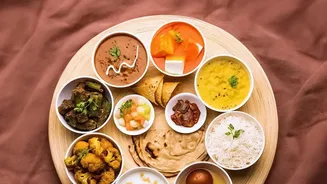
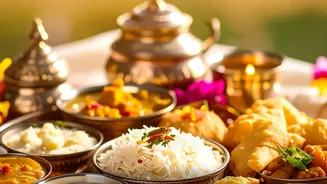
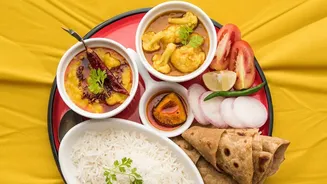
While traditional recipes hold their ground, there's a growing trend of modern interpretations of vrat food. Home cooks and restaurants are getting creative with fasting ingredients. You might find kuttu pancakes, sweet potato chaat, or even smoothie bowls made with makhana (fox nuts) and fruits. Many restaurants across the country roll out special Navratri thalis, offering a complete and balanced meal. These thalis often feature a delightful spread, including paneer preparations, different vegetable curries, puris made from fasting flours, raita, and a dessert like sabudana kheer or fruit cream. This allows those who are fasting to enjoy a diverse and flavourful feast without the hassle of extensive cooking, blending convenience with tradition.