







What is Geoengineering?
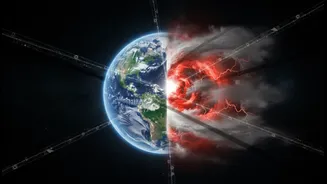
At its core, geoengineering refers to a set of proposed technologies designed to intentionally manipulate the Earth's climate to counteract global warming. These are not small-scale environmental projects but planetary-level interventions. The ideas themselves
are generally split into two distinct and very different categories: Solar Radiation Modification (SRM) and Carbon Dioxide Removal (CDR). The first aims to treat the symptom—a warming planet—by essentially providing planetary shade. The second tries to address the root cause by actively pulling heat-trapping carbon dioxide out of the air. Both approaches, however, come with a universe of unknowns and potential risks that have many scientists deeply concerned.
The Two Main Approaches
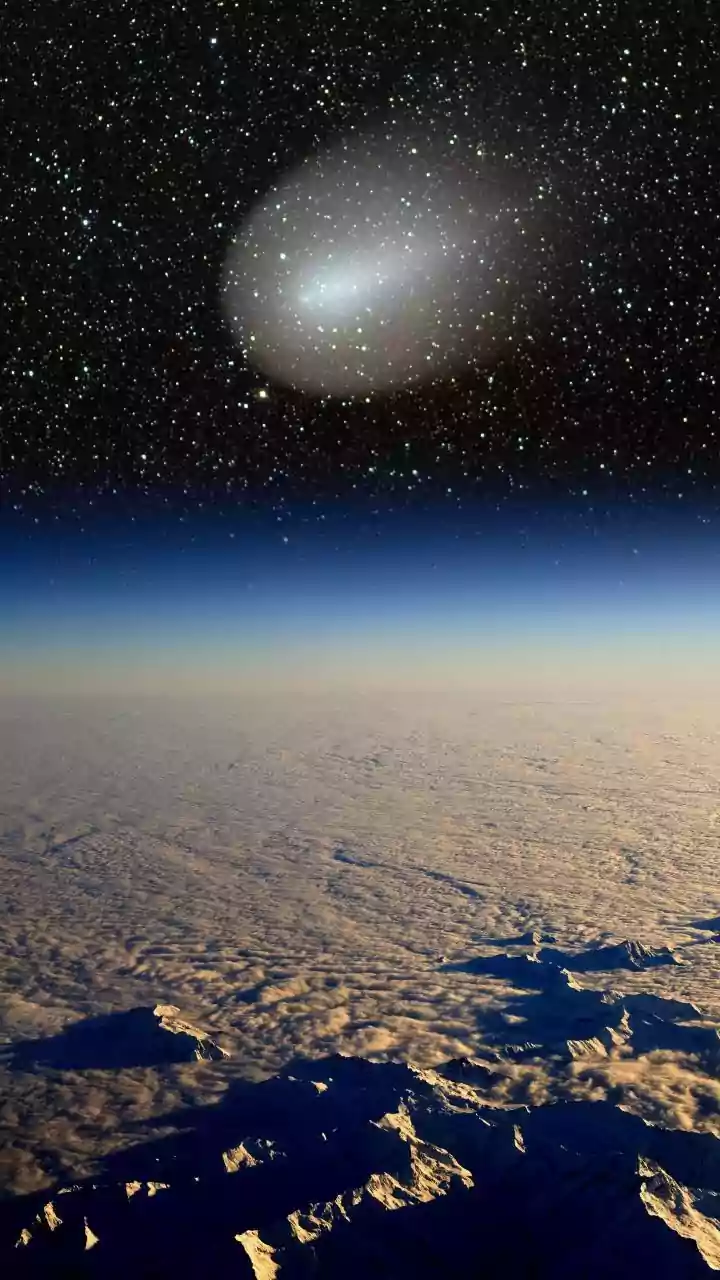
Solar Radiation Modification (SRM) is the more controversial of the two. Proposals include injecting tiny reflective particles, or aerosols, into the stratosphere to mimic the cooling effect of a large volcanic eruption, which scatters sunlight back into space. Another idea is 'marine cloud brightening,' which involves spraying sea salt into low-lying clouds to make them more reflective. Carbon Dioxide Removal (CDR), on the other hand, involves methods like building vast arrays of machines for direct air capture to filter CO2 from the atmosphere, planting massive new forests, or enhancing the ocean's natural ability to absorb carbon, for instance through 'ocean alkalinity enhancement.' While CDR is often seen as a necessary component of future climate action, SRM is viewed as a far more drastic and risky emergency measure.
The Promise of a Planetary Thermostat
The primary appeal of SRM is its potential speed. Models suggest that stratospheric aerosol injection could lower global temperatures relatively quickly, perhaps within a few years of deployment, buying humanity precious time while it transitions away from fossil fuels. For regions already facing unbearable heatwaves, droughts, and sea-level rise, the idea of a rapid cooling mechanism is undeniably tempting. Proponents argue that, given the slow pace of global emissions reductions, we have a moral obligation to research these technologies as a potential last resort. They aren't positioned as a permanent fix, but as a temporary shield to prevent catastrophic tipping points from being breached.
The Risk of a Global Backfire
The potential downsides, however, are monumental and unpredictable. A primary fear is that tinkering with sunlight could have massive unintended consequences for global weather patterns. Several climate models suggest that SRM could drastically disrupt the Asian summer monsoon, a weather system that is a lifeline for the agriculture that feeds billions of people. A reduction of just 5-7% in monsoon rains, as some studies project, could have devastating impacts on food and water security in India and across the region. Beyond monsoons, SRM could damage the ozone layer and wouldn't solve ocean acidification, as CO2 would continue to build up in the atmosphere.
The 'Termination Shock' and Moral Hazard
Perhaps the most terrifying risk of solar geoengineering is the 'termination shock.' If a future society were to deploy an artificial sun shield for decades and then suddenly stop—due to war, political instability, or technical failure—global temperatures would shoot up rapidly. The resulting warming could be far faster and more chaotic than what we are experiencing now, leaving ecosystems and human societies with no time to adapt. Furthermore, there is the 'moral hazard': the fear that the mere promise of a techno-fix like geoengineering could reduce the urgency and political will to cut greenhouse gas emissions—the only permanent solution to the crisis. It could become an excuse for inaction.
A Call for Governance and Care
These profound risks are why so many researchers are urging extreme caution. The scientific consensus is that we know far too little about these complex systems to safely attempt to engineer them. There is no international agreement or governing body to regulate geoengineering research, let alone deployment. Who gets to control the global thermostat? Could one country's actions lead to drought in another, potentially sparking conflict? These are the unanswered ethical and political questions that have prompted calls for a global moratorium on deployment and the establishment of a robust, transparent, and inclusive governance framework before any large-scale experiments are even considered. The core message from the scientific community is not to abandon research, but to proceed with a level of care and humility that matches the planetary scale of what is being proposed.