
Rule One: The Right Clothing
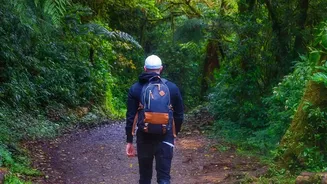
When it comes to monsoon trekking, your choice of clothing is crucial. The primary rule is to avoid cotton at all costs. Cotton absorbs moisture, gets heavy, and takes a very long time to dry, leaving you feeling cold and uncomfortable. Instead, opt for synthetic,
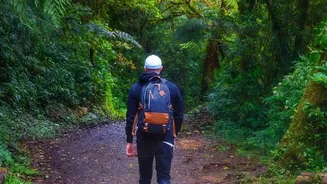
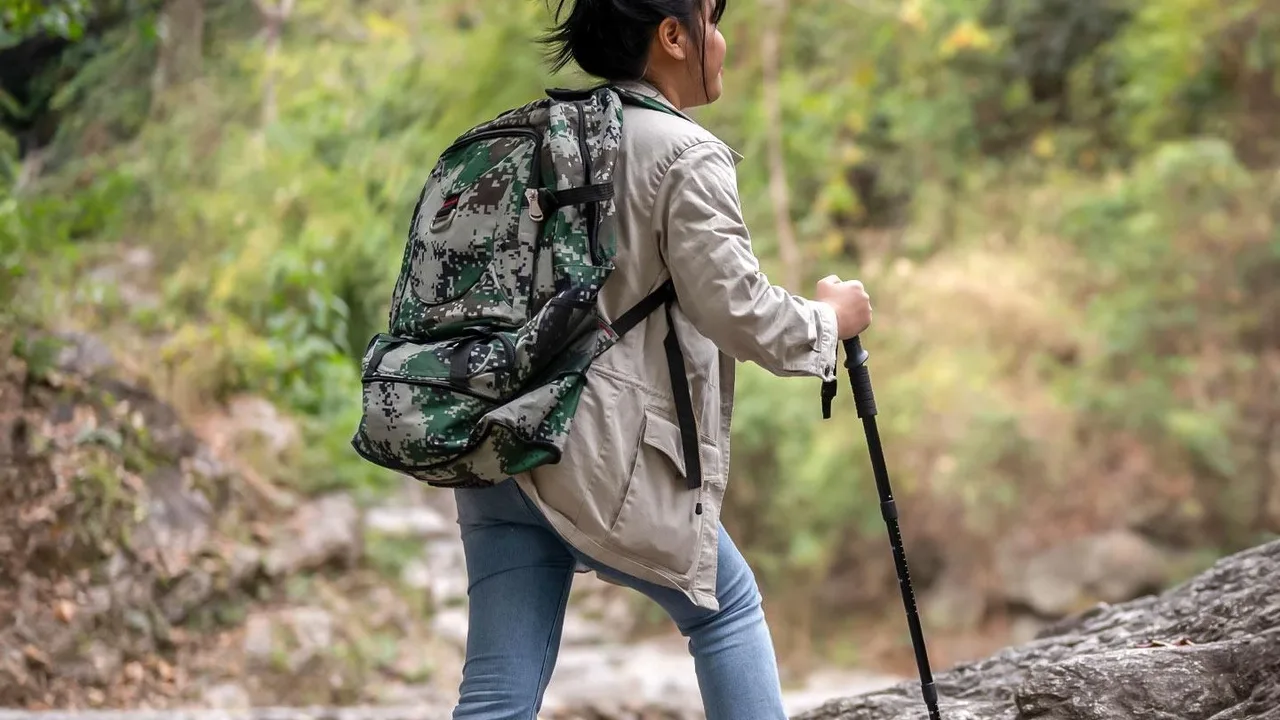
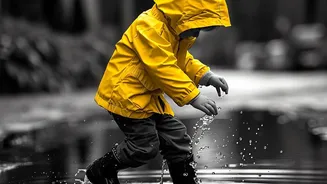
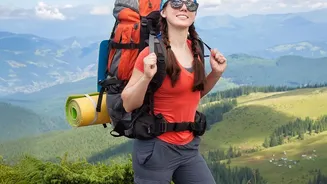
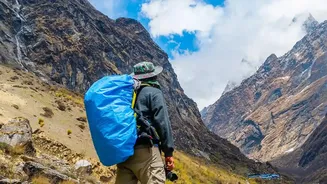
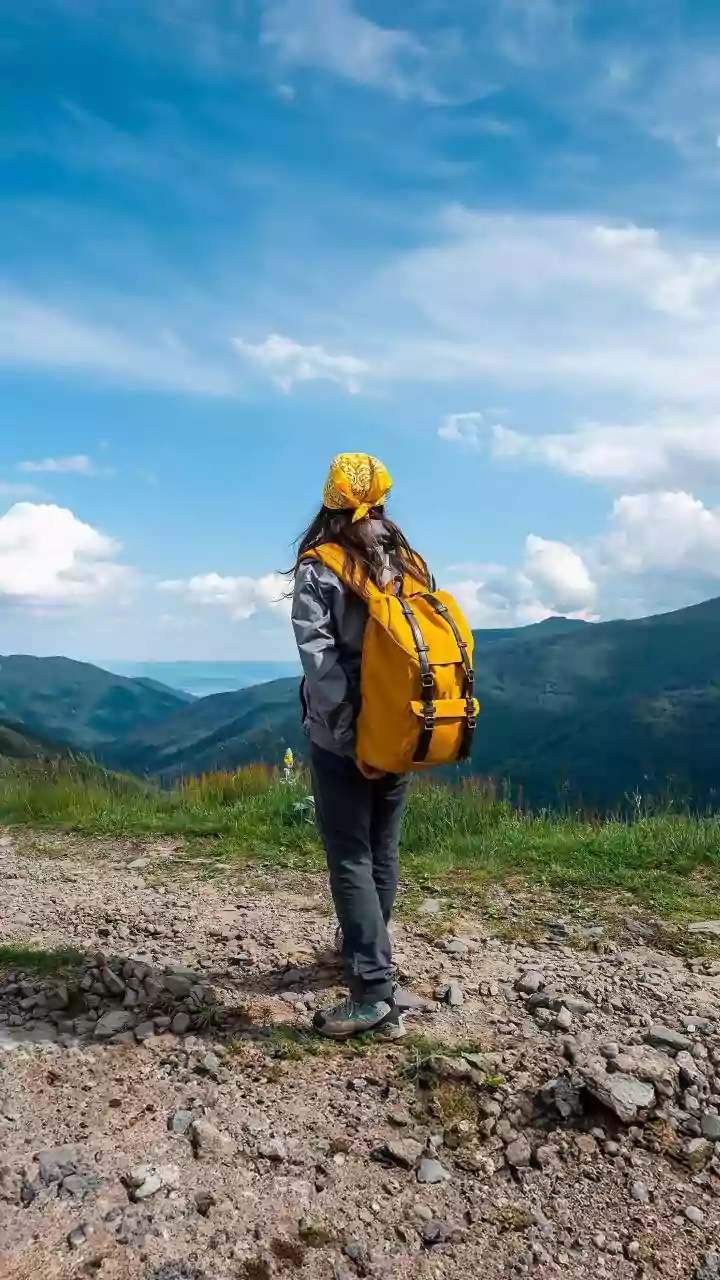
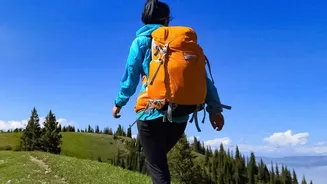
quick-drying fabrics like polyester or nylon for your t-shirts and trekking pants. It’s best to wear full-sleeved shirts and full-length pants to protect your skin from insects and scratches from overgrown trails. Layering is a smart strategy. A lightweight, breathable rain jacket or a poncho is non-negotiable. A good poncho has the added benefit of covering both you and your backpack, offering complete protection during a downpour.
Your Foundation: The Right Footwear
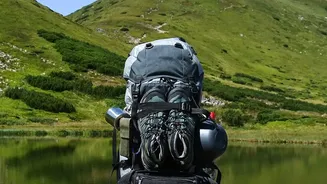
Your feet are your most valuable asset on a trek, and the wrong footwear can ruin the experience. For monsoon treks, especially in rocky terrain like the Western Ghats, shoes with excellent grip are essential to prevent slips and falls on wet, mossy surfaces. Look for trekking shoes with deep rubber lugs. While waterproof shoes sound ideal, they can sometimes trap water that seeps in from the top, leading to soaked feet. An alternative is a pair of non-waterproof shoes with good drainage, paired with waterproof socks. Regardless of your choice, always carry at least two or three extra pairs of synthetic or wool-blend socks. Wet feet can lead to blisters and other issues, so changing into a dry pair is a simple comfort that makes a huge difference.
Backpack and Gear Protection
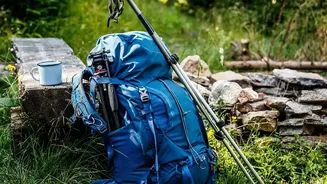
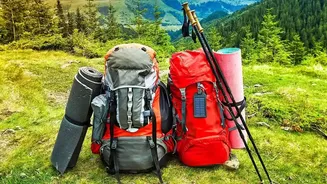
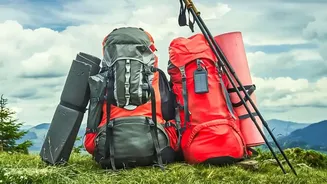
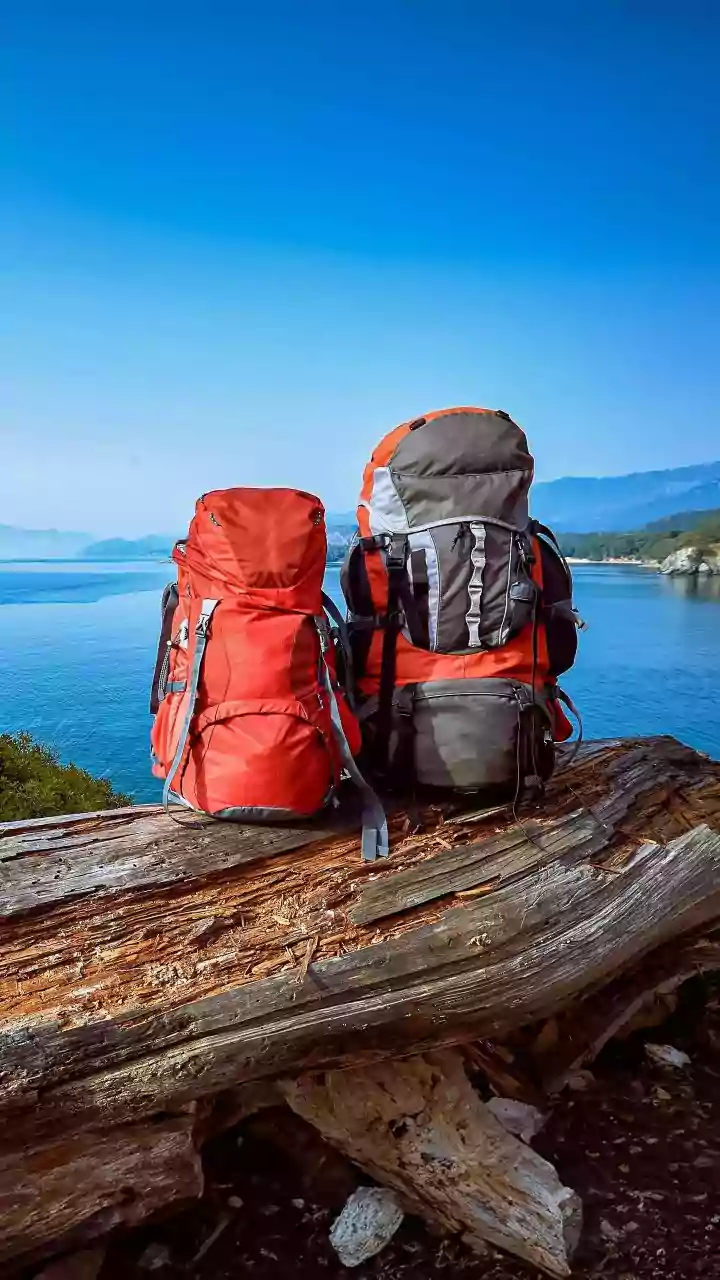
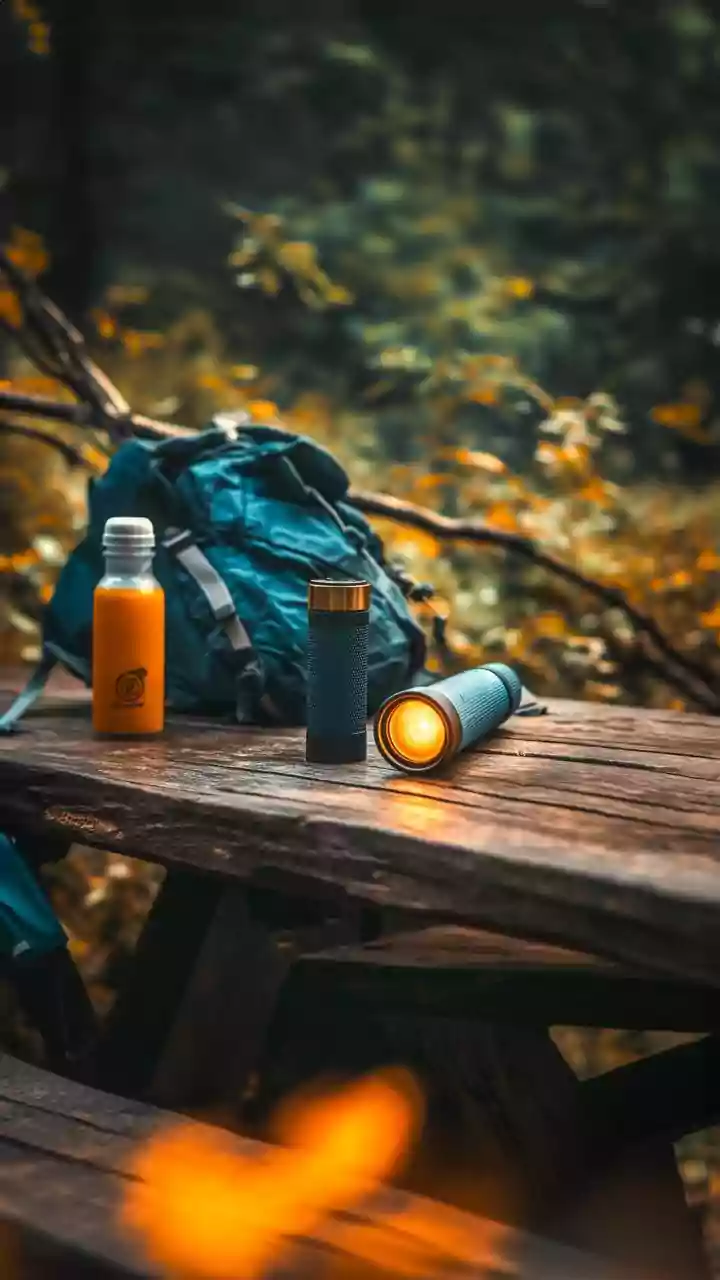
Keeping your belongings dry is a top priority. Start with a backpack that has a dedicated, high-quality rain cover. For an extra layer of security, line the inside of your backpack with a large plastic bag or a purpose-made pack liner. Organise your clothes, electronics, and other essentials into smaller, waterproof dry bags or zip-lock bags. This compartmentalisation not only keeps things dry but also makes them easier to find. Valuables like your phone, camera, and power bank should be double-bagged to ensure they are completely shielded from moisture. A headlamp is another essential piece of gear, as visibility can drop quickly in the late afternoon or under a thick forest canopy.
Health, Safety, and Supplies
A well-stocked first-aid kit is a must on any trek, but for the monsoon, it needs a few specific additions. Include antiseptic wipes, bandages, pain relievers, and any personal medications. Because of the damp conditions, add an anti-fungal powder. The monsoon also means leeches are common in forested areas. To deal with them, carry a small vial of salt or hand sanitiser, which causes them to detach safely. Never pull a leech off, as its mouthparts can get stuck in your skin and cause an infection. After removal, clean the bite area with an antiseptic wipe. Insect repellent is also highly recommended. Finally, stay hydrated by carrying at least two litres of water and an oral rehydration salts (ORS) sachet.