

In the world of vegetarian cooking, quinoa and lentils are pantry powerhouses. Both are celebrated for their versatility and nutritional benefits, but how do they stack up against each other? Let's explore their key differences to help you choose wisely.
The Nutritional Showdown
When it comes to nutrition, both quinoa and lentils are champions, but they excel in different areas. Quinoa is famously a 'complete protein', meaning it contains all nine essential amino acids our bodies can't produce on their own. Lentils, on the other hand, are an 'incomplete protein' but boast a higher overall protein content, with about 18 grams per cooked cup compared to quinoa's 8 grams. Lenthils are also a fibre heavyweight, offering nearly 16 grams of dietary fibre per cup, which is more than double the amount found in quinoa. This high fibre content makes them excellent for digestive health and promoting a feeling of fullness. Lentils also take the lead in several key micronutrients, providing more folate, iron, potassium, and various B vitamins. Quinoa, however, shines in its magnesium and manganese content. Both have a low glycemic index, meaning they help in regulating blood sugar levels, though lentils generally have a lower GI than quinoa.
Cooking, Taste, and Texture
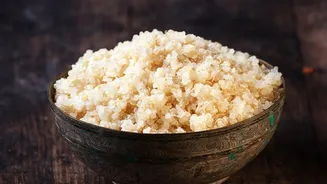
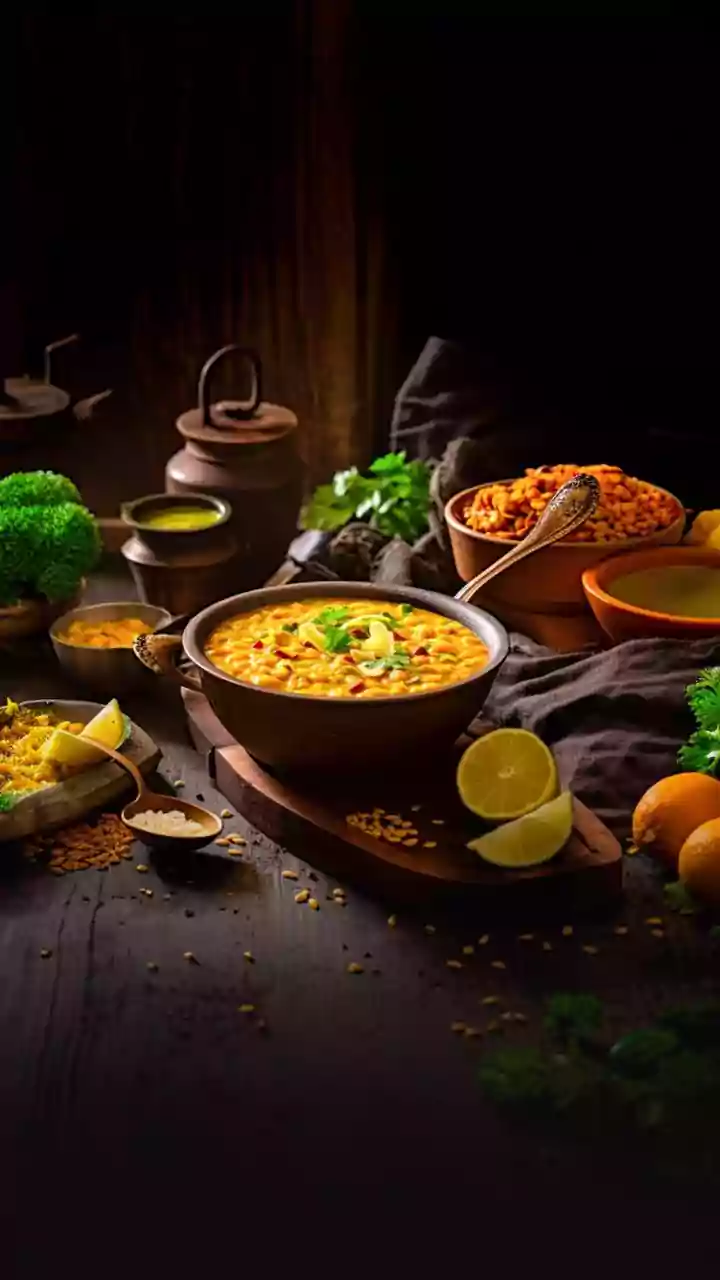
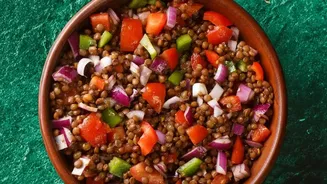
The differences continue in the kitchen. Quinoa, which is technically a seed, cooks relatively quickly, usually in about 15 minutes. It's crucial to rinse quinoa before cooking to remove its natural coating, called saponin, which can impart a bitter taste. Once cooked, quinoa becomes light and fluffy, with a slightly nutty flavour and a distinct, pleasant pop. This texture makes it a fantastic substitute for rice or couscous. Lentils, which are part of the legume family, come in various colours like brown, green, red, and black, each with a slightly different cooking time and texture. Brown and green lentils tend to hold their shape well after cooking for about 20-30 minutes, offering a firm, chewy bite perfect for salads and stews. Red lentils cook much faster and tend to break down into a soft, creamy consistency, making them ideal for thickening soups and creating classic Indian dishes like dal.
Best Culinary Uses for Each
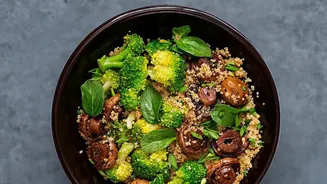
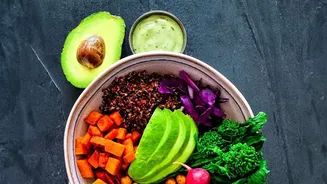
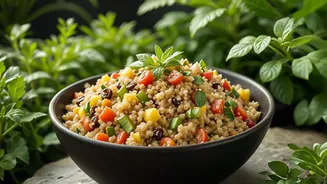
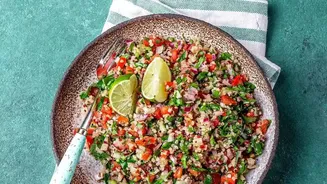
Deciding between quinoa and lentils often comes down to the dish you're making. Quinoa's fluffy texture and mild taste make it incredibly versatile. It serves as an excellent base for salads and grain bowls, can be used as a side dish, or even made into a breakfast porridge. Its ability to absorb flavours makes it a great canvas for a variety of seasonings and dressings. Lentils, with their heartier and earthier profile, are a natural fit for soups, stews, and curries. Their texture provides a satisfying, 'meaty' quality to vegetarian dishes. In Indian cuisine, lentils are the foundation of countless dal preparations, a staple in many households. Brown and green lentils are also excellent for making veggie burgers and hearty fillings for wraps.
The Power of Pairing: Better Together
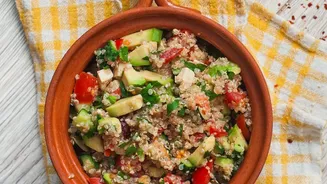
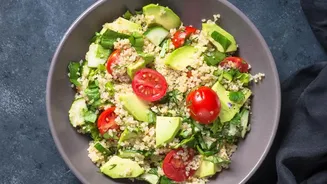
While the 'versus' debate is useful, the real magic happens when you combine quinoa and lentils. Pairing them creates a meal that is not only nutritionally superior but also texturally diverse. Since quinoa is a complete protein and lentils are rich in fibre and certain amino acids like lysine (where quinoa is lower), combining them covers all your bases. Many recipes, from one-pot meals to hearty salads, successfully bring these two ingredients together. A warm dish of curried lentils and quinoa offers a comforting and complete meal. You can also cook them separately and combine them in a Mediterraneanstlye salad with fresh vegetables and a zesty dressing. This approach gives you the robust bite of lentils alongside the light fluffiness of quinoa, creating a more satisfying and texturally interesting dish. For a simple and comforting meal reminiscent of khichuri, try tempering cooked quinoa and lentils with cumin seeds and ghee or oil.