

The Science of Soggy Soil
Plants drink water through their roots, but they also release water vapor from their leaves in a process called transpiration. At the same time, water evaporates from the surface of the soil. Both processes are essential for a healthy watering cycle.
However, when the air around the plant is already saturated with moisture (high humidity), there's less 'room' for water vapor to go. This significantly slows down both evaporation from the soil and transpiration from the leaves. Think of it like trying to dry a towel in a steamy bathroom—it takes much longer because the air is already holding a lot of water. The same principle applies to your plant's pot.
The Dangers of Lingering Dampness
While some tropical plants love humid air, no plant likes to have its roots sitting in perpetually soggy soil. When soil stays wet for too long, it becomes dense and compacted, pushing out the air pockets that roots need to breathe. This oxygen-deprived environment is the perfect breeding ground for fungal and bacterial pathogens that cause root rot. Root rot is a serious condition where roots turn brown, mushy, and can no longer absorb water or nutrients, eventually leading to the plant's decline. Chronically damp soil also attracts common household pests like fungus gnats, which lay their eggs in moist topsoil.
Rethink Your Watering Routine
In a humid environment, watering on a fixed schedule is a recipe for disaster. The most important adjustment is to water based on the soil's actual moisture level, not the calendar. Before adding more water, always check the soil. The classic 'finger test' is effective: stick your finger two to five centimetres into the soil. If it feels damp, wait another day or two and check again. For a more precise reading, a moisture meter can be a helpful tool. The key is to allow the top layer of soil to dry out between waterings, ensuring the roots get a chance to breathe.
Improve Your Potting Mix
The right soil can make all the difference in a humid home. Standard potting soil can sometimes retain too much water. To combat this, you should use a potting mix that is light, airy, and drains quickly. You can improve any bagged mix by adding amendments that increase aeration and drainage. Materials like perlite, pumice, or orchid bark are excellent for creating air pockets within the soil. These additions help excess water flow through the pot more freely and allow air to circulate around the roots, even when the ambient humidity is high. A good mix for tropical plants in humid climates often includes peat moss or coco coir for moisture retention, balanced with a generous amount of perlite or bark for drainage.
Prioritise Air Circulation
Stagnant, humid air is the biggest obstacle to soil drying. Improving air circulation around your plants can work wonders. Simply opening a window for a few hours a day can help move moist air away from your plants. A small, gentle fan pointed in the general direction of your plants (but not directly at them) can also significantly improve airflow and encourage evaporation. It's also wise to avoid grouping plants too tightly together in very humid conditions; give them some space to breathe. Good airflow not only helps the soil dry but also discourages fungal diseases from taking hold on the leaves.
Choose the Right Pot
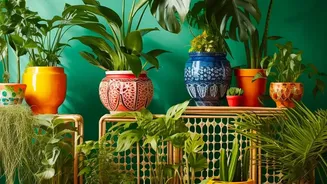
The type of pot you use plays a significant role in soil moisture management. Pots made from porous materials like terracotta are ideal for humid environments. The clay allows moisture and air to pass through the walls of the pot, helping the soil dry out more evenly and quickly from all sides. In contrast, plastic or glazed ceramic pots are non-porous, meaning water can only evaporate from the top surface of the soil and escape through the drainage hole at the bottom. While these pots can be fine with a well-draining soil mix, terracotta provides an extra advantage in the battle against soggy soil. Regardless of material, ensure any pot you use has at least one drainage hole.