




The Hidden Power in the Peel
In many Indian households, the principle of using every part of a vegetable or fruit is a way of life. From turning watermelon rinds into curry to pickling mango peels, nothing goes to waste. The humble lemon rind is another kitchen scrap that holds incredible
potential. Often discarded after squeezing the juice, lemon peels are a treasure trove of flavour and nutrition. They are packed with essential oils, potent antioxidants, and a significant amount of Vitamin C. More importantly, they contain pectin, a type of soluble fibre that is beneficial for digestion. By saving your lemon rinds, you are not just reducing kitchen waste but also unlocking a powerful ingredient that can elevate your meals in an unexpected way.
What Makes it Gut-Friendly?
The term 'gut-friendly' often brings to mind complex fermented foods, but this lemon chutney earns the title in two simple ways. Firstly, the high pectin content in lemon peels acts as a prebiotic. Prebiotics are essentially food for the good bacteria in your gut, helping them thrive and maintain a healthy digestive environment. Secondly, when this chutney is allowed to mature, a natural fermentation process begins, similar to traditional Indian pickles (achaar). This process cultivates probiotics, the beneficial bacteria that support digestive health. While the preparation is quick, allowing the chutney to sit for a few days to a week helps these flavours and benefits develop fully. The result is a condiment that not only tastes good but also supports your digestive wellness.
The 'Prep-in-Minutes' Chutney Recipe
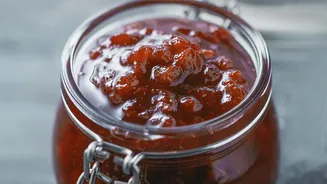
The beauty of this recipe lies in its simplicity. While a traditional preserve can take hours, the active preparation here is incredibly fast. You will need the peels of about 5-6 large lemons, preferably thin-skinned. First, ensure the peels are clean. A good wash under warm water is sufficient. Chop the peels into small pieces, discarding any seeds. The finer you chop, the quicker the texture will soften. For a quick version, boil the chopped peels in water for 10-15 minutes until they are soft, then drain. In a pan, heat a little oil and add a teaspoon of mustard seeds, letting them splutter. Then, add the softened lemon peels, half a cup of sugar (or jaggery), a tablespoon of grated ginger, a teaspoon of red chilli powder, half a teaspoon of turmeric, and salt to taste. Add a splash of water and let it simmer for about 20 minutes, stirring occasionally until the mixture thickens into a glossy chutney. For a no-cook version, you can simply grind the raw peels with sugar and spices into a coarse paste and let it mature in a sunlit spot for a few days.
Serving and Customising Your Chutney
This lemon rind chutney is incredibly versatile. Its sweet, sour, and spicy profile makes it a perfect accompaniment to a wide range of Indian meals. Serve it alongside dal and rice, spread it on a paratha or roti, or use it as a side with snacks like samosas and dhokla. It can also double as a marmalade on toast for a zesty breakfast. Don't be afraid to experiment with the spices. You can add a pinch of asafoetida (hing) for a savoury depth, some roasted and ground fennel seeds for aroma, or a bit of black salt (kala namak) for a more complex tang. Stored in a sterilised, airtight glass jar in the refrigerator, this chutney will last for several weeks, with its flavour only improving over time as the peels continue to soften and absorb the spices.