

From Sightseeing to 'Doing'
For decades, a holiday meant ticking landmarks off a list. Today, an increasing number of travellers, particularly younger Indians, are seeking more. They want to immerse themselves in culture, connect with communities, and create memories through active
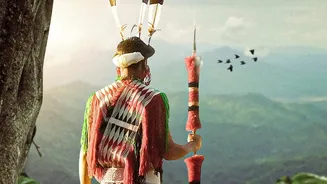
participation. This has given rise to 'experiential travel'—a segment projected to become a dominant force in India's tourism industry. Instead of just seeing a place, travellers want to live it, whether that means attending a remote music festival, joining a traditional culinary workshop, or participating in local celebrations. This shift is driven by a desire for authenticity and unique stories to share, moving beyond the conventional photo-op.
The Rise of Festival-Driven Tourism
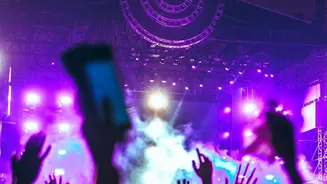
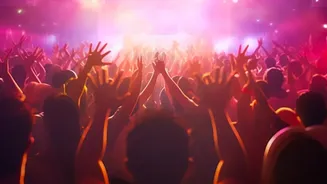
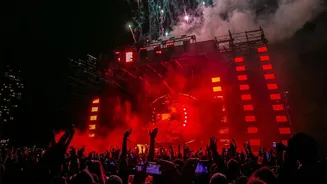
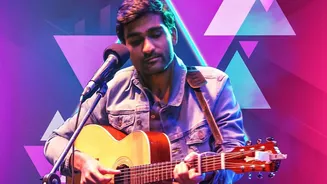
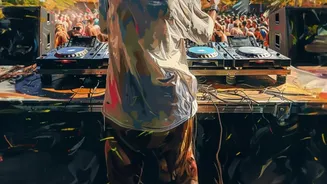
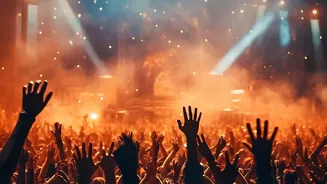
Festivals are no longer just a local affair; they are powerful magnets for tourists. A recent report from Zostel, a major player in the backpacker segment, highlights this trend, revealing that music-led trips on their Zo Trips platform have surged four to five times year-on-year. This isn't limited to one company. Across the industry, travel agencies are seeing holidays being planned around events like the Ziro Festival of Music in Arunachal Pradesh, Ganesh Chaturthi in Maharashtra, or the Rann Utsav in Gujarat. According to industry data, nearly one in three young travellers now prefers attending a music festival to a traditional leisure vacation, with many booking their trips 45 to 60 days in advance. This indicates a deliberate choice to build a vacation around a specific cultural event.
Who is the Festival Traveller?
The data paints a clear picture of the demographic driving this trend. According to Zostel's findings, 55% of travellers booking music festival trips are between 21 and 28 years old, with another 30% falling in the 28 to 34 age bracket. This is the Gen Z and millennial cohort, who prioritise experiences over possessions and are heavily influenced by social media. A striking 80% of these travellers book solo, seeking to meet like-minded people and be part of a community. For them, a festival is not just about the music or the rituals; it is a social gathering that offers a sense of belonging and connection.
More Than Just Music
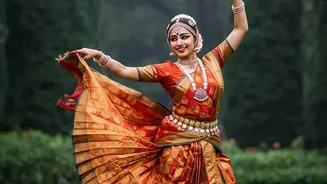
While music festivals like Ziro or NH7 Weekender are major draws, the trend extends to a wide array of cultural and religious events. From the spiritual pull of the Kumbh Mela to the vibrant colours of Holi, travellers are seeking authentic cultural immersion. Companies are responding by creating curated packages that go beyond the main event. A trip to the Ziro Festival, for instance, might now include trekking, café hopping, and homestays with the local Apatani community. This approach benefits both the traveller, who gets a richer experience, and the local economy, which sees increased demand for homestays, guides, and regional businesses.
The Business of Experiences
For travel companies, this shift represents a significant opportunity. The headline figure of 30% for a brand like Zo Trips demonstrates that what was once a niche market is now a core business vertical. These are not simple bookings; they are complex itineraries that bundle accommodation, transport, event tickets, and local activities. The market is substantial, with domestic festival packages starting around ₹25,000 and international trips for events like Tomorrowland costing upwards of ₹1.5 lakh. As the Indian experiential travel market is projected to grow significantly, companies that can successfully curate and deliver these authentic, event-driven experiences are poised to lead the future of travel.