


Why Drainage is Everything During Monsoon
During the Indian monsoon, which typically lasts from June to September, heavy and frequent rains can quickly saturate the soil in pots. Unlike garden beds where excess water can seep deep into the earth, containers trap moisture. When soil is waterlogged,
the air pockets that roots need for oxygen disappear. This can lead to root suffocation and, eventually, root rot—a fungal condition that turns roots mushy and black, effectively killing the plant. Symptoms of overwatering often mimic those of a thirsty plant, such as yellowing leaves and wilting, making it a deceptive problem to diagnose. Good drainage ensures that excess water flows out freely, allowing roots to breathe and preventing the onset of fungal diseases that thrive in damp conditions.
Practical Tips for Perfect Pot Drainage
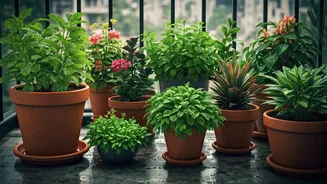
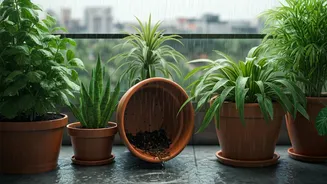
Before the heavy rains begin, it's wise to do a drainage check-up on your balcony garden. First, ensure every pot has at least one, and preferably multiple, drainage holes. If a decorative pot lacks holes, it's best to either drill them or use it as a cachepot (a decorative outer planter) with a functional, well-draining pot inside. Elevating your pots is another simple yet highly effective strategy. Placing pots on feet, bricks, or plant stands allows water to escape freely and prevents the drainage holes from getting blocked by the floor surface. During periods of continuous rain, it's a good idea to remove any saucers or trays from under the pots, as they tend to collect stagnant water, which can be reabsorbed by the soil and become a breeding ground for mosquitoes.
The Right Soil Mix for the Rainy Season
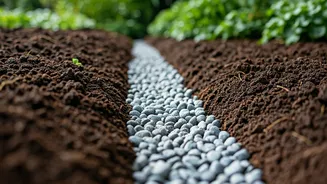
The secret to excellent drainage begins with the potting medium itself. Standard garden soil is often too dense for containers and can become compacted and waterlogged during the monsoon. A high-quality, porous potting mix is essential. You can create your own monsoon-ready mix by combining garden soil with materials that improve aeration and drainage. Amending your soil with coarse sand, coco peat (coir), and vermicompost or compost is a popular method. Sand improves porosity, while coco peat retains just enough moisture without becoming soggy. Perlite is another excellent additive for creating air pockets and lightening the soil. For an added layer of protection, especially in humid conditions, adding a natural fungicide or neem cake powder to your mix can help prevent fungal growth and deter pests.
Top Plants That Thrive in the Monsoon
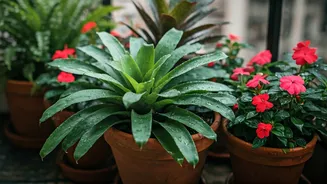
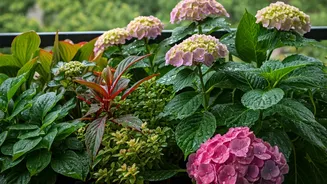
Choosing the right plants is just as important as ensuring good drainage. While some plants like succulents will rot in the constant wetness, many tropical and flowering varieties absolutely flourish in the high humidity and abundant water of the monsoon season. Here are some of the best choices for a vibrant balcony garden that loves the rain.
Flowering Beauties: Hibiscus and Balsam
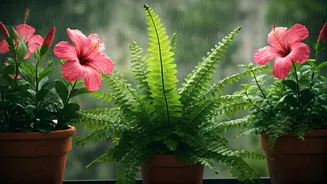
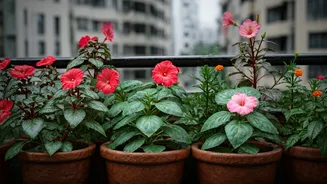
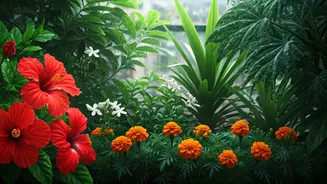
Hibiscus (Gudhal) is a classic monsoon bloomer, producing large, showy flowers in a variety of colours. It thrives in warm, moist climates and responds well to the increased humidity, though it still requires well-drained soil to prevent root issues. Balsam (Gul-Mehandi) is another monsoon favourite, perfect for pots in shaded balconies. This easy-to-care-for plant loves moist conditions and will reward you with continuous blooms throughout the rainy season.
Fragrant Favourites: Jasmine and Mogra
The fragrance of jasmine combined with the smell of rain (petrichor) is a quintessential monsoon experience. Jasmine varieties, including Mogra (Arabian Jasmine), adore the humidity and produce an abundance of fragrant flowers during this season. They prefer well-drained soil and need support like a trellis to climb, making them a beautiful and aromatic addition to balcony railings.
Lush Foliage: Ferns and Money Plant
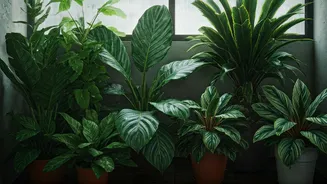
For a lush, green look, you can't go wrong with ferns and money plants (Pothos). Ferns thrive in the moisture-rich, humid conditions of the monsoon, with their delicate fronds adding a refreshing, tropical feel. They are ideal for shaded corners of the balcony. The money plant is incredibly resilient and grows faster during the monsoon due to the high humidity. It can be grown in hanging baskets to create a beautiful cascading effect and is very low-maintenance.
Quick Bloomers: Rain Lily and Periwinkle
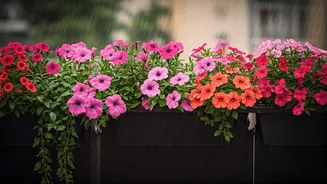
As its name suggests, the Rain Lily (Zephyranthes) is famous for bursting into bloom right after a shower, producing delicate flowers in white, pink, or yellow. These low-maintenance bulbs are perfect for pots and add a magical touch to the garden. Periwinkle (Sadabahar) is another hardy, low-maintenance choice that flowers profusely during the monsoon, adding consistent colour to your balcony with minimal fuss.