

The Real Cause of Bad Breath
Persistent bad breath, or halitosis, isn't normal for dogs or cats. It’s caused by a buildup of harmful bacteria in your pet's mouth. This process starts with plaque, a sticky film of bacteria that forms on teeth after eating. If not removed, this plaque hardens
into tartar, a yellow or brown deposit that irritates the gums. This environment allows odour-producing bacteria to flourish, leading to the unpleasant smell many owners dismiss. By the time you notice consistent bad breath, it often means dental disease is already underway.
From Plaque to Periodontal Disease
What begins as simple plaque can quickly escalate. The accumulation of tartar pushes the gums away from the teeth, creating small pockets. These pockets are perfect breeding grounds for more dangerous bacteria to grow below the gumline. This leads to gingivitis, or inflammation of the gums, which you might notice as redness or swelling. Left untreated, gingivitis progresses to periodontal disease, a serious infection that damages the tissues and bone supporting the teeth, eventually causing pain and tooth loss. An estimated 80% of dogs and 70% of cats show signs of dental disease by the age of three.
How Oral Bacteria Invade the Body
The mouth is a direct gateway to the rest of the body. In a healthy pet, the gums form a strong barrier. But in a pet with periodontal disease, the gums become inflamed, damaged, and may bleed easily. This compromised tissue creates an open door for oral bacteria to enter the bloodstream. This process, known as bacteremia, means bacteria that should be contained in the mouth can now travel to vital organs throughout the body, turning a local dental issue into a systemic threat.
The Threat to the Heart, Kidneys, and Liver
Once in the bloodstream, bacteria can cause significant damage, particularly to the heart, kidneys, and liver. These organs are highly susceptible because their primary job is to filter the blood. Circulating bacteria can attach to heart valves, causing a dangerous infection called endocarditis, which can damage the heart and disrupt blood flow. The kidneys and liver face a constant workload trying to filter out these bacteria, leading to chronic inflammation that can impair their function over time. Studies have shown a clear link between the severity of periodontal disease and the degree of damage found in these vital organs.
Signs to Watch Beyond the Smell
While bad breath is a key indicator, there are other signs of dental distress to watch for. Pay attention to red, swollen, or bleeding gums. You might also notice your pet having difficulty chewing, dropping food, chewing on only one side of their mouth, or showing a new preference for soft food. Other warning signs include excessive drooling, pawing at the mouth, visible yellow-brown tartar, or even behavioural changes like irritability, as oral pain can significantly affect their mood.
How to Protect Your Pet
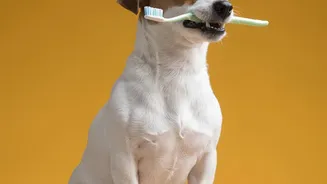
Preventing dental disease is far better than treating it. A comprehensive approach is most effective. This includes regular professional dental cleanings by a veterinarian, which are necessary to remove tartar below the gumline where brushing can't reach. At home, daily tooth brushing is the gold standard for removing plaque before it hardens. If brushing isn't possible, veterinarian-approved dental chews, water additives, and special diets can also help reduce plaque and tartar buildup. Regular vet check-ups are crucial for catching problems early, before they become severe.