

Understanding Polyphenols
Polyphenols are a large group of naturally occurring plant compounds that act as powerful antioxidants. Found in fruits, vegetables, teas, and spices, these compounds help protect plants from environmental stressors like UV rays and insects. When we consume
these plants, we get the benefits too. Polyphenols work in our bodies to neutralize harmful free radicals, which are unstable molecules that can damage cells and contribute to aging and chronic diseases. A diet rich in polyphenols is linked to a reduced risk of conditions like heart disease, diabetes, and certain cancers, making them a crucial component of a healthy diet.
The Cruciferous Champions
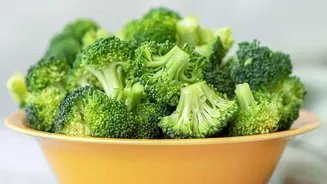
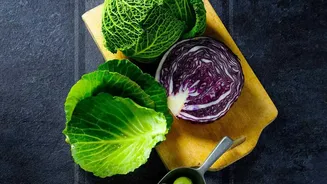
The cruciferous family includes some of the most common and nutrient-dense vegetables on our plates: broccoli, cauliflower, kale, Brussels sprouts, cabbage, and bok choy. These vegetables are celebrated not just for their vitamin and fiber content but for a special class of sulfur-containing compounds called glucosinolates. When the plant's cell walls are broken through chopping or chewing, an enzyme called myrosinase is released, which converts glucosinolates into bioactive compounds like sulforaphane. These compounds are the focus of extensive research for their anti-inflammatory and detoxification-supporting properties.
The Cooking Method Dilemma
The way you prepare these vegetables can dramatically alter their nutritional profile. Boiling is particularly harsh on water-soluble nutrients. Research shows that when vegetables are submerged in boiling water, a significant percentage of their Vitamin C and polyphenols can leach out into the water, which is then typically discarded. One study found that boiling carrots resulted in the complete loss of detectable polyphenols into the cooking water. Frying, while it can sometimes increase certain antioxidant readings due to browning chemistry, often comes at the cost of destroying other delicate compounds. Studies have shown frying can slash glucosinolate content by over 80%.
Why Steaming Reigns Supreme
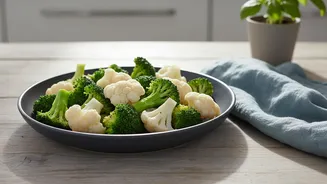
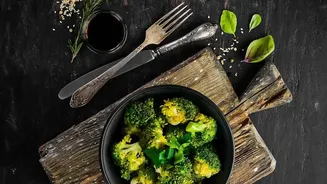
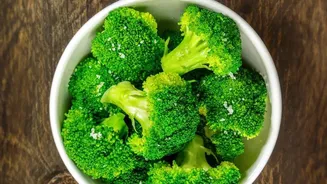
Steaming offers the perfect compromise, cooking the vegetables with gentle, indirect heat without submerging them in water. This method has been shown to be superior for preserving the most valuable and delicate compounds in cruciferous vegetables. Studies have demonstrated that steaming can preserve, and sometimes even increase, the total polyphenol content in broccoli, whereas boiling and frying lead to significant losses. Crucially, steaming is the only cooking method found to preserve the cancer-protective glucosinolates in broccoli, which are heavily degraded by boiling. The heat from steaming is just enough to soften the vegetable's cell walls, which can make some nutrients more available for absorption without washing them away.
The Art of the Brief Steam
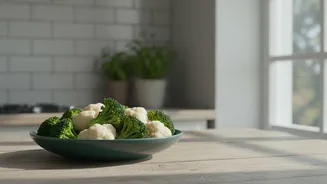
The key is to steam briefly, until the vegetables are crisp-tender but still vibrant in color. Over-steaming will lead to a mushy texture and increased nutrient loss. The goal is a quick sprint, not a marathon. For cruciferous vegetables, this usually means a very short cooking time. Broccoli and cauliflower florets are typically done in 5 to 7 minutes. Brussels sprouts may take a little longer, around 8 to 10 minutes, while chopped kale is often ready in under 10 minutes. Check the vegetables a minute or two before the recommended time; they're done when they can be easily pierced with a fork but still have a slight firmness.
A Simple How-To Guide
You don't need a fancy gadget to steam vegetables effectively. If you have a pot with a tight-fitting lid and a metal colander or steamer basket, you're all set. Simply bring about an inch of water to a boil in the bottom of the pot. Place your chopped vegetables in the steamer basket or colander and set it over the boiling water, ensuring the water level is below the basket so it isn't touching the vegetables. Cover the pot tightly and steam for the recommended time. You'll be rewarded with vegetables that are not only more flavorful and vibrant in color but also packed with the maximum amount of their health-promoting antioxidants.