





Why the Monsoon Messes With Your Gut
The rainy season can be a challenging time for our digestive system. According to health experts, the combination of high humidity and cooler temperatures can slow down our 'Agni' or digestive fire, a concept in Ayurveda. [9] This slowdown means food
moves more slowly through our system, leading to common issues like bloating, gas, and a feeling of heaviness. [7, 9] Furthermore, the damp environment is a breeding ground for bacteria and other microbes, increasing the risk of food and water contamination. [16, 19] This makes our gut more vulnerable to infections, which can disrupt its delicate balance and cause discomfort. [19] Many people find themselves less active during the rains, and this sedentary lifestyle can further contribute to sluggish digestion. [7, 11]
Enter the Plum: A Seasonal Gut Saviour
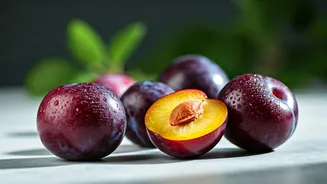
Amid these seasonal challenges, nature provides a simple and delicious solution in the form of plums, known as 'Aloo Bukhara' in India. This fruit, which is in season during the monsoon, is more than just a sweet treat; it's a nutritional powerhouse perfectly suited to tackle rainy-day digestive woes. Plums are low in calories but rich in essential vitamins like A, C, and K, as well as minerals and powerful antioxidants. [5, 6, 14] Their unique combination of fibre, natural sugars, and bioactive compounds makes them an excellent choice for maintaining a healthy and efficient digestive system when it needs the most support.
A Powerhouse of Fibre and Sorbitol
One of the most celebrated benefits of plums is their ability to promote digestive regularity. They are an excellent source of both soluble and insoluble dietary fibre. [3] Insoluble fibre adds bulk to the stool, helping waste move more efficiently through the intestines, which is crucial for preventing constipation. [13] Plums also contain a significant amount of sorbitol, a natural sugar alcohol that acts as a gentle, natural laxative. [1, 13, 15] Sorbitol draws water into the large intestine, which helps soften stool and makes it easier to pass. [17, 18] This dual action of fibre and sorbitol makes plums highly effective in combating the sluggishness and irregularity that can plague the digestive system during the monsoon. [4]
Rich in Gut-Friendly Antioxidants
Chronic inflammation in the gut can lead to discomfort and more serious health issues. Plums are packed with antioxidants, particularly polyphenols like anthocyanins, which give the darker varieties their deep colour. [2, 10, 14] These compounds are known for their anti-inflammatory properties. [6, 10] By fighting oxidative stress, these antioxidants help protect the cells lining your digestive tract from damage caused by free radicals. [10] Studies suggest that regular consumption of plums can help reduce inflammatory markers in the body, contributing to a healthier and less irritated gut environment. [24, 25] This protective effect is especially valuable during the monsoon when the gut is under increased stress.
A Prebiotic Boost for Healthy Bacteria
A healthy gut is home to trillions of beneficial bacteria, collectively known as the gut microbiome. These microbes play a vital role in digestion, immunity, and even mood. The soluble fibre in plums acts as a prebiotic, which means it serves as food for these good gut bacteria. [2, 17] By nourishing beneficial bacteria species like Bifidobacteria and Lactobacilli, plums help maintain a healthy balance in your gut microbiome. [21, 23] Some research indicates that the compounds in plums can positively influence the composition of gut microbiota, which is essential for overall wellness. [17, 20]
How to Enjoy Plums This Monsoon
Incorporating plums into your diet is easy. The simplest way is to eat them fresh as a snack, ensuring they are washed thoroughly. You can also slice them into salads, add them to your morning yogurt or oatmeal, or blend them into a smoothie. For a traditional touch, a sweet and tangy plum chutney can be a great accompaniment to meals. While plums are incredibly beneficial, moderation is key. Due to their sorbitol content and laxative effect, eating too many at once might lead to bloating or diarrhea in some individuals. [6, 13] Start with one or two a day to see how your body responds and enjoy this seasonal fruit's gut-boosting benefits.