


Join the Young Scientist Programme (YUVIKA)
One of ISRO's flagship initiatives is the 'YUva VIgyani KAryakram', or YUVIKA, also known as the Young Scientist Programme. This is a special two-week residential programme designed to impart basic knowledge on space technology, science, and applications
to school children. It specifically targets students who have completed Class 9, an age when scientific curiosity is often at its peak. The programme's goal is to "catch them young" and encourage more students to pursue careers in Science, Technology, Engineering, and Mathematics (STEM). Selected students get to visit ISRO's state-of-the-art facilities, listen to lectures from eminent scientists, participate in hands-on activities like model rocketry and satellite-building workshops, and interact directly with space experts. The selection is merit-based, considering academic performance, and also gives weightage to participation in science fairs, Olympiads, and even representation from rural areas to ensure broad access.
Explore Free Online Courses and Digital Portals
For those who want to learn at their own pace, ISRO offers a wealth of digital resources. The Indian Institute of Remote Sensing (IIRS) a key ISRO centre, regularly conducts free online courses on topics like remote sensing, geospatial technologies, and Geographical Information Systems (GIS). These courses are open to students and professionals and often come with a certificate upon successful completion. Furthermore, ISRO has launched the Jigyasa digital portal, an e-learning platform dedicated to space science and technology. This portal includes certified courses, interactive video sessions with scientists, educational videos, mission summaries, a virtual museum, and even a space quiz to test your knowledge. These resources are designed to be accessible and provide a structured way for students to learn about Earth observation, satellite communication, and other fascinating subjects from home.
Participate in the Student Satellite Programme
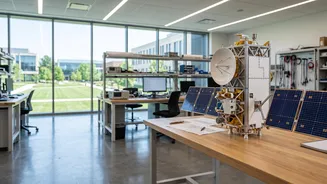
For college and university students, ISRO offers a more advanced and hands-on opportunity: the Student Satellite Programme. This initiative encourages students in higher education to design, develop, and fabricate small satellites. ISRO provides guidance, technical support, and the resources needed to help academic institutions build and test these satellites. The goal is to build capacity and prepare the next generation of space scientists, technologists, and vendors who can contribute to India's space ecosystem. Several student-built satellites have already been launched with ISRO's help, giving participants invaluable, real-world mission experience from the ground up. It’s a challenging but incredibly rewarding path for those serious about a career in space technology.
Attend Workshops and Competitions
Throughout the year, ISRO and its associated bodies conduct various competitions and awareness programmes. The Space science and Technology AwaReness Training (START) programme is an online introductory-level course for undergraduate and postgraduate students. ISRO also plays a role in events like the National Model Rocketry Competition, where student teams design and launch model rockets with small payloads. During events like World Space Week in October, ISRO centres often organise special outreach activities, exhibitions, and talks. These events provide a platform for students to engage with space science in a competitive and collaborative environment, applying their knowledge to practical challenges.
Visit an ISRO Centre or Space Museum
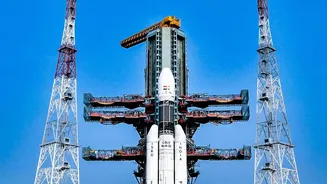
Seeing the hardware of space exploration up close can be a powerful experience. Several ISRO centres across the country have space museums and exhibition halls open to student groups and, on specific days, the general public. Centres like the Vikram Sarabhai Space Centre (VSSC) in Thiruvananthapuram and the U R Rao Satellite Centre (URSC) in Bengaluru have dedicated visitor areas. The Satish Dhawan Space Centre (SDSC) in Sriharikota even has a Launch View Gallery that is opened to the public on launch days, allowing people to witness a rocket launch live. Visits for school and college groups typically require prior permission, which can be obtained by writing a formal request from the institution to the respective centre's Public Relations Officer. These visits offer a chance to see life-sized models of rockets and satellites and learn about the history of India's space journey.