


The dream of having delicious, home-cooked meals ready after a long day is universal. But the reality of a seven-day meal prep session can feel daunting. A more sustainable, flexible approach is twice-weekly batch cooking.
What Is Twice-Weekly Batch Cooking?
Instead of a marathon cooking
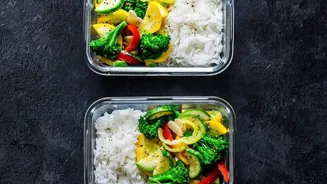
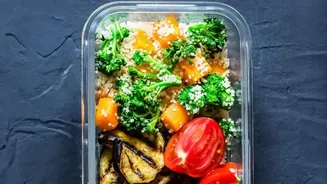
session on Sunday to prepare every meal for the week, this method splits the work into two manageable blocks. Typically, this involves a larger prep session on a weekend and a smaller, quicker one mid-week. This isn't about making seven identical containers of chicken and broccoli. It's about cooking components—like grains, proteins, and chopped vegetables—that can be mixed and matched. The goal is flexibility and freshness, allowing you to assemble different meals without starting from scratch every night.
The Key Benefits: Freshness and Flexibility
The most significant advantage of a two-session approach is food quality. Ingredients prepared on Sunday are still fresh by Wednesday, but meals eaten on Friday might not be at their best. A mid-week refresh ensures the latter half of your week's meals are just as appealing as the first. This method also combats 'decision fatigue'. Knowing you have ready-to-go components reduces the temptation to order expensive takeaways. Furthermore, it helps reduce food waste by encouraging you to plan around ingredients you already have and use them efficiently. You can strategically plan to use delicate produce and seafood earlier in the week, while heartier ingredients can wait.
Your First Prep Session: The Weekend Foundation
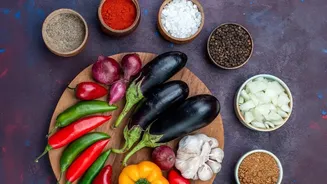
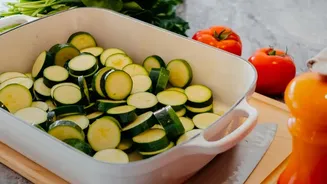
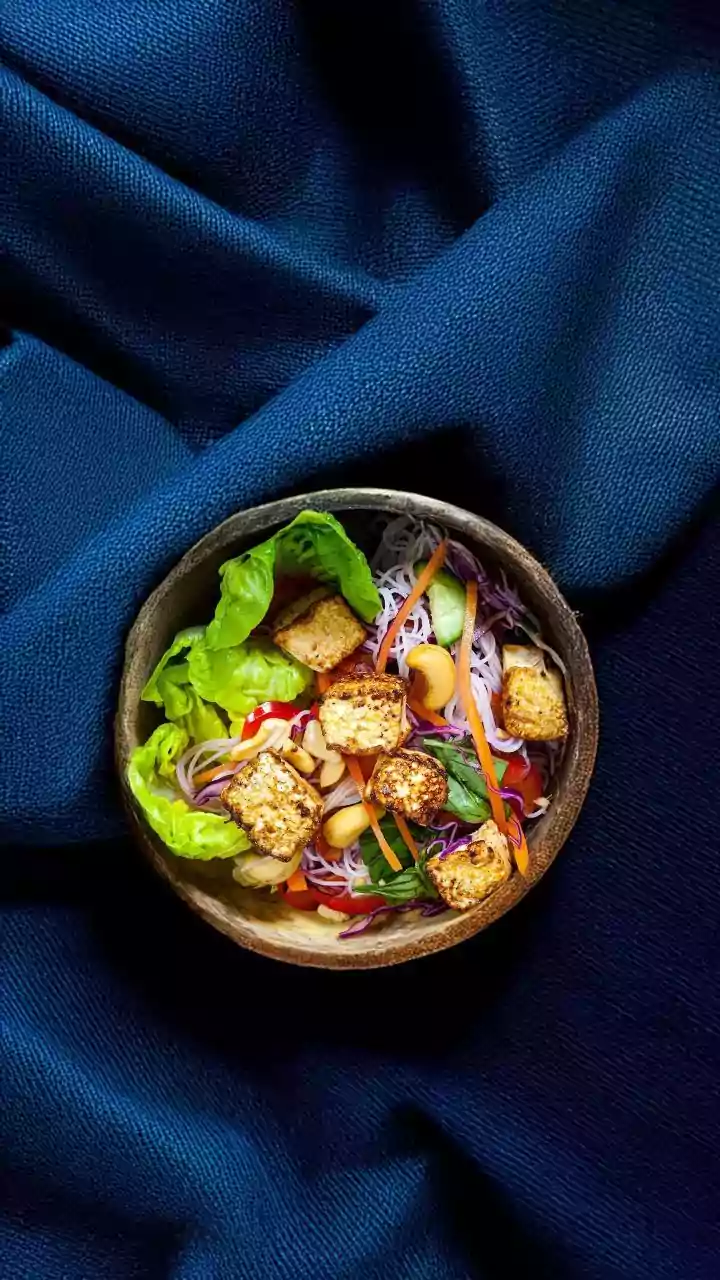
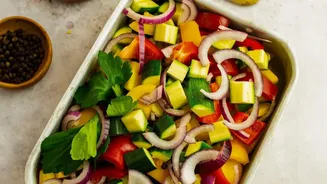
Dedicate two to three hours on a Sunday or your chosen day off. This is your main session for cooking items that take longer but hold up well. Focus on preparing versatile building blocks. A good plan might include cooking a large batch of a grain like quinoa or rice, roasting a big tray of hardy vegetables such as sweet potatoes and bell peppers, and cooking one or two proteins. For example, you could roast a whole chicken and bake some tofu. You can also prepare a versatile sauce, like a tomato-based ragu or a chimichurri, which can transform simple components into excitingly different meals.
The Mid_Week Refresh: A Quick Top_Up
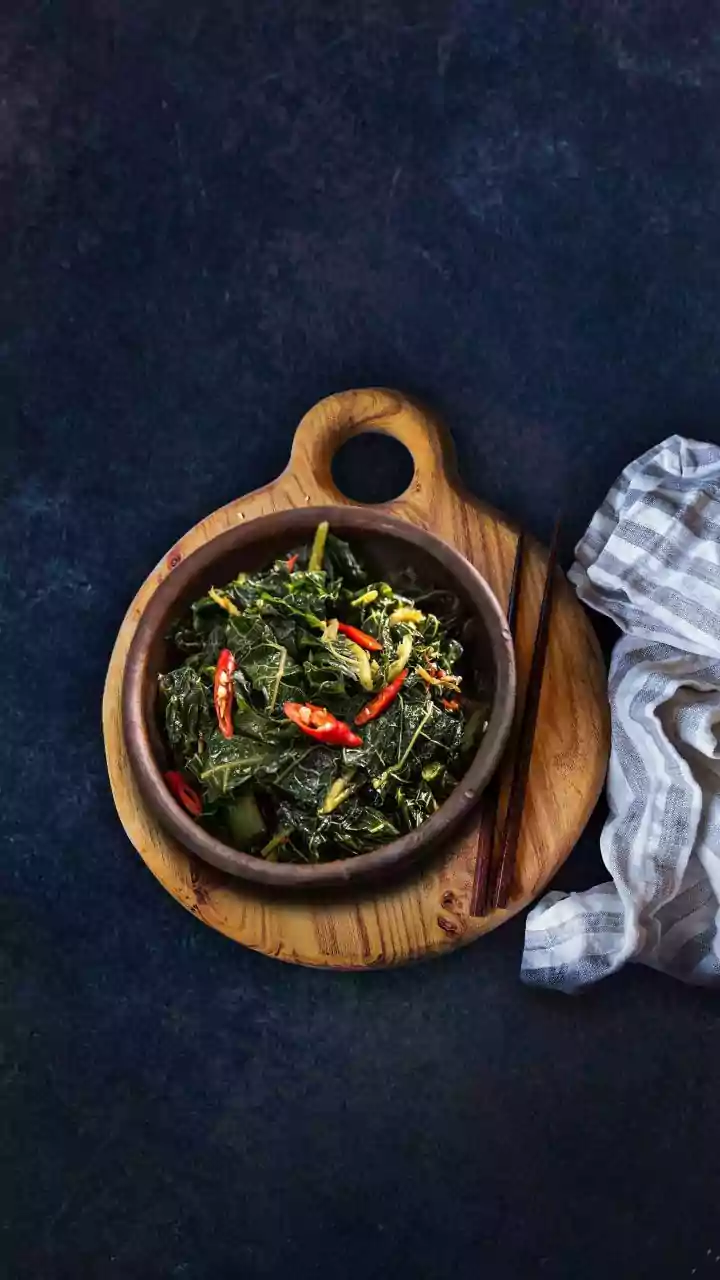
Your second session, perhaps on a Wednesday evening, should be much quicker—around 30 to 60 minutes. This is your chance to prep quick_cooking or more delicate items for the next couple of days. You could quickly sauté some spinach or mushrooms, boil some eggs for snacks or salads, or grill a piece of fish. You might also use this time to assemble a couple of meals, like layering a lasagna or making a soup from the bone broth you prepared on the weekend. This quick refresh keeps your options interesting and your food tasting its best.
Making the Habit Stick: Tips for Success
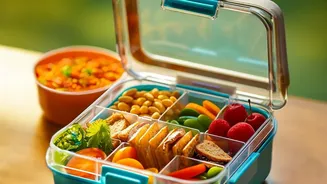
To make twice_weekly batch cooking a lasting habit, start small. Don't try to prep every single meal in your first week. Maybe begin by preparing components for just three or four dinners. Invest in good quality storage containers to keep food fresh and organised. Label everything with the contents and the date to avoid mystery meals in your fridge or freezer. And remember to plan your meals around your actual life. On busy days, plan for the quickest meals to assemble. By making the process fit your schedule, you are more likely to find it a sustainable and rewarding part of your weekly routine.