





The Core Difference: Purity and Durability
The fundamental difference between 22K and 24K gold lies in their purity. The term 'Karat' is a unit that measures the purity of gold on a 24-point scale. 24K gold is the purest form you can buy, containing 99.9% gold. It’s known for its brilliant, rich
yellow colour, but it is also very soft and malleable, making it prone to scratches and bending. On the other hand, 22K gold consists of 22 parts gold and 2 parts other metals like copper, silver, or zinc. This means it has a purity of 91.67%, which is why it's often referred to as '916 gold'. The addition of these alloys makes 22K gold significantly harder and more durable, which is essential for crafting jewellery meant for regular wear.
When to Choose 24K Gold
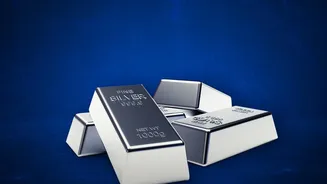
Given its softness, 24K gold is not practical for crafting intricate or everyday jewellery. Instead, it is the undisputed choice for investment purposes. If your primary goal is to buy gold as a long-term asset, for portfolio diversification, or as a hedge against economic uncertainty, 24K is the ideal option. It is typically sold in the form of coins and bars. Because of its near-100% purity, it holds the highest intrinsic value and is easily liquidated in global markets. When you buy 24K gold, you are paying almost exclusively for the value of the gold itself, with minimal other costs involved apart from the initial purchase price.
Why 22K Gold Dominates Jewellery
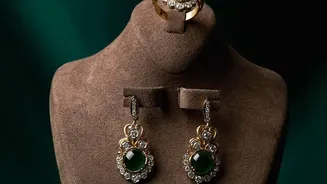
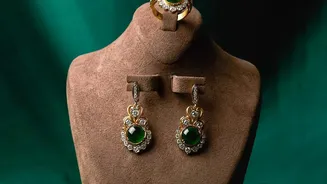
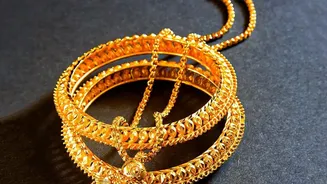
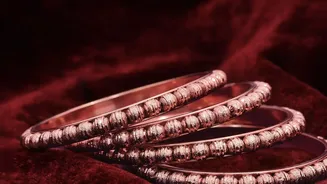
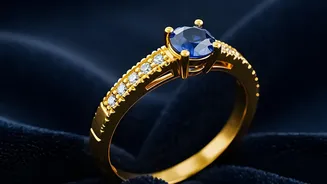
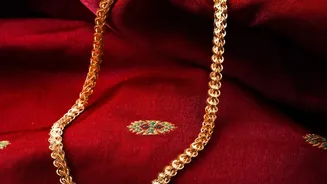
For necklaces, bangles, rings, and earrings, 22K gold is the standard in India. Its superior durability means it can withstand the rigours of daily life without easily getting damaged. The alloyed metals provide the necessary strength for craftsmen to create detailed and elaborate designs, as well as securely set any precious stones. While 24K gold offers maximum purity, it's simply too delicate for most ornamental uses. Therefore, if you are purchasing gold for adornment, weddings, or festivals, 22K offers the best balance of high gold content and practical strength.
Looking Beyond Price Per Gram: Making Charges
A common mistake buyers make is comparing only the daily rate for 22K and 24K gold. The final price of jewellery is significantly affected by 'making charges'. These charges cover the labour and craftsmanship required to transform raw gold into a finished ornament and can range from 5% to over 25% of the gold's value. Jewellers calculate these charges in two main ways: as a percentage of the gold's value or as a flat rate per gram of gold. Intricate, handcrafted designs will naturally have higher making charges than simpler, machine-made pieces. It's crucial to ask the jeweller to break down the cost, showing the gold value and the making charges separately on the bill.
The Hallmark of Trust: BIS and HUID
To ensure you are getting the purity you paid for, always buy hallmarked gold. In India, the Bureau of Indian Standards (BIS) is the agency responsible for certifying the purity of gold. Since 2021, it has become mandatory for jewellers to sell hallmarked jewellery featuring a 6-digit alphanumeric Hallmark Unique Identification (HUID) number. This number, along with the BIS logo and the purity grade (e.g., 22K916), is lasered onto the item. You can instantly verify the authenticity of your purchase by entering the HUID number into the 'Verify HUID' feature on the BIS CARE mobile app. This system provides transparency and protects consumers from being sold lower-purity gold.
Resale Value: The Investment Angle
Your choice between 22K and 24K also impacts the resale value. When you sell 24K gold coins or bars, you typically receive a price very close to the market rate for pure gold. However, when selling 22K jewellery, the buyer will only pay for the value of the 91.67% pure gold content. The 8.33% of alloy metals is considered an impurity and its value is deducted. Furthermore, the making charges you paid at the time of purchase are almost never refunded upon resale. This is a critical factor to remember: 24K gold is a more efficient investment for liquidation, while 22K jewellery's value is primarily in its use and craftsmanship, with its material value being secondary.