



Your Body's Master Clock
Everyone operates on an internal 24-hour clock known as the circadian rhythm. This rhythm governs nearly everything, from hormone release and body temperature to when you feel alert or sleepy. The most powerful signal for this internal clock is light.
When your eyes detect bright, natural light in the morning, your brain gets a clear message: it's time to be awake. Conversely, as darkness falls, your brain produces a hormone called melatonin, which signals that it's time to sleep. Shift work turns this entire system upside down. By working through the night and trying to sleep during the day, you're in a constant battle with your body's natural programming, which is wired to associate daylight with wakefulness and darkness with rest.
The Problem with Evening Light
The core issue for shift workers is that after a night shift, you're returning home to a world that is bright and sunny. But even before you attempt to sleep, the light you're exposed to in the evening and during your shift matters immensely. Modern life is filled with artificial light, especially short-wavelength blue light emitted by screens, LED bulbs, and fluorescent lights. Research shows that exposure to this type of light in the evening hours is particularly effective at suppressing melatonin production. Even dim light can have an effect. Your brain interprets this artificial brightness as daylight, delaying the onset of sleepiness and making it harder to wind down. For a shift worker who needs to sleep soon after their shift ends, this constant light exposure essentially tricks the body into staying in 'day mode', preventing the deep, restorative sleep you need.
Actionable Steps for Better Sleep
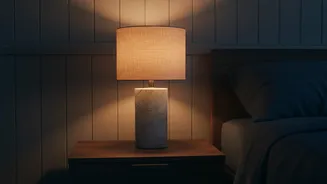
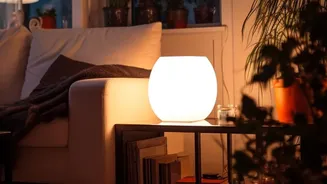
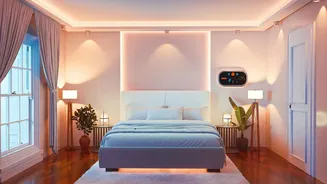
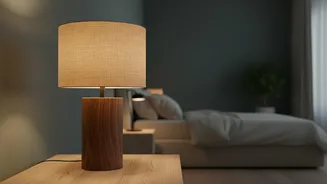
Regaining control over your sleep cycle is possible by strategically managing your light environment. The goal is to simulate 'evening' and 'night' for your brain, even when your schedule is reversed. As you finish your night shift, wear dark, wrap-around sunglasses for the commute home to block out the morning sun. Once home, immediately create a dim environment. The hours before you plan to sleep are your new 'evening'. Swap out bright, cool-toned light bulbs in your living areas and bedroom for warm-toned ones with a yellow or amber hue. Red light is the least disruptive to melatonin, making it an excellent choice for a night light. Most importantly, implement a 'digital sunset' by avoiding bright screens like phones, tablets, and televisions for at least an hour or two before you get into bed. If you must use a device, enable its 'night mode' or 'blue light filter' to reduce the most disruptive wavelengths.
Creating the Perfect Sleep Sanctuary
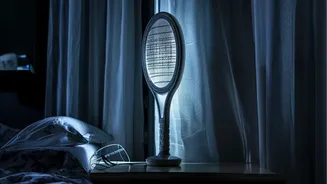
Your bedroom should be a cave—absolutely dark, quiet, and cool. Since you'll be sleeping during the day, this requires some extra effort. Invest in blackout curtains or shades that completely block outside light. Even small slivers of daylight can disrupt sleep. Cover or unplug any electronics with indicator lights. An eye mask can be a simple and highly effective tool for ensuring total darkness. Noise can also be a major issue during the daytime. Consider using a white noise machine, a fan, or earplugs to drown out household sounds and traffic. By creating a sleep environment that is as close to a natural nighttime setting as possible, you give your body the strongest possible cues that it is time for deep, uninterrupted rest. Maintaining a consistent sleep-wake schedule, even on your days off, will further reinforce this new rhythm.