






The Return of an Ancient Practice
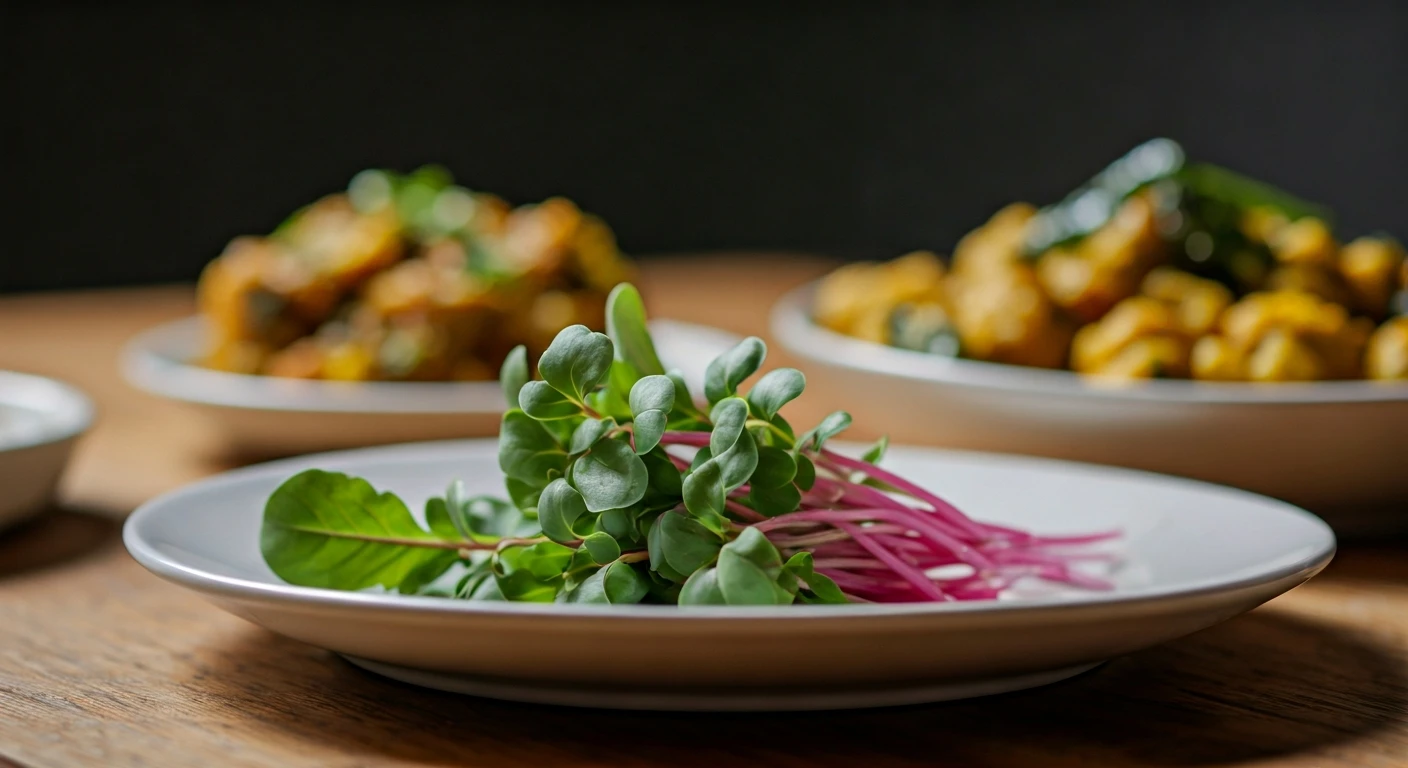
The trend isn't a new powder from a faraway land; it's the humble, age-old practice of sprouting. Known to our grandparents as 'ankurit anaj', sprouting is the process of germinating seeds, legumes, and grains to be eaten raw or lightly cooked. For years,
we’ve been tempted by packaged quinoa, chia seeds, and avocadoes, often paying a premium for their benefits. But sprouting is making a powerful comeback, reminding us that some of the best nutritional wisdom is timeless and, most importantly, incredibly affordable. It’s less of a fleeting trend and more of a rediscovery of a smart, sustainable way to eat.
The Science Behind the Magic
So, what happens when a tiny moong bean or chana begins to sprout? It undergoes a remarkable transformation. The process of germination breaks down anti-nutrients like phytic acid, which can inhibit the absorption of vitamins and minerals. At the same time, it dramatically increases the bioavailability of key nutrients. The vitamin content, particularly Vitamin C and B vitamins, can multiply several times over. Proteins become easier to digest as they are broken down into simpler amino acids. In essence, sprouting unlocks the full nutritional potential of the food, turning a simple lentil into a powerhouse of enzymes, antioxidants, and easily absorbable nutrients.
A Step-by-Step Guide to Sprouting
The beauty of sprouting is its simplicity. You don't need fancy equipment, just a bowl, a clean cloth, and a bit of patience. Here’s how to do it: 1. **Soak:** Take a handful of whole legumes like moong, moth (matki), or kala chana. Wash them thoroughly and soak them in ample water for 8-12 hours, or overnight. 2. **Drain:** The next morning, drain the water completely. Rinse the soaked legumes one more time under fresh water. 3. **Sprout:** Transfer the drained legumes to a cheesecloth or muslin cloth (malmal). Tie it into a loose bundle and hang it in a warm corner of your kitchen, away from direct sunlight. Alternatively, you can place them in a sprout maker or a colander covered with a plate. 4. **Wait:** Depending on the temperature, you should see tiny white sprouts emerge within 24 to 36 hours. You can rinse them once every 12 hours to keep them moist and clean. Once they reach your desired length, they are ready to eat.
How to Enjoy Your Sprouts
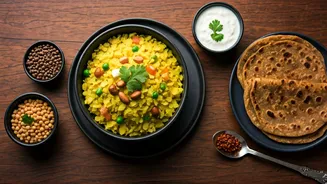
Now that you have a fresh batch of live, nutrient-dense food, how do you eat it? The options are endless and easily adaptable to the Indian palate. The simplest way is to eat them raw in a salad, tossed with chopped onions, tomatoes, coriander, a squeeze of lemon juice, and a pinch of chaat masala for a delicious and crunchy snack. For those who find raw sprouts hard to digest, a light stir-fry or steaming for a couple of minutes is a great option. You can add them to poha, upma, or mix them into your sabzi during the last few minutes of cooking to retain most of their crunch and nutritional value. They also make a fantastic, protein-rich addition to bhel puri or homemade chaat.
A Note on Safety and Cost
While sprouting is simple, it requires hygiene. The warm, moist conditions ideal for sprouting are also ideal for bacterial growth. Always use clean utensils, wash your hands and the legumes thoroughly, and consume your sprouts within a day or two. If they smell off or look slimy, discard them. When it comes to cost, the comparison is staggering. A kilogram of whole moong dal costs a fraction of what you’d pay for a small, 250-gram packet of imported seeds or grains. By investing a few rupees and a little time, you are creating food that is fresher and often more nutritionally potent than anything you can buy in a fancy package.