






What is Sumac?
Before you start sprinkling, it helps to know what you’re working with. Sumac is a coarse powder made from the dried berries of the Rhus coriaria shrub, which is native to the Middle East and Mediterranean. Its vibrant, deep red colour is as distinctive
as its flavour. The taste is often described as tangy, lemony, and bright, but with a more balanced and less sharp acidity than actual lemon juice. Think of it as a dry, fruity tartness with subtle earthy undertones, capable of waking up the flavours in any dish it touches. It adds acidity without adding moisture, making it uniquely versatile.
The Easiest Way: A Finishing Touch
The simplest way to start using sumac is as a finishing spice. Just like a sprinkle of salt or a twist of black pepper, a dash of sumac just before serving can instantly brighten a dish. Try it on avocado toast, fried eggs, or a simple bowl of hummus. This method allows its zesty flavour to remain front and centre. It’s particularly effective on creamy textures, where the acidity cuts through the richness. Stir it into plain yoghurt or labneh with a drizzle of olive oil for a quick, tangy dip or sauce for fresh vegetable sticks.
Upgrade Your Salads
Sumac is a natural star in salads. It's a key ingredient in the classic Middle Eastern fattoush salad for a reason. You can create a simple but powerful vinaigrette by whisking sumac with olive oil, a touch of red wine vinegar or lemon juice, and a little salt. This dressing works beautifully on everything from leafy greens to hearty grain bowls. For a quick vegetable salad, toss chopped tomatoes, cucumbers, and thinly sliced red onions with a generous pinch of sumac and good-quality olive oil. The spice enhances the vegetables' natural sweetness while adding its signature bright notes.
Transform Roasted Vegetables
Roasting brings out the sweetness in vegetables, and sumac provides the perfect counterpoint. It pairs exceptionally well with root vegetables like carrots, sweet potatoes, and parsnips, as well as cauliflower, eggplant, and zucchini. The method is simple: toss your chopped vegetables in olive oil, salt, pepper, and a generous teaspoon or two of sumac before placing them in the oven. As the vegetables roast, the sumac imparts a tangy crust that balances their caramelised sweetness. You can also add another light dusting after they come out of the oven for an extra pop of flavour.
In Marinades and Rubs
While often used as a finisher, sumac is also an excellent component in marinades, especially for vegetarian ingredients that are heading to the grill. For firm tofu or halloumi, a marinade of olive oil, garlic, sumac, and herbs like oregano or mint infuses the food with a complex, tangy flavour before it even hits the heat. Unlike citrus juice, sumac won't 'cook' the food, so it's great for longer marinating times. This makes it a reliable way to build a deep, savoury, and zesty flavour base for your grilled and pan-fried vegetable dishes.
Stir into Soups and Pastas
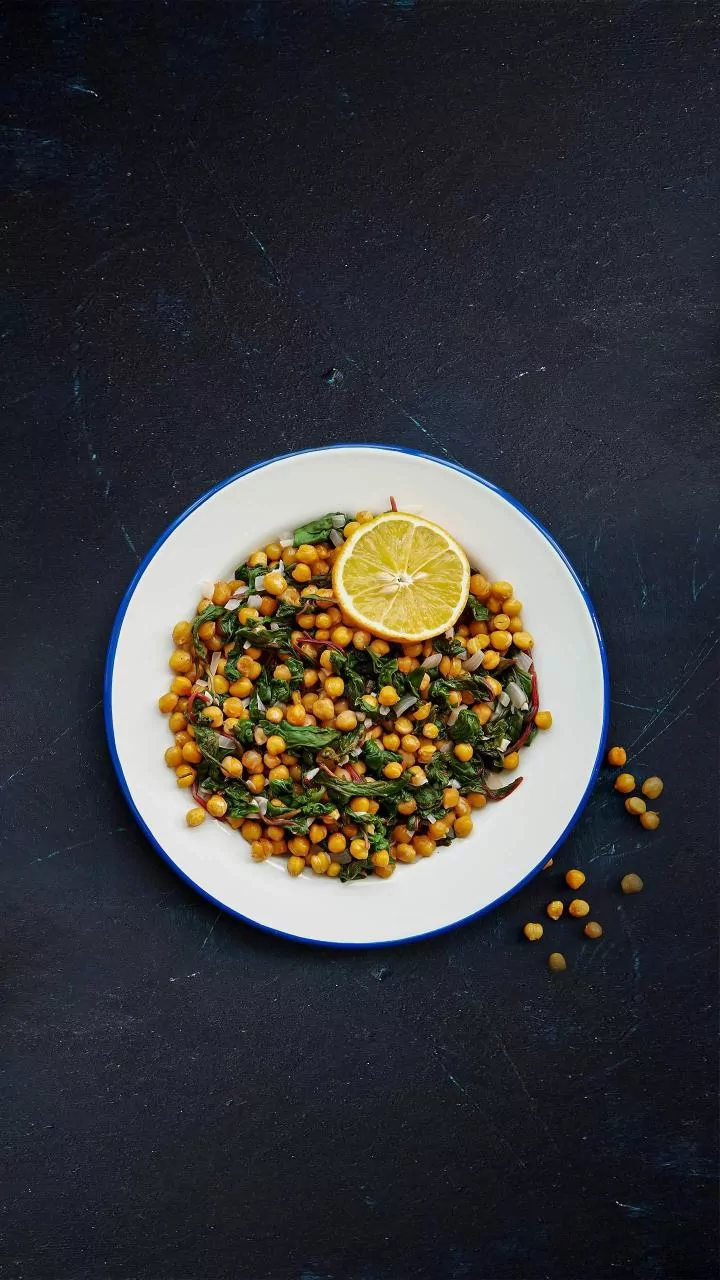
For a less conventional but equally delicious application, try stirring sumac into sauces and soups. In a creamy pasta sauce, like one made with tahini or a vegan ricotta, sumac can cut through the richness and add a surprising brightness. When added near the end of cooking to a lentil soup or a chickpea stew, it provides a final, uplifting note of acidity that can bring all the flavours into focus. Start with a small amount and taste as you go; a little often goes a long way in liquid-based dishes.