






Essential Pre-Trip Vehicle Checks
Before you even think about playlists and snacks, your car needs a thorough inspection. Tyres are your single most important safety component on wet roads. Ensure they have adequate tread depth—at least 3mm is recommended for monsoon safety, well above
the legal minimum of 1.6mm. Also check for any cuts or bulges and maintain the manufacturer-recommended tyre pressure. Next, inspect your wiper blades; if they leave streaks or make noise, replace them. It's a small cost for clear visibility. Your braking system will work harder in the rain, so get the pads and fluid levels checked. Finally, walk around your car and test every single light: headlights (low and high beam), tail lights, brake lights, and indicators. In heavy rain, being visible is as important as seeing what's ahead.
Smart Route and Weather Planning
Spontaneity is great, but not when it comes to monsoon routes. Hilly and mountainous regions in states like Himachal Pradesh, Uttarakhand, and parts of the Western Ghats are prone to landslides and rockfalls. Before you leave, check the latest weather forecasts from the India Meteorological Department (IMD). Their bulletins often warn of heavy rainfall, which can lead to localised flooding and travel disruptions. Use real-time traffic apps, but also consult official sources like state police or disaster management websites for road closures. It is always wise to have a backup route planned and to share your itinerary with family or friends. Avoid driving at night, as visibility is significantly reduced and it's harder to spot potholes or debris on the road.
The Monsoon Emergency Kit
Your standard car emergency kit needs a few monsoon-specific upgrades. Pack a sturdy tow rope, as getting stuck in mud or a waterlogged patch is a real possibility. A powerful flashlight with extra batteries is non-negotiable. Your first-aid kit should be well-stocked with basics like antiseptic, bandages, and any personal medications. Add a power bank to ensure your phone stays charged, as it’s your primary communication and navigation tool. Keep a stash of dry snacks and sufficient drinking water. It's also a good idea to pack a change of clothes and a towel in a waterproof bag, keeping them accessible inside the cabin, not buried in the boot.
On-the-Road Best Practices
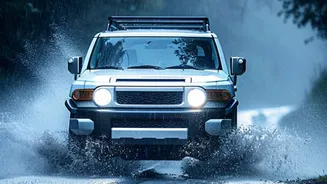
Once you're on your way, adjust your driving style. Reduce your speed by at least 20-30% on wet roads to account for longer braking distances. Double the standard following distance from the car ahead to give yourself more reaction time. If you encounter a waterlogged street, exercise extreme caution. If you can't see the road surface or the water appears deeper than the bottom of your car doors, do not attempt to drive through it. Doing so risks severe engine damage, known as hydrostatic lock, if water enters the air intake. If you feel the car hydroplaning (gliding on a layer of water), do not brake hard or swerve. Instead, ease off the accelerator gently and keep the steering wheel straight until you feel the tyres regain traction.
Interior and Post-Trip Care
Keeping the interior of your car dry is crucial to prevent mould, foul smells, and electrical issues. Using '3D' or bucket-style floor mats can trap water and mud from your shoes, protecting the car's carpet. Check that the rubber seals around your doors and sunroof are intact to prevent leaks. Running the air conditioner can help defog the inside of your windshield quickly by removing humidity from the cabin air. After your trip, give your car a thorough wash, paying special attention to the underbody to remove caked-on mud and grime, which can trap moisture and lead to rust. A clean car post-trip isn't just about aesthetics; it's about preserving its condition for your next adventure.