






A Comfort in Chaos
One of the biggest drivers of this trend is a simple human need: comfort. For millennials and Gen Z, who navigate a world of digital overload, economic uncertainty, and constant change, the past represents a perceived 'simpler time'. Psychologically,
nostalgia acts as a powerful coping mechanism, providing a sense of stability when the present feels shaky. Revisiting cherished memories, whether through a show or a song, triggers the brain's reward system, boosting mood and creating feelings of security and happiness. Shows like 'Shararat', 'Hip Hip Hurray', and 'Sarabhai vs Sarabhai' offered light-hearted plots and a certain innocence, providing a stark contrast to the often complex and gritty dramas of today. This isn't just about escaping the present; it's about drawing on the positive emotions of the past to feel more grounded.
The Streaming Time Machine
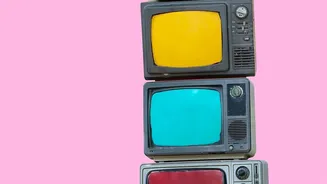
This nostalgic wave wouldn't be possible without the technology that enables it. The rise of OTT platforms like Netflix, Disney+ Hotstar, and ZEE5 has been instrumental. These services have made vast libraries of classic Indian television readily available, turning them into digital time capsules. Where audiences once had to wait for reruns, they can now binge-watch entire seasons of shows like 'Dekh Bhai Dekh' or 'Kasautii Zindagii Kay' on demand. Social media acts as a powerful amplifier. Fan edits, nostalgia-filled reels, and trending discussions on platforms like Instagram and Reddit bring decades-old shows back into the mainstream conversation, introducing them to new, younger audiences. This digital ecosystem ensures that these cultural touchstones aren't just remembered; they are actively relived, remixed, and shared.
Brands Mine for Golden Memories
The business world has taken notice, leading to a boom in 'nostalgia marketing'. Brands are tapping into this collective longing to forge emotional connections with consumers, particularly millennials and Gen Z who now hold significant purchasing power. We see this in the revival of classic ad jingles, like Tata Salt's iconic tune, or the return of beloved beverages like Campa Cola. Characters from the hit show 'C.I.D.' have been seen in modern ads, and Shah Rukh Khan has reprised old film roles for commercials. By linking their products to these warm, familiar memories, brands aren't just selling an item; they are selling a feeling of authenticity and trust. Companies like Paper Boat have built their entire identity around evoking the tastes and memories of an Indian childhood. This strategy is effective because it moves beyond simple advertising to tap into a deep-seated human emotion.
A Shared Cultural Language
For many, this trend is also about connection and identity. In a media landscape fragmented into countless niches, these classic shows offer a rare piece of common ground. They form a shared cultural language that can bridge generational gaps, allowing parents to share the shows of their youth with their children. For Gen Z, who may not have even lived through the 90s, these shows offer a glimpse into the world that shaped their parents and older siblings. This 'historical nostalgia' helps them connect to a cultural past they perceive as more authentic and less curated than today's social media-driven world. It’s a search for a 'monoculture' in an era of endless choice, a desire to be part of a larger, shared story. This longing for a collective experience is a powerful force, turning old TV shows into vital tools for connection in the 21st century.