




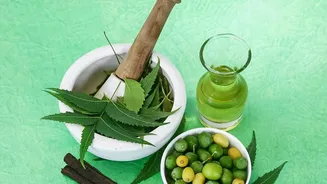


The Power of Neem Oil
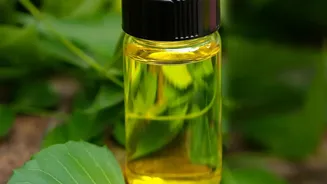
For generations, Indian gardeners have turned to neem oil as a trusted ally. Derived from the seeds of the neem tree, this potent oil is a cornerstone of organic pest control. Its power lies in a compound called Azadirachtin, which works in several ways.
It acts as a repellent, an appetite suppressant, and a growth inhibitor for hundreds of types of pests, including common balcony garden invaders like aphids, spider mites, mealybugs, and whiteflies. When insects ingest it, it disrupts their life cycle, preventing them from feeding and maturing, eventually leading to their decline. Unlike harsh chemical pesticides, neem oil is biodegradable and a go-to for those wanting to keep their edible and ornamental plants safe.
How to Prepare Neem Oil Spray
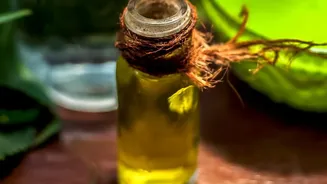
Creating your own neem oil spray is simple and cost-effective. The key is proper emulsification, as oil and water do not mix on their own. For a standard solution, you will need cold-pressed neem oil, a mild liquid soap (like castile soap or a basic, fragrance-free dish soap), and a spray bottle. A common and effective ratio is one teaspoon (about 5ml) of neem oil and half a teaspoon of mild liquid soap per litre of warm water. First, mix the soap with the warm water. Then, slowly add the neem oil while stirring continuously to ensure it disperses evenly. Pour the mixture into your spray bottle and shake it well before and during application to keep the solution mixed. Always use the spray within eight hours, as the active compounds in neem begin to break down once mixed with water.
Simple, Effective Soapy Water
An even simpler solution, often using ingredients already in your kitchen, is a basic soapy water spray. This method is particularly effective against soft-bodied insects like aphids, mealybugs, and spider mites. The soap works by dissolving the protective outer layer of these pests, causing them to dehydrate and perish. It is a contact-based solution, meaning it must physically coat the insects to work. One of the biggest advantages is its safety for beneficial insects with harder bodies, such as ladybugs and bees, which are often left unharmed.
Mixing the Perfect Soap Solution
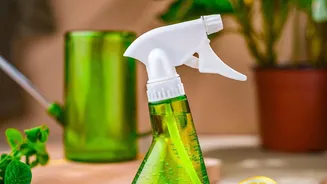
To create a safe and effective soapy spray, the choice of soap is critical. Avoid using harsh detergents, degreasers, or any soap with added fragrances and moisturizers, as these can harm your plants. A pure, mild liquid soap is best. A good starting ratio is one to two tablespoons of mild soap per gallon (about 3.75 litres) of water. If you're making a smaller batch, this translates to about one to two teaspoons per litre. Dissolve the soap in the water and pour it into a spray bottle. It's a gentle but powerful tool that can be mixed in seconds whenever you spot the first signs of an infestation.
Best Practices for Application
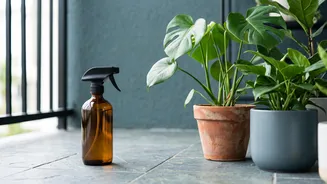
To maximize effectiveness and minimize risk to your plants, timing and technique are crucial. Always test any new spray on a small, inconspicuous part of the plant first and wait 24-48 hours to check for signs of leaf burn or damage. Apply these sprays in the early morning or, even better, in the evening. Spraying in the middle of the day when the sun is intense can cause the leaves to scorch. Be thorough in your application; pests love to hide on the undersides of leaves and in the joints between stems and leaves, so ensure you coat all surfaces of the plant until they are dripping. For an active infestation, you may need to reapply every 5-7 days. For preventative care, a spray every couple of weeks can be sufficient.