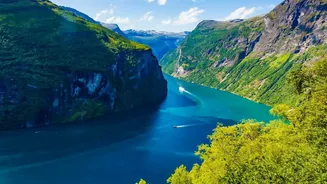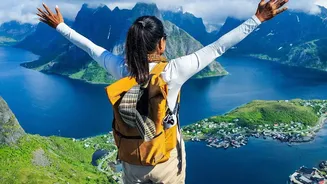


The colossal fjords of Europe, carved by ancient glaciers, offer some of the most dramatic landscapes on Earth. But to truly understand these natural wonders, you need to see them through the eyes of someone who calls their shores home.
Beyond the Postcard View
Europe's fjords,
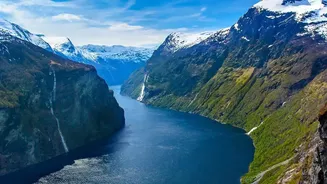
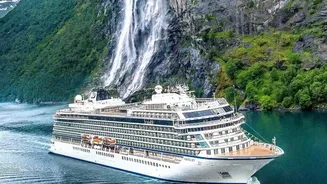
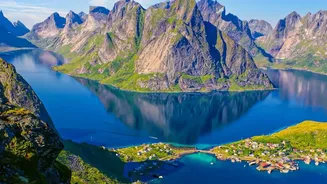
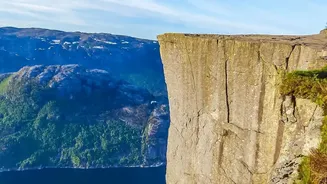
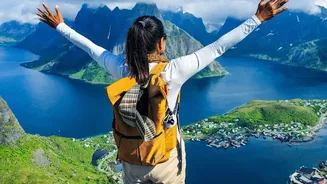
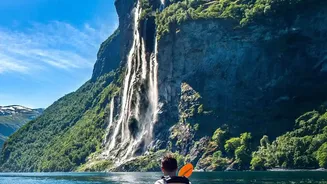
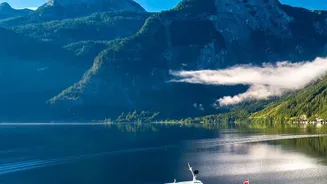
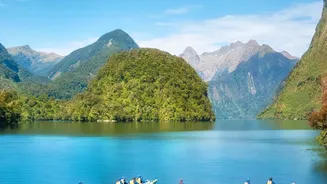
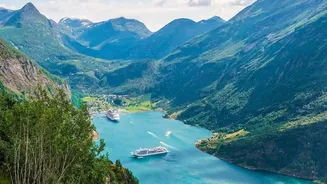
particularly those in Norway, are geological masterpieces. These deep, narrow sea inlets are flanked by towering cliffs and mountains that can rise over a thousand metres from the water. Iconic locations like the Geirangerfjord and Nærøyfjord, both UNESCO World Heritage sites, are famed for their breathtaking beauty, with cascading waterfalls like the 'Seven Sisters' and remote mountain farms clinging to the steep hillsides. While a standard cruise can show you these sights, a smaller, guided tour offers a fundamentally different experience. It moves beyond passive sightseeing and transforms your journey into an active exploration, connecting you with the history, geology, and quiet culture of these immense landscapes.
The Local Guide Difference
The true value of these specialized tours lies with the local guides who lead them. These are not just tour operators; they are storytellers, historians, and nature experts who possess an intimate knowledge of the fjords passed down through generations. A local guide can take you to hidden gems that don't appear in travel brochures—a secluded cove, a historic farmstead, or the perfect vantage point to watch the sunset. They share tales of Viking history, explain the unique geology of the landscape, and offer insights into the challenges and triumphs of life in these remote communities. This personal connection provides a richer, more authentic understanding that a large, automated audio tour simply cannot match. You're not just a tourist; you become a guest, welcomed into a world that is deeply connected to nature.
An Immersive Fjord Experience
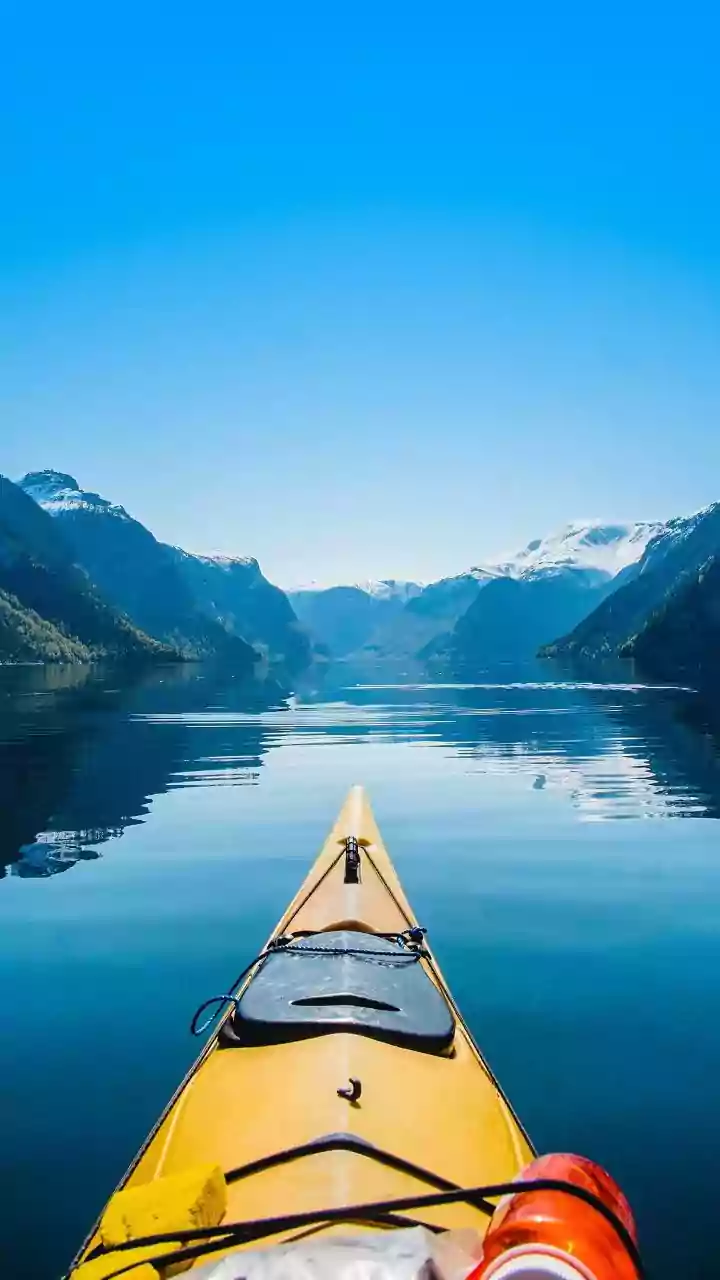
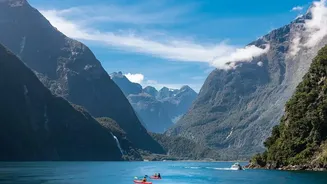
Guided fjord tours often use smaller vessels, such as rigid inflatable boats (RIBs) or cosy passenger ferries, allowing them to navigate narrow passages and get closer to wildlife and waterfalls. This nimbleness creates a more personal and thrilling adventure. Many tours also incorporate other activities, giving you a chance to experience the environment in multiple ways. You might find yourself kayaking in the calm, reflective waters of the Aurlandsfjord, hiking to a glacier like Briksdal, or biking along scenic valley roads. These activities allow you to immerse yourself in the landscape's scale and silence. Furthermore, choosing a tour with a local guide often supports sustainable tourism practices that benefit the small communities along the fjords, ensuring these destinations are preserved for generations to come.
Planning Your Fjord Adventure
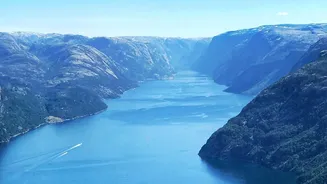
While Norway is the epicentre of Europe's fjordlands, with famous names like the Sognefjord (the longest) and the Lysefjord, other regions also offer stunning coastal scenery. Iceland's rugged Westfjords and the sea lochs of Scotland present their own unique charm and opportunities for guided exploration. When planning, consider the time of year. The summer months offer long daylight hours and greener landscapes, while the quieter seasons of spring and autumn provide a different kind of moody beauty with fewer crowds. Many tours depart from accessible hub cities like Bergen, Stavanger, or Ålesund in Norway. Researching operators that emphasize small group sizes and certified local guides will ensure you have a more meaningful and memorable journey.