




The Rise of the Four-Legged Family Member
The bond between humans and their pets has never been stronger, especially in urban centres. For many, pets are not just animals; they are 'fur babies' and integral members of the family. This trend, often called 'pet humanization', means that the same
care and attention people put into their own wellness, they now extend to their pets. This is fuelling a massive boom in the Indian pet food market, which is projected to grow significantly as owner awareness about animal nutrition rises. As people become more conscious about what’s in their own food, they are naturally applying the same scrutiny to what they feed their companions, moving away from a purely functional approach to one centred on holistic health.
Questioning the Kibble Quo
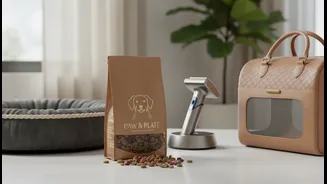
For decades, dry kibble has been the convenient, default choice for pet owners. However, a growing number of parents are questioning its nutritional value. Common concerns centre on the high-heat extrusion process used to make kibble, which can strip ingredients of their natural nutrients. Many formulations rely on synthetic vitamins and minerals to be added back in to meet nutritional standards. Other criticisms include the use of carbohydrate-heavy fillers, artificial preservatives, and low moisture content, which can put a pet in a constant state of mild dehydration. For many, the convenience of kibble no longer outweighs these potential downsides.
The Fresh Food Promise
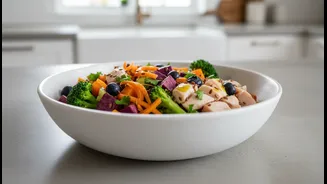
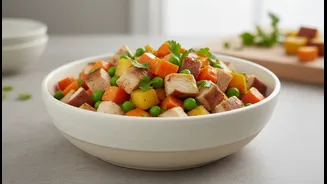
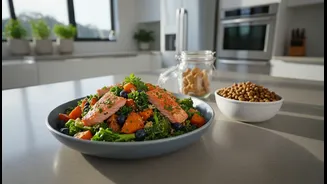
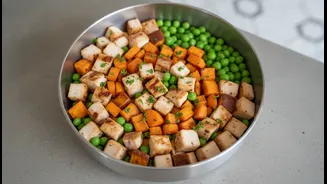
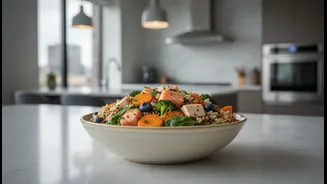
Fresh pet food is positioned as the answer to these concerns. Made with whole-food, human-grade ingredients like real meats and vegetables, it is minimally processed to preserve nutritional value. Studies and anecdotal reports suggest the benefits can be significant. Fresh food is often more digestible than processed kibble, leading to better nutrient absorption. Pet parents who make the switch often report visible improvements in their pets' health, including healthier skin, shinier coats, increased energy levels, and better weight management. For picky eaters or dogs with sensitive stomachs, the high palatability and simple ingredients of fresh food can be a game-changer.
Decoding 'Vet-Approved' and 'Vet-Recommended'
The term 'vet-approved' often appears on fresh food packaging, but it's a phrase with no legal or regulatory definition. More meaningful terms are 'vet-formulated' or 'vet-recommended'. 'Vet-formulated' implies a veterinarian, ideally a board-certified veterinary nutritionist, was involved in creating the recipe. 'Vet-recommended' is a regulated claim that requires a brand to have statistically valid survey data showing that a significant number of veterinarians endorse the product. This doesn't mean every vet recommends it, but it signals a level of professional confidence. For discerning consumers, the key is to look for brands that are transparent about the credentials of the veterinary professionals they work with.
A Perfect Fit for Urban Lifestyles
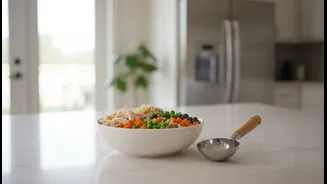
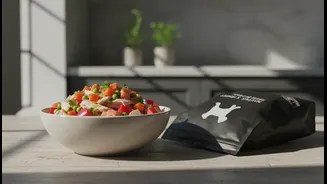
While making fresh food at home can be time-consuming, the rise of direct-to-consumer brands has made it a convenient option for busy urbanites. Many companies in India now offer perfectly portioned, customised meals delivered straight to your door. These subscription services remove the guesswork and hassle, fitting seamlessly into the fast-paced city lifestyle. This combination of superior nutrition, tangible health benefits, and ultimate convenience is a powerful driver, explaining why so many urban pet parents are making the conscious decision to ditch the scoop and embrace fresh food for their four-legged family members.