




A Tale of Two Monsoons
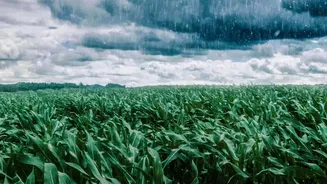
On paper, the national rainfall deficit for the June to September season stands around 13-15% below the long-term average, a figure that doesn't immediately scream crisis. However, this national average masks a story of extreme regional disparities. The
2026 monsoon has been described as one of the most spatially distorted in years. While states like Odisha saw excess rain, a vast number of others, particularly in the south, northwest, and northeast, have been left parched. States crucial for agriculture, such as Karnataka, Maharashtra, Punjab, Telangana, and Andhra Pradesh, have all recorded deficient rainfall. This patchiness—too much water in some places, not nearly enough in others—is the core of the problem, as it fails to evenly recharge the water sources critical for the upcoming winter planting season.
Reservoirs Running Low
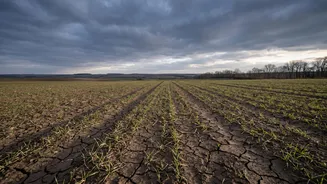
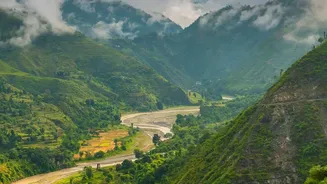
The primary concern stemming from a poor monsoon is its impact on India's reservoirs, the lifeline for rabi (winter) crops which are heavily dependent on irrigation. As of mid-September, water storage in the country's major reservoirs was below the normal level for this time of year and significantly lower than the previous year. The situation is particularly grim in the southern and northern regions, where storage levels are sharply below normal. This is a direct consequence of the rainfall deficit in these areas. For farmers preparing to sow winter crops like wheat, mustard, and chickpeas, this is a worrying sign. These crops rely on adequate soil moisture and water from reservoirs to thrive. With both depleted, the foundation for a successful rabi season is on shaky ground.
The Rabi Crop Dilemma
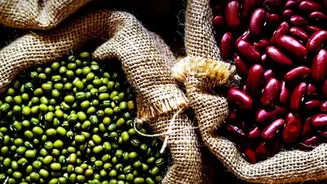
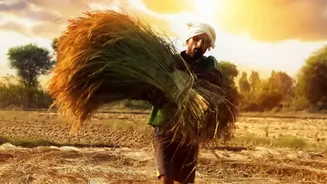
The rabi season accounts for nearly half of India’s annual food grain production, making its success vital for the nation's food security. The main crops sown during this period are wheat, barley, mustard, and gram (chana). With low soil moisture and dwindling reservoir levels, farmers face a difficult choice. Planting water-intensive crops becomes a risky gamble. In response, government bodies have already been advising farmers to shift towards less water-dependent crops like pulses and millets in affected districts. While this is a prudent mitigation strategy, it could alter the production landscape. A potential decrease in the acreage of major staples like wheat could have knock-on effects on supply and availability in the coming year. The next few weeks will be critical as farmers make their final sowing decisions based on the available water.
Ripple Effects on Your Wallet
The fate of the rabi crop is not just a rural concern; it has a direct impact on urban households through food inflation. Food prices have already been a point of concern, with inflation rising to 5.95% in August. A poor winter harvest, especially for key commodities, could exert further upward pressure on prices. Government officials have expressed cautious optimism, stating that the situation is manageable and that they do not expect the high food inflation to persist through the end of the year. They point out that summer crop sowing was only slightly below last year's levels despite the erratic rains. However, independent analysts remain wary, flagging that a weak finish to the monsoon poses a definite risk to the agricultural sector and, by extension, to consumer wallets.