




What Are Ultra-Processed Foods?
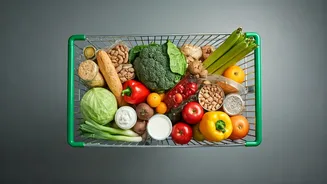
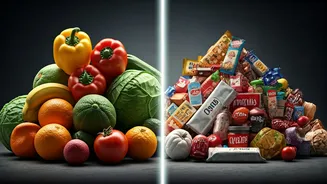
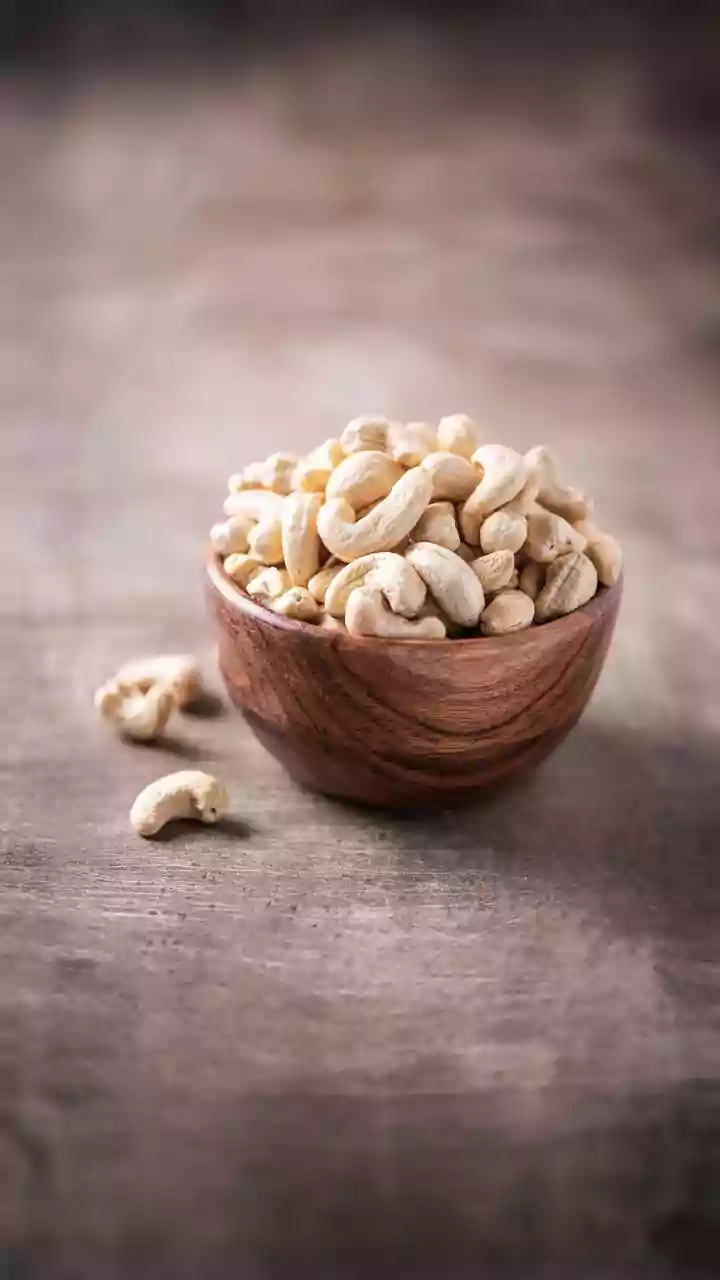
Ultra-processed foods (UPFs) are not just processed; they are industrial formulations. Think of it this way: minimally processed foods are things like bagged spinach or roasted nuts. Processed foods might be canned vegetables or simple cheese. UPFs, however,
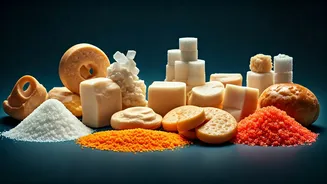
are made from substances extracted from foods or synthesized in labs. They typically contain long lists of ingredients, including additives to enhance flavour, texture, and shelf life. Common examples in Indian households include instant noodles, packaged soups, sugary breakfast cereals, biscuits, and sweetened beverages. These products are designed to be convenient and highly palatable, but they are nutritionally very different from their original sources.
The Growing Health Concerns
A growing body of research links high consumption of UPFs to a range of health problems. Studies have shown associations with an increased risk of obesity, type 2 diabetes, high blood pressure, and heart disease. Some research suggests these foods can negatively impact gut health and increase inflammation. A recent study published in June 2026 even linked high UPF intake to a greater risk of cognitive decline and dementia in older adults. The concern is not just about the high levels of sugar, salt, and unhealthy fats often found in these products; some scientists believe the industrial processing itself, along with the combination of additives, could be harmful.
Your Guide to Becoming a Label Detective
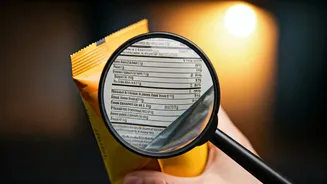
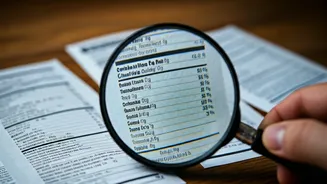
The front of the package is marketing, designed to catch your eye with claims like “natural” or “high in vitamins.” The real story is on the back. The FSSAI (Food Safety and Standards Authority of India) mandates that all packaged foods display an ingredients list and nutritional information. This is your primary tool for identifying UPFs. Don't be intimidated by the small print; once you know what to look for, the process becomes much faster. Start by making it a habit to flip over any new product you consider buying. The goal isn't to be perfect, but to be more aware.
Decoding the Ingredients List
The first rule is that ingredients are listed in descending order by weight. If sugar, refined flour (maida), or an oil is one of the first few ingredients, it’s a red flag. A key sign of a UPF is a long list of items you wouldn't find in a typical home kitchen. Look for names that sound like they belong in a chemistry lab. This includes various emulsifiers (like soy lecithin, polysorbates), thickeners (guar gum, xanthan gum), flavour enhancers (like Monosodium Glutamate or MSG), and artificial sweeteners (aspartame, sucralose). Also, watch for different forms of sugar disguised under names like corn syrup, dextrose, or maltodextrin.
Making Smarter, Simpler Choices
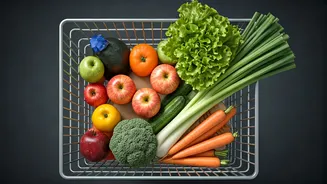
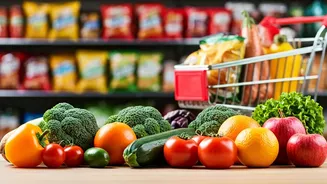
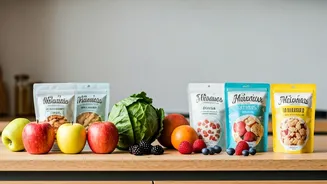
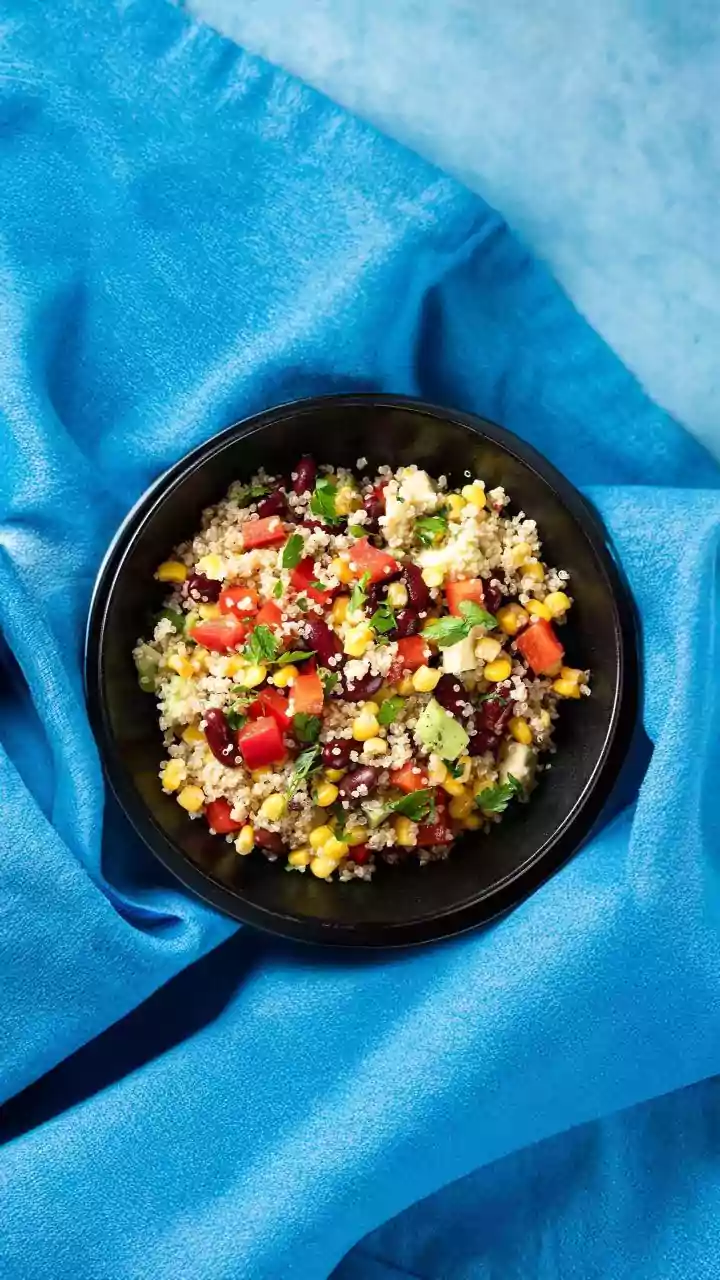
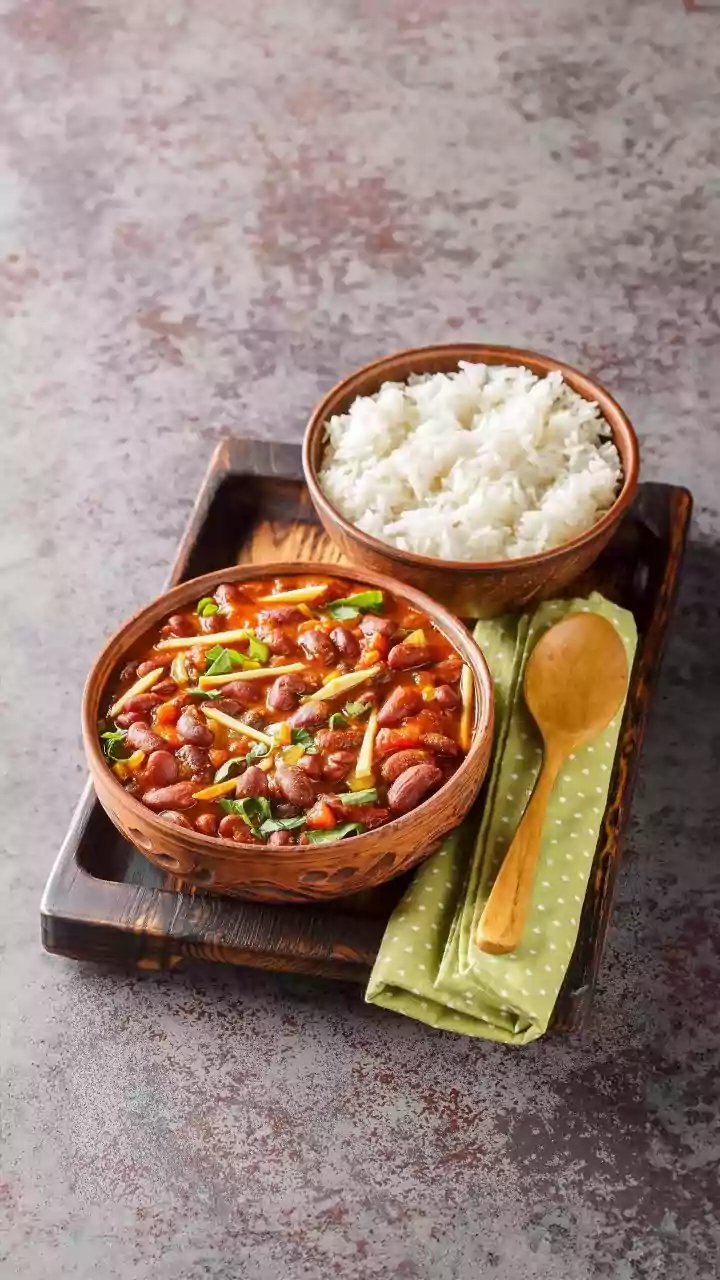
Avoiding UPFs doesn't mean you have to eliminate all conveniences. It’s about making conscious swaps. Instead of a sugary breakfast cereal, opt for traditional porridge or poha. Swap packaged biscuits for a piece of fruit or a handful of nuts. Cooking more meals at home gives you complete control over the ingredients. When you do buy packaged foods, aim for those with the shortest, most recognizable ingredient lists. Reading labels is a skill, and like any skill, it gets easier and quicker with practice. By focusing on whole or minimally processed foods as the foundation of your diet, you are taking a significant step towards better health.