





The New Creative Assistant
For multilingual creators in India, the demand for high-quality, authentic regional content is both a massive opportunity and a logistical challenge. Artificial Intelligence (AI) prompt tools have emerged as powerful assistants in this high-pressure environment.
These are not just generic chatbots; they are sophisticated language models that can be guided to understand and generate text with cultural and linguistic nuance. Platforms like ChatGPT, Claude, and specialized tools are being trained on diverse datasets that now include a better understanding of Indian languages and contexts. This allows a creator to go beyond simple translation and tap into a tool that can help brainstorm, structure, and even write initial drafts of dialogue and scenes.
Mastering the Art of the Prompt
The key to unlocking an AI's potential lies in the quality of the prompt. Vague instructions yield generic results. However, detailed prompts can produce surprisingly authentic starting points. For example, instead of asking the AI to "write a scene between two friends," a creator can provide specific, layered instructions. A more effective prompt would be: "Write a 2-minute dialogue in Hinglish for a web series. The scene is between two 25-year-old friends at a coffee shop in urban Bengaluru. One is complaining about their landlord in a funny, exaggerated way. The other is trying to offer practical but unhelpful advice. Keep the tone light and conversational, using slang a millennial from that city would use." This level of detail guides the AI to consider character, setting, tone, and dialect.
Saving Time, Unlocking Creativity
The most immediate benefit of using AI is speed. What used to take days of research, brainstorming, and drafting can now be accomplished in a fraction of the time. Creators report saving several hours a week, allowing them to focus less on the grind of production and more on creative strategy. This is particularly useful for overcoming writer's block or for quickly generating multiple versions of a scene to see which works best. It can also help with ancillary tasks that support scriptwriting, such as generating character backstories, describing a scene's setting with rich detail, or even outlining an entire plot based on a few core ideas. This accelerates the entire pre-production process.
Walking the Authenticity Tightrope
While AI is a powerful tool, it is not a replacement for human experience and creativity. The risk with relying too heavily on AI is that it can produce dialogue that feels formulaic, stereotypical, or emotionally flat. An AI model does not have lived experiences; it cannot truly understand the subtext, irony, and emotional weight that a human writer brings. For instance, models trained on broad Indian data might struggle with the hyper-specific dialects of a particular village or the unique cadence of a family's inside jokes. Therefore, creators must act as the final arbiters of authenticity. The AI provides the raw material, but the human writer must sculpt, refine, and infuse it with genuine feeling and cultural accuracy.
The Future is a Collaboration
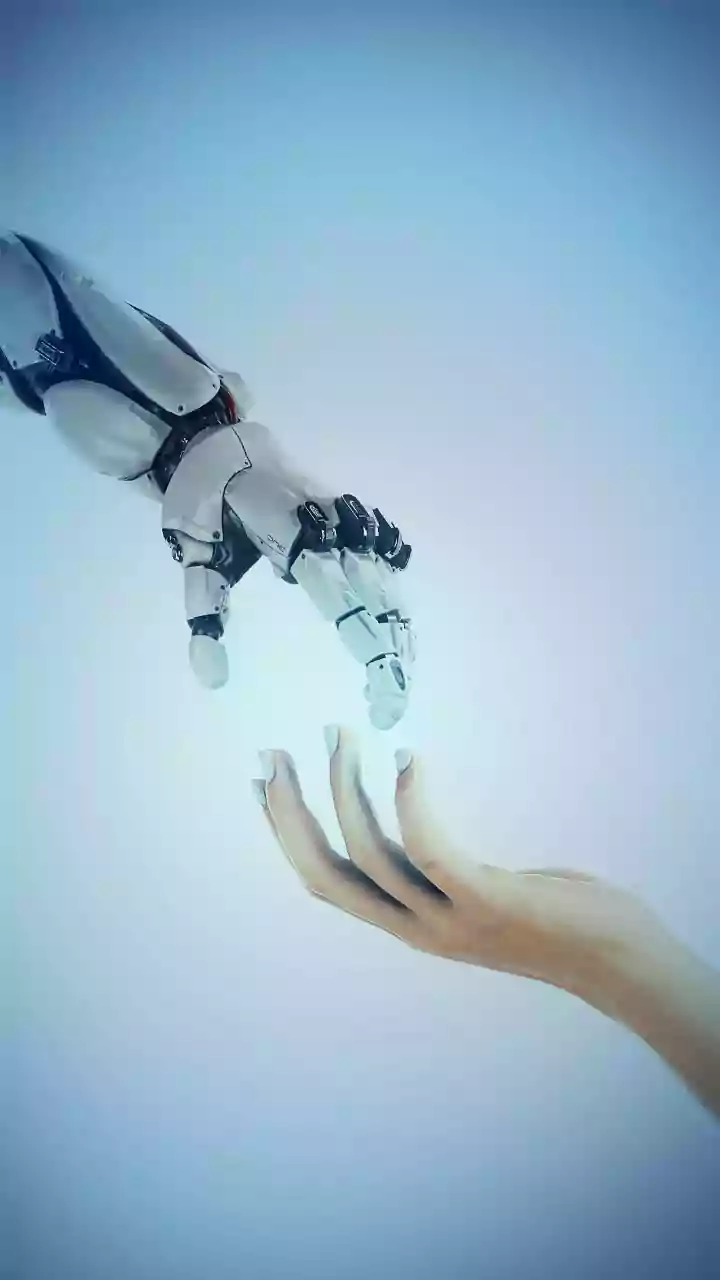
The relationship between creators and AI is evolving into a collaborative partnership. In India, platforms are emerging that are specifically trained on Indian languages and cultural contexts, like Sarvam AI's models for voice or tools that understand the nuances of Hinglish. As these technologies improve, they will become even more integrated into the creative workflow. They will help writers not just with dialogue but with visual storytelling, suggesting camera shots or scene transitions. The goal isn't to have AI write the next great Indian film on its own, but to empower a human writer to tell their story more vividly and efficiently than ever before, reaching audiences across India's diverse linguistic landscape.