








The Surprising Upside of a Monsoon Safari
While many national parks close their core zones from June to September, several keep their buffer zones or specific circuits open, offering a unique safari experience. The monsoon transforms India’s forests into a vibrant, emerald paradise. The air is fresh,
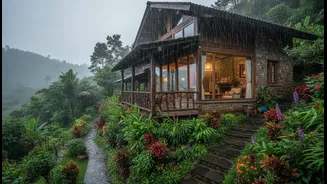
the dust settles, and the entire ecosystem bursts with life. For travellers, this translates to tangible benefits: fewer tourists, lower prices on accommodation, and a more peaceful jungle experience. Photographers are treated to dramatic, overcast skies that create soft, diffused light, perfect for capturing the forest's moody beauty. It's a time when peacocks dance in the rain and elephants can be seen enjoying the downpour.
Top Parks Open During the Rains
Contrary to popular belief, you don't have to put your safari plans on hold. Several premier parks offer fantastic monsoon experiences. In Rajasthan, Ranthambore National Park keeps zones 6 through 10 open, where the rain-washed Aravalli hills create a stunning backdrop for potential tiger and leopard sightings. Over in Kerala, Periyar National Park is a year-round destination that truly comes alive in the monsoon. Here, boat safaris on Periyar Lake are the main attraction, offering incredible opportunities to see herds of elephants and various bird species against a misty, green landscape. In Central India, the buffer zones of parks like Tadoba, Pench, and Satpura in Maharashtra and Madhya Pradesh remain accessible, known for frequent big cat sightings even in the rains. And in Uttarakhand, buffer zones of Jim Corbett National Park like Jhirna and Dhela stay open for the adventurous.
Creatures of the Monsoon
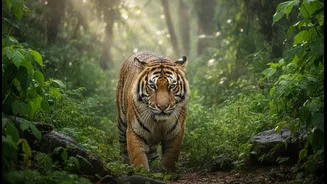
The monsoon alters animal behaviour, providing a different kind of viewing experience. While lush vegetation can make spotting tigers a bit more challenging, it's far from impossible, as they often walk on safari tracks to avoid the wet undergrowth. This is also an excellent time for birdwatching, with many species, including the Malabar grey hornbill and paradise flycatcher, being particularly active. Herds of elephants are frequently seen enjoying the water bodies, especially in southern parks like Periyar and Nagarhole. The season is also a paradise for observing smaller wonders. The forest floor teems with colourful frogs, insects, and rare monsoon-blooming plants like wild orchids, offering a rich experience beyond the chase for big game.
Essential Tips for Your Rainy-Day Adventure
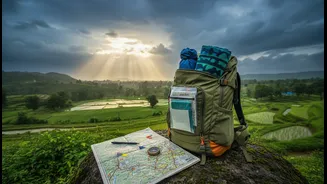
A successful monsoon safari requires some practical preparation. First, always check the official park websites for the most current information on which zones are open, as conditions can lead to last-minute closures. Pack smart: lightweight waterproof jackets and pants are essential, along with waterproof hiking boots or gumboots to navigate muddy terrain. Insect repellent is a must, as the humid weather brings out more bugs. For your electronics, especially cameras, use rain covers and carry silica gel packs in your bags to combat moisture. Finally, manage your expectations. A monsoon safari is as much about soaking in the serene, vibrant atmosphere of the rain-drenched jungle as it is about ticking off animal sightings.