





The Blueprint for Budget Nature Travel
A successful budget trip hinges on smart planning, not sacrifice. The core idea is to find the sweet spot between accessibility and tranquillity. Start by travelling during the shoulder seasons—the months just before and after peak tourist times—to find lower
prices and fewer crowds. Prioritise destinations accessible by train or state-run buses, as these are significantly more economical than flights or private taxis. When it comes to lodging, think local. Homestays, eco-lodges, and government-run guesthouses offer authentic experiences at a fraction of the cost of large resorts. Finally, embrace local eateries and street food for delicious, budget-friendly meals that give you a true taste of the region.
Choosing Your Tier 2 Launchpad
The magic of this travel strategy lies in using a well-connected tier 2 city as your starting point. Cities like Pune, Jaipur, Dehradun, Coimbatore, and Visakhapatnam are perfect examples. They have excellent transport links but are also gateways to incredible, often-overlooked natural landscapes. Instead of heading to the most famous (and crowded) spots, look for the smaller parks, reserves, and hill stations that are popular with locals. These places often provide a more genuine and peaceful experience.
Spotlight: The Western Ghats from Pune
Pune is an ideal base for exploring the lush Sahyadri mountain range, part of the Western Ghats. While Lonavala is popular, consider quieter alternatives like Mulshi or farm stays in the area. Places like Hideout Farm near Vikramgad offer a rustic experience focused on simple living and connecting with nature. For a slightly longer journey, the area around Nashik, India's wine capital, offers vineyard stays and farm-to-table experiences that can be surprisingly affordable, especially outside of festival weekends. These outposts offer opportunities for trekking, bird watching, and simply relaxing amidst greenery.
Spotlight: The Aravallis and Beyond from Jaipur
Jaipur, the Pink City, is not just about forts and palaces. It's also a gateway to the rugged Aravalli hills. A short drive can take you to places like Sariska Tiger Reserve or the lesser-known Jamwa Ramgarh Wildlife Sanctuary. For a unique stay, consider eco-resorts and homestays that focus on sustainability. The Treehouse Resort in Jaipur, for instance, offers an immersive nature experience. Venturing a bit further, you can find heritage properties and farm stays around towns like Churu that offer a glimpse into rural Rajasthani life.
Spotlight: Himalayan Foothills from Dehradun
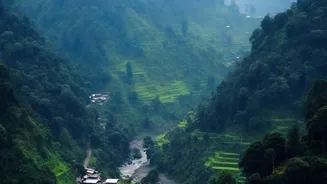
Dehradun serves as a launchpad to the Himalayan foothills. Instead of the bustling streets of Mussoorie, explore offbeat destinations like Chakrata, known for its dense forests and serene trekking trails, or Pangot, a paradise for birdwatchers near Nainital. These destinations are accessible and offer a range of budget accommodations, including homestays run by local families. They provide a perfect setting for travellers looking to disconnect and enjoy the crisp mountain air without the commercial hustle of more prominent hill stations.
Finding and Booking Your Perfect Outpost
Finding these hidden gems is easier than ever. Look for state tourism websites, which often list government guesthouses and approved homestays. Eco-tourism platforms and specialised travel blogs are also fantastic resources for discovering responsible and budget-friendly stays. Don't be afraid to call properties directly to inquire about off-season rates or long-stay discounts. Reading recent reviews from fellow travellers can also provide invaluable insights into what to expect. Booking in advance, especially for train tickets and popular homestays, is always a wise move to secure the best prices.