


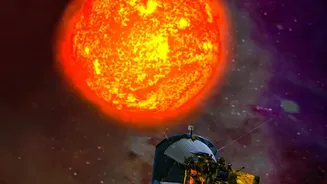

India’s Unblinking Stare at the Sun
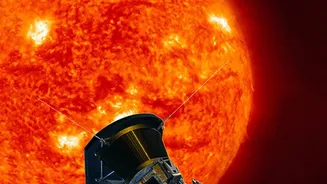
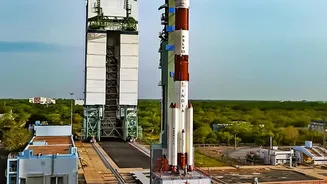
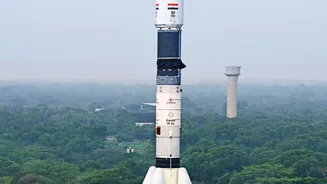
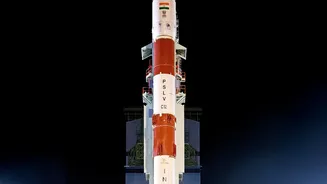
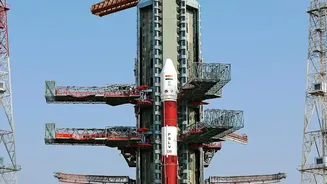
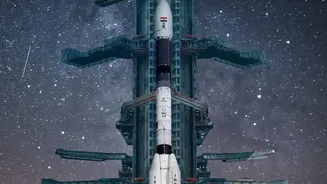
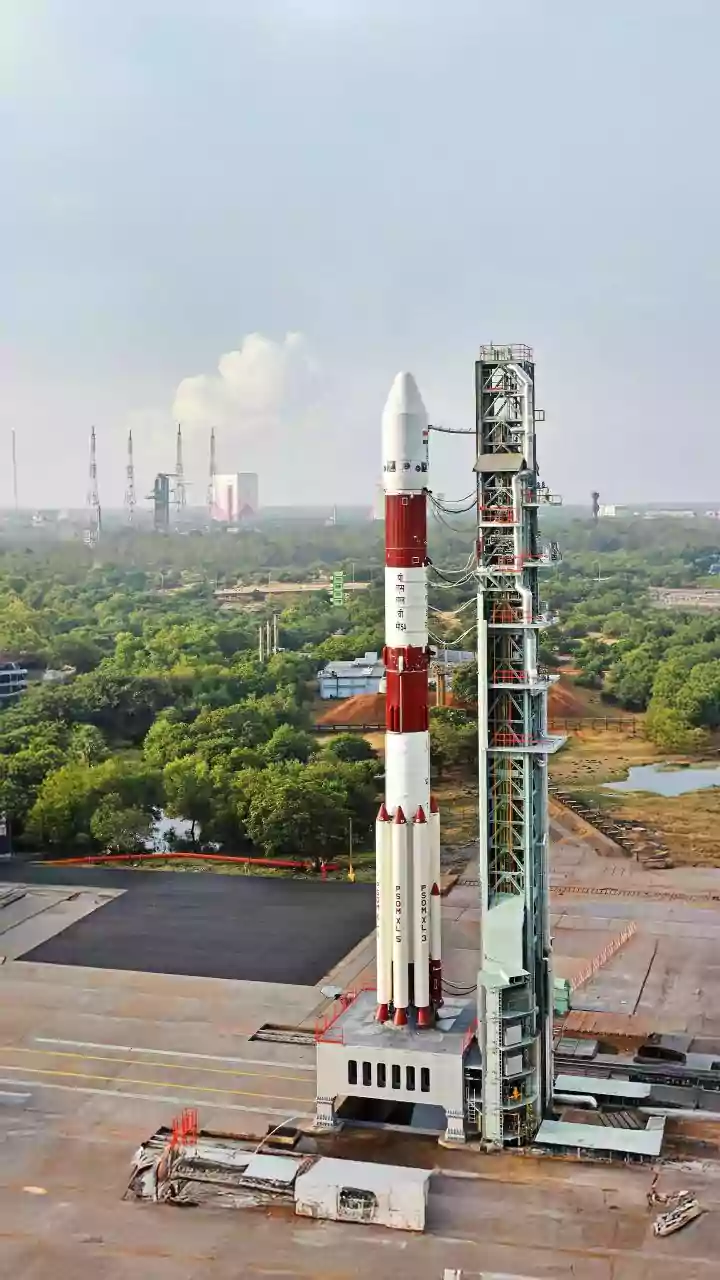
Launched in September 2023, the Aditya-L1 mission is a landmark project for the Indian Space Research Organisation (ISRO). It is India's first dedicated space-based observatory for studying the Sun. The spacecraft travelled approximately 1.5 million kilometres
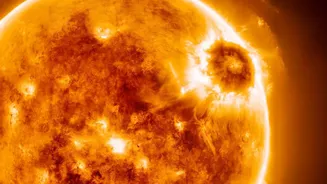
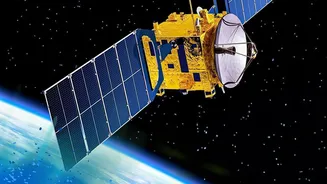
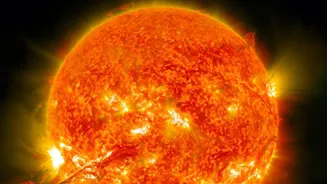
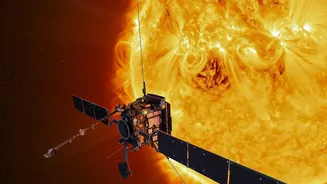
from Earth to a unique spot called Lagrange Point 1 (L1). From this strategic position, it gets a continuous, uninterrupted view of the Sun, free from eclipses or Earth’s shadow. This allows its seven sophisticated payloads to constantly monitor solar activities, from the Sun's outer layers—the photosphere, chromosphere, and corona—to the stream of charged particles it constantly emits.
Decoding the Solar Wind
One of Aditya-L1's primary goals is to understand the solar wind, a continuous flow of charged particles, mostly protons and electrons, that streams from the Sun and travels across the solar system. The headline-making new data comes from instruments like the Plasma Analyser Package for Aditya (PAPA) and the Aditya Solar wind Particle EXperiment (ASPEX). These payloads directly measure the velocity, temperature, and composition of the solar wind. For example, PAPA's sensors have successfully detected the impact of Coronal Mass Ejections (CMEs)—massive eruptions of solar plasma—on the solar wind, observing abrupt increases in particle counts that help scientists track these events. This in-situ data provides a ground truth that helps verify and improve our models of how these solar events travel through space.
What is Space Weather?
The term 'space weather' refers to the changing conditions in space, driven primarily by the Sun's activity. Think of it like terrestrial weather, but instead of wind and rain, it involves solar flares, CMEs, and the ever-present solar wind. When a powerful solar storm heads our way, it can interact with Earth's magnetic field, creating a geomagnetic storm. These storms aren't just cosmic light shows like the auroras; they have the potential to cause serious disruption. Aditya-L1's observations are crucial because by watching the Sun directly, it can give us an early warning of potentially hazardous space weather heading our way.
Why This Data Is Crucial for Earth
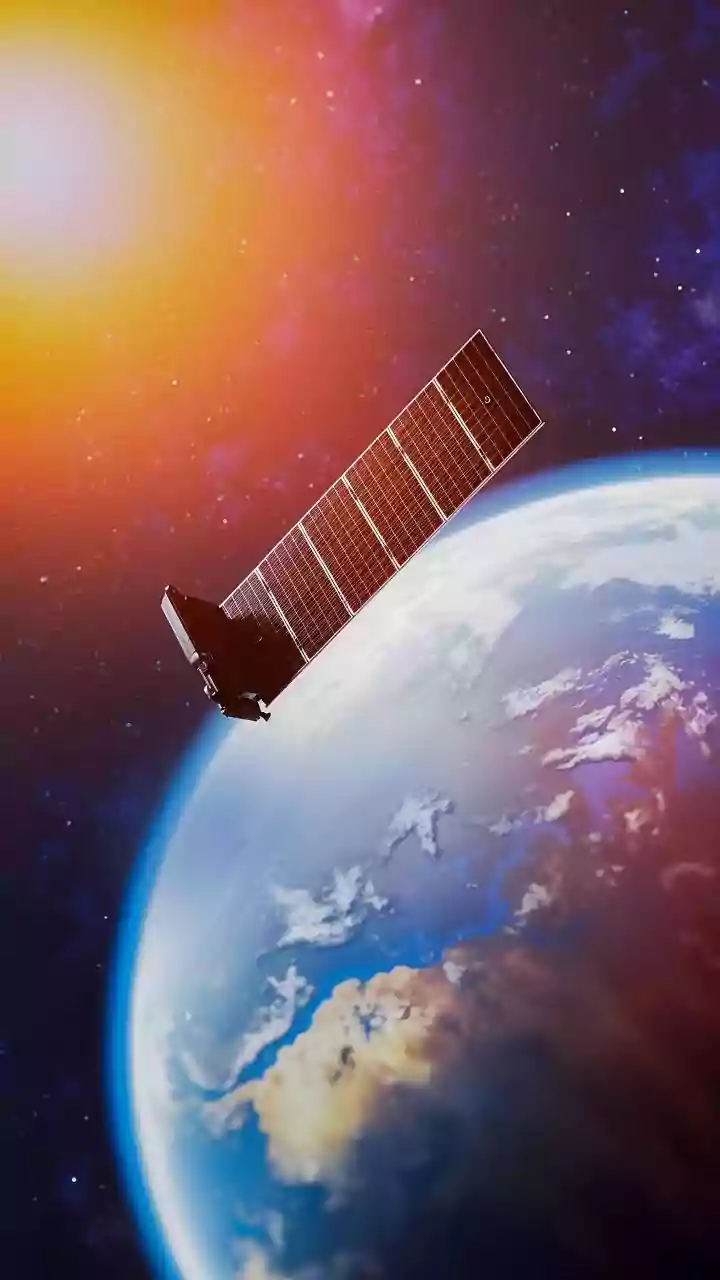
Understanding and predicting space weather is becoming increasingly vital in our technology-dependent world. Intense solar storms can disrupt satellite operations, affecting everything from GPS navigation and mobile communication to television broadcasts. They can also interfere with radio communications and pose a radiation hazard to astronauts and even passengers on high-altitude flights. On the ground, severe geomagnetic storms can induce currents in power grids, potentially leading to widespread blackouts. By providing real-time data on solar wind velocity and the structure of CMEs, Aditya-L1 enhances our ability to forecast these events, giving operators time to take protective measures, such as putting satellites in safe mode or preparing power grids for impact.
A Major Milestone for Indian Science
The successful operation of Aditya-L1 and the steady flow of high-quality data represent a significant achievement for India. The mission places ISRO among an elite group of space agencies with dedicated observatories monitoring the Sun. Recent studies based on Aditya-L1 data have already provided new insights. For example, scientists have identified small, short-lived brightenings in the Sun's atmosphere that act as precursors to major solar flares. Another study used Aditya-L1 observations to understand how a powerful solar storm in October 2024 compressed Earth's magnetic shield, exposing some geostationary satellites to harsh conditions. These findings showcase the mission's capability to deliver world-class science and contribute significantly to global space weather research.