







From a Checklist to a Connection
The era of the 'foodie checklist'—flying to Delhi for butter chicken, Paris for a croissant, or New Orleans for gumbo—is making way for a more profound form of culinary exploration. While these iconic dishes remain beloved, a growing wave of travellers
feels they offer only a surface-level taste of a place. The new appetite is for context. Why is this dish important? What are its origins? How does it fit into the daily lives of local people? This curiosity is transforming travel from passive consumption into an active, engaging cultural exchange. It’s the difference between seeing a photograph of a landmark and actually climbing its steps; the experience is deeper, more memorable, and infinitely more personal.
The Rise of Immersive Culinary Experiences
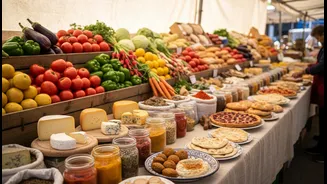
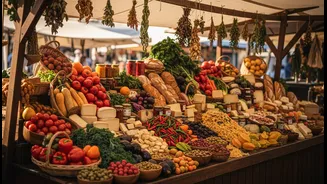
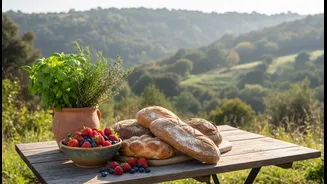
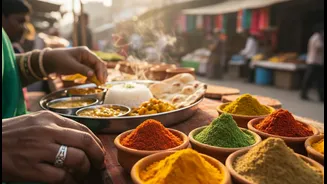
This shift in mindset has fuelled a boom in hands-on culinary activities. Travellers are enthusiastically signing up for cooking classes in local homes, learning to roll pasta in Tuscany or balance spices in a Thai curry from the people who have done it for generations. Food tours are no longer just about sampling; they are guided explorations of bustling local markets, introducing travellers to unfamiliar produce and the artisans who sell it. These tours often visit hidden eateries and street food stalls far from the tourist trail, offering a genuine glimpse into a neighbourhood's daily rhythm. Farm-to-table dining experiences, vineyard visits, and even sharing a home-cooked meal with a local family are becoming trip highlights, providing a direct line to the heart of a culture.
Why the Hunger for Authenticity?
Several factors are driving this trend. For many, it's a desire for genuine connection in an increasingly digital world. Sharing a meal is a universal form of bonding, and these experiences create real human-to-human connections that transcend language barriers. Studies show that today's travellers, from millennials to boomers, prioritize unique local experiences over fine dining. It's less about luxury and more about authenticity and participation. Furthermore, there is a growing awareness of the benefits of this travel style. It directly supports small-scale producers, local entrepreneurs, and family-run businesses, ensuring that tourism revenue benefits the community more broadly.
More Than a Meal, It's a Legacy
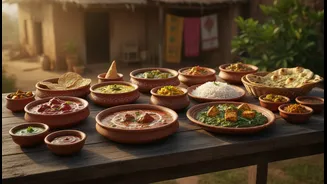
Engaging with food at this deeper level does more than just create a memorable vacation; it helps preserve cultural heritage. When travellers show interest in traditional cooking methods and regional recipes, it reinforces their value and encourages their continuation. In a world where global food trends can sometimes overshadow local traditions, this form of tourism provides a powerful incentive for communities to celebrate and maintain their unique culinary identities. It fosters pride and ensures that the stories woven into these dishes are passed down to future generations, rather than being diluted or lost.
How to Truly Eat Like a Local
Finding these authentic experiences is easier than ever. Platforms now connect travellers with local hosts for everything from market tours to private cooking classes and home-cooked dinners. Beyond apps, the best advice is often the simplest: be curious. Talk to your taxi driver, the vendor at a local market, or the bartender about where they love to eat. Instead of heading to the main tourist square, wander into a residential neighbourhood and see where the locals are gathering for lunch. By stepping off the beaten path, you move beyond being a tourist who simply eats, and become a traveller who understands.