







The Challenge of the Working Holiday
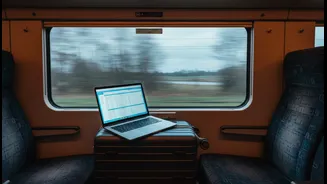
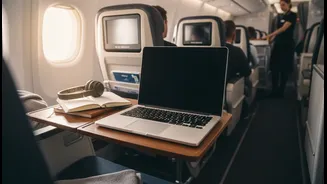
The rise of remote work has blurred the lines between the office and everywhere else, giving birth to the “workation”—a blend of work and vacation. While the idea is appealing, the reality can be a frantic shuffle. Quick trips often lead to travel fatigue,
where logistics and constant movement consume the very energy you were hoping to restore. Many remote workers start by hopping from city to city every few days, only to find themselves burnt out, struggling to be productive, and feeling like they never truly experienced the places they visited.
Why Staying Longer Changes the Game
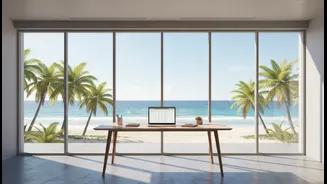
Embracing “slow travel” by extending your stay in a single location is a powerful antidote to work-travel burnout. The primary benefit is a significant reduction in logistical stress. Instead of constantly packing, unpacking, and navigating new check-ins, you can settle in. This stability allows you to establish a reliable workspace with a good internet connection, which is crucial for productivity. A longer stay removes the pressure to cram every tourist activity into a few short days, allowing for a more relaxed and sustainable pace.
Finding a Sustainable Rhythm
The key to a successful extended workation is creating a routine that honours both work and leisure. Don't try to replicate your exact home office schedule; it often leads to frustration. Instead, build a portable routine that works for your new environment. Many successful slow travellers create dedicated work blocks, often in the morning, to ensure professional commitments are met. This frees up afternoons and evenings for genuine exploration, relaxation, and cultural immersion, guilt-free. It's about finding a rhythm where you can be fully present, whether you're on a conference call or exploring a local market.
Practical Tips for an Extended Stay
To make a longer stay successful, planning is essential. Choose your accommodation wisely, prioritizing a dedicated workspace and verified Wi-Fi speeds. Many short-term rentals even offer weekly or monthly discounts, making longer stays more affordable. Once you arrive, establish boundaries. Define your working hours clearly and communicate them to colleagues. It's also important to create a hard stop at the end of the workday to avoid feeling like you are always on the clock. Finally, make an effort to connect with the local community, whether through co-working spaces or local events, to combat potential loneliness.
More Than a Vacation, a New Lifestyle
A longer work-travel experience is more than just an extended holiday; it's a chance to immerse yourself in a new culture. It allows you to move beyond being a tourist and experience a place more like a local. This deeper immersion can boost creativity, broaden your perspective, and improve problem-solving skills. While a traditional vacation is a break from work, a well-planned extended stay is a break from your routine, offering a chance to recharge without completely disconnecting. It fosters a more sustainable and fulfilling way to integrate your professional life with your passion for travel.