

Prioritise Freshly Cooked, Hot Meals
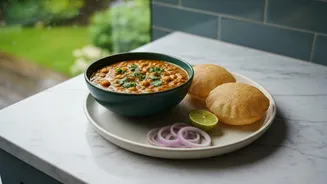
The golden rule for monsoon is to eat freshly prepared food. The moist, humid environment allows bacteria and fungi to multiply rapidly on food left at room temperature. Leftovers, therefore, become riskier. If you must store food, refrigerate it promptly
in airtight containers and make sure to reheat it thoroughly until it is piping hot before consumption. This helps kill any harmful pathogens that may have developed. Try to cook smaller portions to avoid having leftovers altogether. Simple, light, and easily digestible meals like khichdi, dal, and vegetable stews are excellent choices, as the digestive system can be slightly sluggish during this season.
Handle Fruits and Vegetables With Extra Care
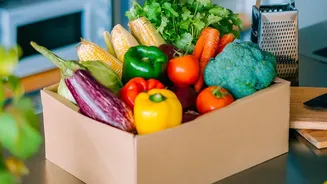
Fresh produce requires special attention during the rains. Leafy green vegetables, which grow close to the soil, can harbour dirt and germs, and their folds can trap moisture and microbes. It is advisable to soak them in salt water or a vinegar solution for about 15 minutes before rinsing them thoroughly under clean, running water. Some experts even recommend steaming or cooking leafy greens rather than eating them raw in salads. For all vegetables and fruits, wash them well just before you intend to use them. Avoid buying produce that has bruises or signs of decay, and store them in the refrigerator to prolong freshness.
Be Cautious With Street Food and Raw Items
As tempting as a plate of hot pakoras or spicy chaat from a street vendor can be on a rainy day, it carries a significant health risk. Street food is often prepared in open, unhygienic conditions where it can be easily contaminated by rainwater, flies, and dust. The water used for cooking or making chutneys might not be safe, leading to waterborne diseases like typhoid, cholera, and gastroenteritis. Raw foods like pre-cut fruit salads and fresh chutneys are particularly risky. If the craving is irresistible, opt for vendors who prepare food fresh in front of you and ensure it is served hot. The safest bet, however, is to recreate your favourite street food snacks at home.
Ensure Your Drinking Water is Safe
Water contamination is one of the biggest health hazards during the monsoon, as heavy rains can cause sewage to mix with water supplies. This makes it crucial to ensure the water you drink and use for cooking is purified. Boiling water for at least one minute is an effective way to kill most harmful microorganisms. Alternatively, using a reliable water purifier with regular maintenance is a good practice. Be wary of ice from unknown sources, such as in juices or drinks from outside vendors, as it could be made from contaminated water. Sticking to bottled water from trusted brands when outside is a sensible precaution.
Maintain a Clean and Dry Kitchen
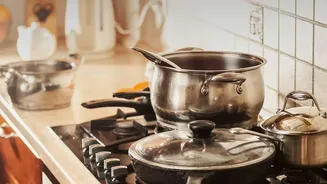
A clean kitchen is your first line of defence against monsoon-related illnesses. The increased humidity can make kitchen surfaces damp, encouraging mould and bacterial growth. Make it a habit to wipe down countertops, stoves, and sinks with a disinfectant after use, ensuring they are left dry. Use separate cutting boards for raw meat and vegetables to prevent cross-contamination. Pay attention to your pantry as well; store dry ingredients like flour, pulses, and spices in airtight containers to protect them from moisture and pests. Regularly cleaning your refrigerator and disposing of waste promptly are also key steps in maintaining a hygienic environment.