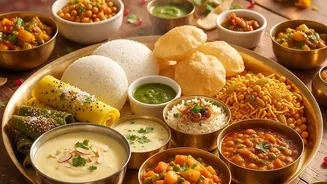



The joyous whirlwind of Diwali often leaves behind a delicious legacy: a fridge full of leftovers. Instead of seeing it as a challenge, think of it as an opportunity to extend the festive feasting and minimise food waste with smart storage.
The Golden Rules of Leftover Safety
Before we get
into specific dishes, some universal food safety rules apply. The most critical is the 'two-hour rule': all perishable, cooked foods must be refrigerated or frozen within two hours of being served. This prevents harmful bacteria from growing in the 'danger zone' temperature range. When storing, opt for small, shallow, airtight containers. This helps food cool down quickly and evenly, preventing the centre from staying warm and becoming a breeding ground for microbes. Finally, label your containers with the date so you can keep track of what needs to be eaten first.
Storing Mithai: Sweets and Treats
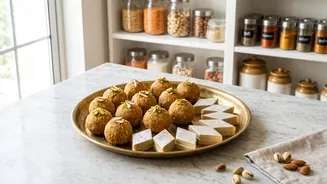
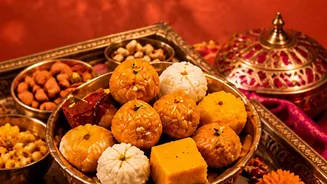
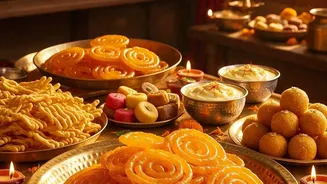
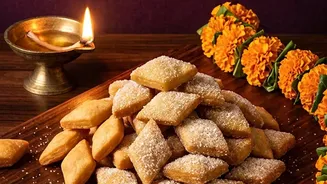
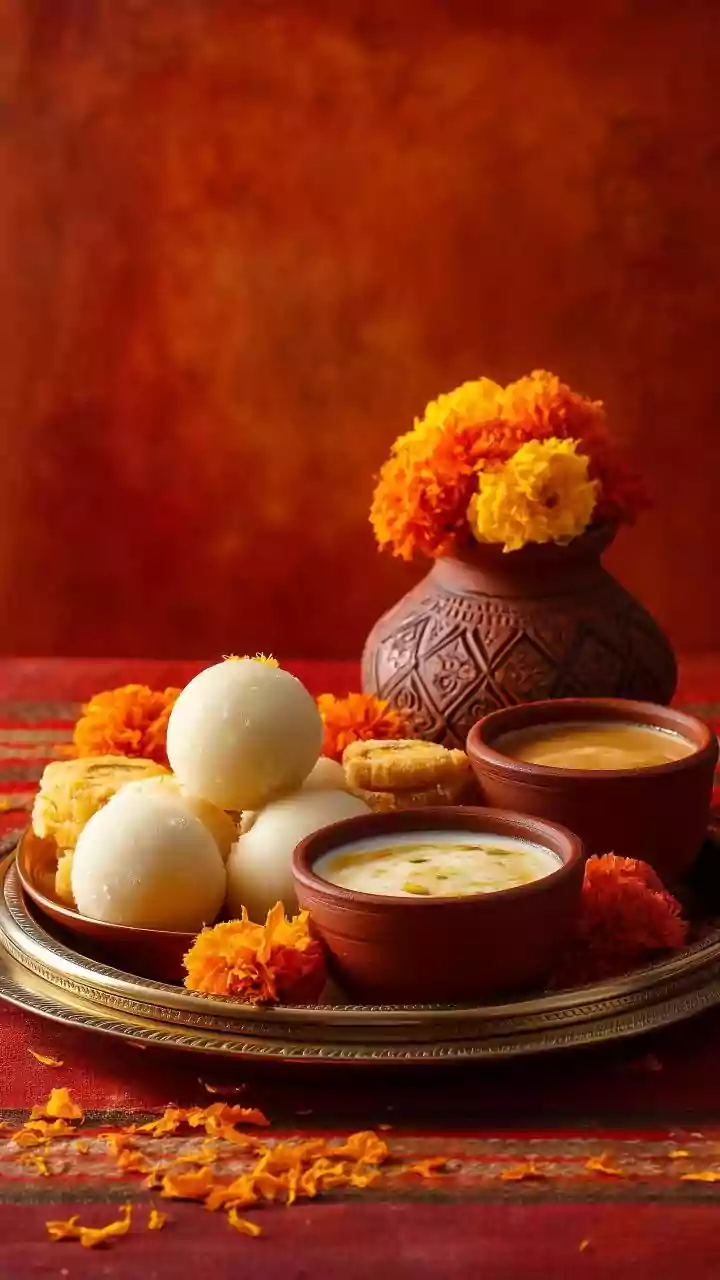
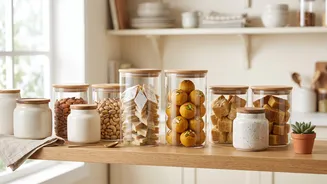
How you store Indian sweets depends entirely on their ingredients. Milk or khoya-based mithai like peda, milk barfi, and rasgulla are highly perishable and must be refrigerated immediately. They should be consumed within three to five days. Sweets that are primarily made of ghee, nuts, or flour, such as besan ladoo, kaju katli, and soan papdi, are more shelf-stable. These can last for several days and even up to two weeks in an airtight container at room temperature, though refrigeration can extend their freshness further.
Keeping Savoury Snacks Crisp
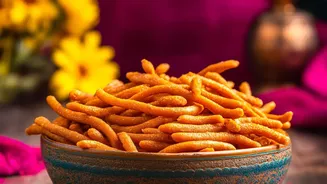
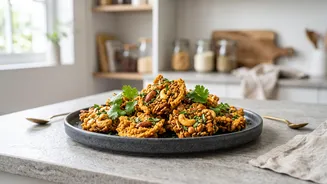
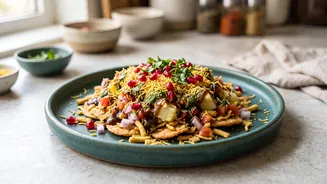
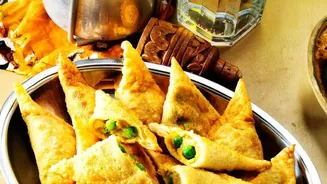
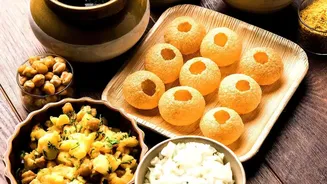
Fried snacks like samosas, mathri, and chakli are best stored in airtight containers to protect them from moisture, which is their biggest enemy. For short-term storage of a few days, a cool, dry pantry is sufficient. For longer storage, freezing is an option, especially for uncooked or par-cooked items like samosas. While you can freeze fully cooked fried items, they may lose their signature crispness upon reheating. The best way to bring them back to life is not the microwave, but an oven or an air fryer, which will help draw out moisture and restore their crunch.
Freezing Curries, Dals, and Gravies
Indian cuisine is wonderfully suited for freezing. Sauce-based dishes like chicken tikka masala, chana masala, and most dals freeze exceptionally well. In fact, many believe the flavours deepen and improve after freezing and reheating. The sauce acts as a protective barrier, preventing the main ingredients from drying out. For best results, allow the curry to cool completely before portioning it into freezer-safe containers. For lentil dishes like dal tadka, it's often recommended to freeze the boiled dal and add the fresh tempering (tadka) after reheating for the best aroma and flavour.
What Not to Freeze
While many dishes freeze well, some do not. Curries with a heavy cream or yogurt base can sometimes split or become grainy when thawed, although gentle reheating can sometimes fix this. Vegetables with high water content, like cucumber or radish, will become limp and mushy. Potatoes in curries can also take on a softer, slightly watery texture after being frozen. And while you can freeze fried snacks, be prepared that they won't have the exact same texture as when they were freshly made.
The Art of Reheating
How you reheat your leftovers is just as important as how you store them. For frozen curries and dals, the best method is to thaw them overnight in the refrigerator before gently reheating on the stovetop or in the microwave. For fried items like samosas, skip the microwave entirely. Reheat them in a preheated oven at around 200°C (400°F) or in an air fryer for about 10-15 minutes until they are hot and crispy. This ensures they don't turn soggy and regain their delightful crunch. Always reheat food thoroughly to a safe internal temperature to kill any potential bacteria.