








A quiet transformation is underway across India’s ancient spiritual circuits. Once seen as arduous journeys for the elderly, pilgrimages are now drawing a younger, tech-savvy crowd. This isn't just a coincidence; it's by design.
The New Blueprint for Faith
Massive infrastructure
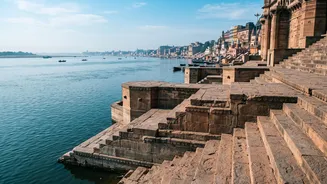
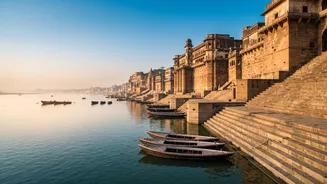
overhauls are fundamentally changing the pilgrimage experience. Government initiatives like the PRASHAD scheme are channelling significant investment into developing spiritual destinations. Take the Char Dham Yatra in Uttarakhand; the ₹12,000 crore Char Dham Pariyojana project is widening highways to provide smoother, faster access to the Himalayan shrines. This has led to an explosive rise in visitors, with Kedarnath alone seeing a forty-fold increase in tourists between 2014 and 2024. Similarly, the Kashi Vishwanath Corridor in Varanasi has transformed access to the temple and Ganga ghats, easing crowd flow and making the holy city more approachable. Visitor numbers in Kashi surged to over 72.6 million in 2025. These projects focus on better roads, transport facilities, organised public spaces, improved sanitation, and safety measures like CCTV surveillance, making the journey less physically demanding and more organised.
A Digital Path to Divinity
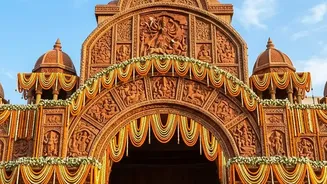
The modernisation isn't just physical; it's digital too. For a generation that plans life on a smartphone, this has been a game-changer. Spiritual hubs now have dedicated portals and websites for information, online booking systems for darshan and aarti, and even helicopter services that can be reserved with a click. This digital ecosystem makes planning spontaneous and accessible. Data from travel platforms shows a rise in last-minute spiritual trips, with nearly one in four journeys booked within hours of departure. The visual appeal of these revamped sites also plays a huge role. Social media platforms are filled with stunning images of the Ganga aarti in a redeveloped Varanasi or the architectural grandeur of the Ram Mandir in Ayodhya, turning these sacred spots into discoverable and 'Instagrammable' destinations. This online visibility piques curiosity and makes these ancient sites relevant to a new generation.
Redefining the Spiritual Quest
While improved facilities make the journey easier, the motivations for young Indians are also evolving. For many, a pilgrimage is no longer just about ritualistic obligation but a search for experience, peace, and cultural connection. Recent data from travel booking platform redBus revealed that travellers under 35 now account for over 53% of bookings to spiritual destinations. These journeys often blend spirituality with adventure and leisure. A trek to Kedarnath is seen as both a spiritual quest and a thrilling adventure. A trip to Varanasi or Rishikesh combines temple visits with café hopping, cultural walks, and yoga retreats. This new brand of spiritual tourism is less about rigid dogma and more about personal growth, mental well-being, and finding a sense of identity away from the stresses of modern life.
Balancing Progress and Preservation
The boom in spiritual tourism is a significant economic driver, creating jobs and boosting local economies in hospitality, transport, and retail. However, this rapid influx also raises critical questions about sustainability. The massive increase in visitors to ecologically sensitive areas like the Himalayas puts immense pressure on the local environment, with concerns about deforestation, waste management, and the overall carrying capacity of these towns. While projects are being planned with crowd management in mind, the challenge lies in striking a balance. The goal is to enhance the pilgrim's experience without diluting the spiritual sanctity of these ancient places or causing irreparable harm to their natural surroundings. As these hubs continue to grow, the focus is shifting towards sustainable development that respects both faith and the fragile ecosystems that house them.