

The Treadmill of Trends
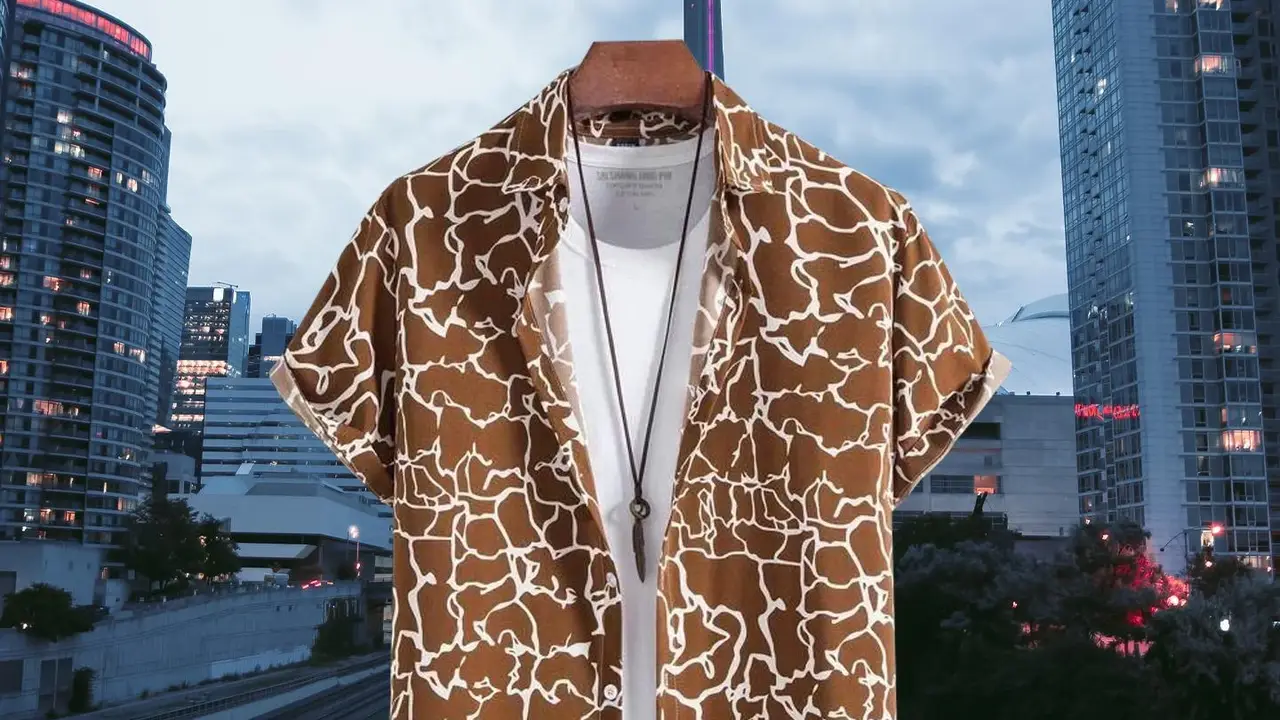
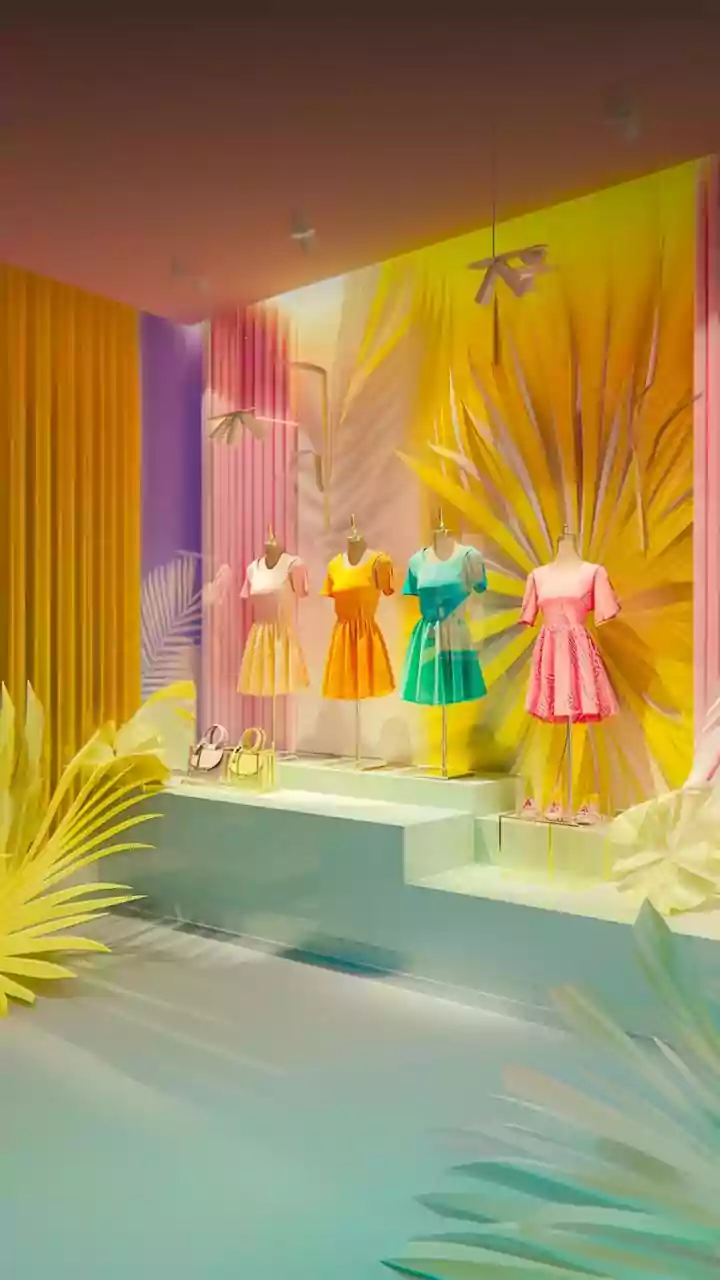
Not long ago, fashion ran on four seasons. Now, it’s a dizzying 52 micro-seasons per year. Some ultra-fast fashion brands have compressed the design-to-delivery pipeline to a mere 10 days, dropping thousands of new styles daily. This isn't just about
offering variety; it's a deliberate business model built to create a constant sense of novelty and urgency. The goal is to make the clothes you bought last month feel obsolete this week. This rapid turnover is powered by complex global supply chains designed for one thing: speed. The result is a consumer culture where we buy 60% more clothing than we did 20 years ago, but wear each item for half as long.
The Hidden Cost of 'New'
This relentless cycle comes at a staggering cost. The fashion industry is responsible for up to 10% of global carbon emissions—more than all international flights and maritime shipping combined. It’s the second-biggest consumer of water and generates 20% of the world's wastewater, often polluting rivers with toxic dyes. The human cost is just as severe. To keep prices impossibly low, the industry often relies on the exploitation of garment workers, the majority of whom are women. They frequently face unsafe working conditions, low wages that keep them in poverty, and long hours. The tragic 2013 Rana Plaza factory collapse in Bangladesh, which killed over 1,100 workers, remains a stark reminder of the dangers lurking behind a five-dollar t-shirt.
Beyond the Dopamine Hit
The psychological impact on consumers is also significant. The constant pressure to keep up with trends can fuel anxiety, comparison, and a sense of inadequacy. Each purchase provides a fleeting dopamine hit, but this satisfaction is often short-lived, quickly replaced by buyer's remorse or the desire for the next new thing. This creates a cycle of compulsive shopping that can lead to financial strain, cluttered living spaces, and mental exhaustion from decision fatigue. We are tricked into thinking that owning more will make us happier, but the reality is often a wardrobe full of clothes and a persistent feeling of having nothing to wear.
Defining Your 'Why' to Buy
The antidote to this frantic cycle is not to stop shopping entirely, but to shop with intention. It’s about shifting your mindset from a consumer to a curator of your own style. This means developing fewer, clearer reasons for making a purchase. Before you add something to your cart, pause and ask yourself a few critical questions. Why am I buying this? Is it a genuine need or an impulse driven by a sale or a trend? Does this item reflect my personal style, or am I just trying to conform to a fleeting look? Shopping mindfully isn't about deprivation; it's about empowerment. It's about choosing quality over quantity and building a wardrobe that truly serves you.
Three Simple Rules for a Better Wardrobe
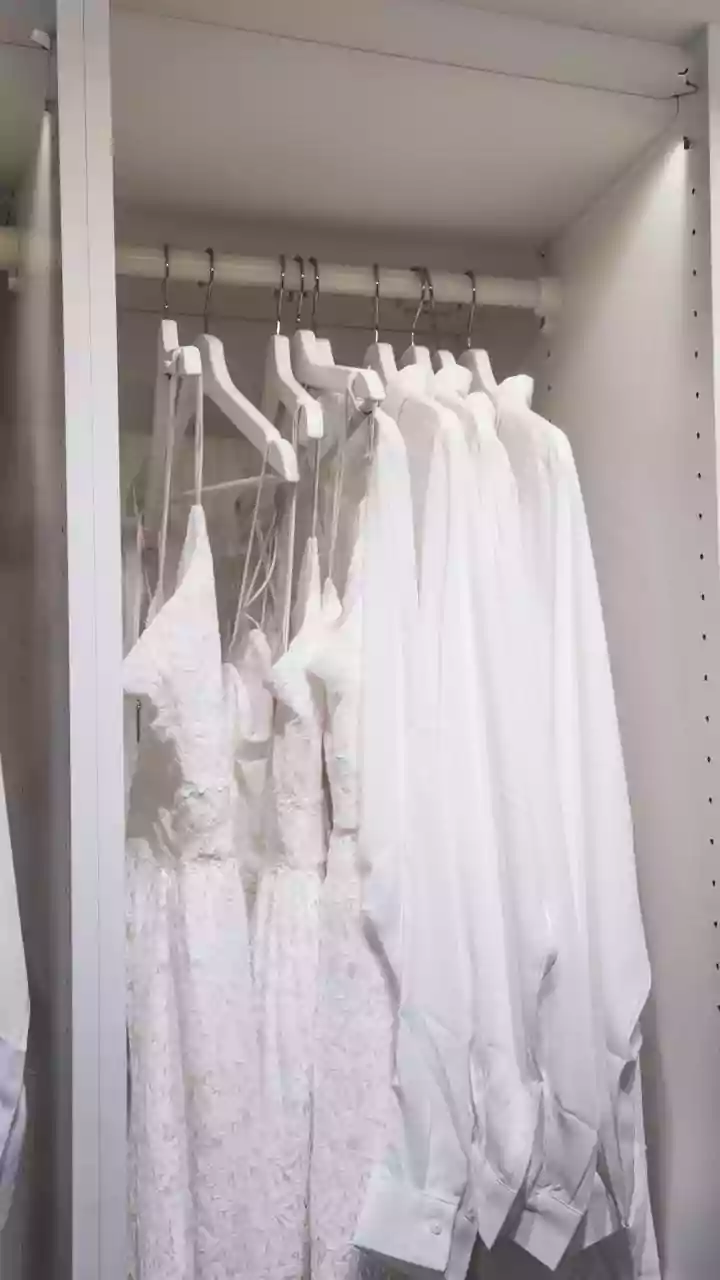
To make this practical, consider adopting a few clear guidelines. First, embrace the '30 Wears' rule: before buying something, ask yourself if you will realistically wear it at least 30 times. This simple question helps distinguish a lasting addition from a disposable trend. Second, implement a one-in, one-out policy to prevent closet clutter and force a more conscious evaluation of what you own. Third, before buying anything, take stock of what you already have. You might rediscover forgotten gems or realize the 'gap' in your wardrobe doesn't actually exist. By setting these clear, simple boundaries, you replace the fleeting thrill of the new with the lasting satisfaction of a wardrobe that is intentional, sustainable, and uniquely yours.