





Understanding the Orionid Meteor Shower
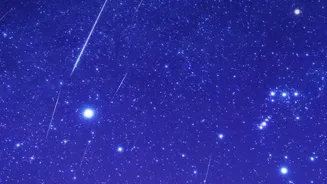
The Orionids are one of the year's most reliable and beautiful meteor showers. They are essentially tiny fragments of ice and dust shed by the famous Halley's Comet on its 76-year journey around the sun. When Earth's orbit intersects this trail of debris
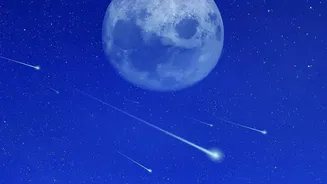
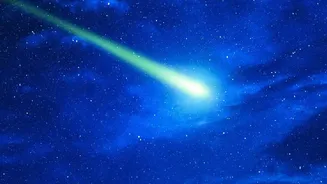
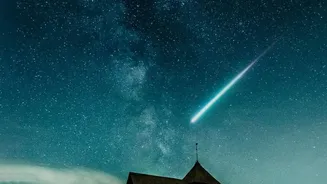
each October, the particles burn up upon entering our atmosphere, creating the fast, bright streaks of light we call meteors or shooting stars. The Orionids are known for their speed, entering the atmosphere at a blistering 66 kilometres per second, which can result in bright meteors that leave glowing trails for a few seconds. The shower gets its name because the meteors appear to radiate from a point within the constellation Orion the Hunter, but they can be seen streaking across any part of the sky.
Best Dates and Times for 2026
The Orionid meteor shower is active from early October to early November 2026. However, the best time to watch will be during its peak on the night of October 21-22. This year, viewing comes with a challenge: a bright waxing gibbous moon will light up the sky for much of the night. But there is a perfect window of opportunity for dedicated observers. The moon is expected to set around 3 a.m. local time on the peak mornings, leaving the sky dark until dawn. This pre-dawn period is your prime time for viewing. Under ideal dark-sky conditions, you might see 15 to 25 meteors per hour, but city observers should expect to see fewer.
Scout Your Urban Viewing Spot
The biggest obstacle for any city stargazer is light pollution. While you can’t escape it completely, you can significantly improve your view by choosing your location wisely. Look for a spot with a wide, unobstructed view of the sky, away from the direct glare of streetlights and building lights. Think of local parks, large open fields, or even the top floor of a parking garage with a clear sky view. A rooftop with minimal lighting can also be an excellent choice. The goal is to find the darkest patch of sky you can access safely. The fewer direct lights in your line of sight, the better your eyes will adapt to the darkness, allowing you to spot the fainter meteors.
Your Eyes Are the Only Tool You Need
This is one celestial event where a telescope or binoculars will be a hindrance, not a help. Meteor showers are best viewed with the naked eye because you want to see as much of the sky as possible. The key is dark adaptation. Once you've settled into your spot, put your phone away and allow your eyes at least 20 to 30 minutes to fully adjust to the darkness. During this time, your pupils will dilate, and you’ll begin to notice more stars and, eventually, the fleeting streaks of the meteors. Looking directly at a bright screen will reset this process, so keep your phone usage to a minimum. If you need light, use a torch with a red filter, as red light has a lesser impact on night vision.
Get Comfortable and Be Patient
Meteor watching is a game of patience. The meteors won’t fall in a constant stream; you may experience a quiet lull for several minutes followed by a sudden burst of activity. To make the wait enjoyable, comfort is key. Bring a reclining lawn chair or a thick blanket to lie on so you can look up without straining your neck. October nights can be chilly, so dress in warm layers and consider bringing a flask of a hot beverage. As for where to look, find the constellation Orion, but don't stare right at it. The meteors with the longest and most spectacular tails often appear 45 to 90 degrees away from this radiant point. Lie back, look up, and simply take in the whole sky.