






A Snack Market in Transformation
India’s love for snacking is legendary, but what defines a desirable snack is rapidly changing. The healthy snacks market, valued at over USD 3 billion in 2025, is projected to grow significantly in the coming years. This surge isn't just about swapping
fried items for baked ones; it's a deeper shift towards mindful consumption. Propelled by rising health awareness, particularly after the pandemic, urban consumers are scrutinizing labels and ingredients like never before. This has created a massive opportunity for brands that can cater to the demand for snacks that are not only convenient but also contribute to wellness goals. This evolving consumer mindset is forcing both legacy players and a wave of new startups to innovate.
The Rise of the 'Clean Label'
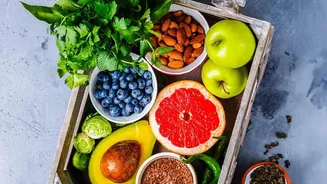
One of the biggest drivers of this change is the demand for 'clean labels'. While there's no official legal definition in India, the concept is clear to consumers: they want short, simple ingredient lists they can actually understand. This means avoiding artificial colours, flavours, and synthetic preservatives. A recent consumer study highlighted that ingredient transparency is a top priority, with 62% of respondents stating it's the most important factor when choosing a brand. This shift is moving the industry away from confusing chemical names and towards natural, recognisable components. Consumers are increasingly wary of ultra-processed foods and are looking for products that feel closer to their natural state, a trend that brands are quickly adopting.
Protein Becomes a Mainstream Priority
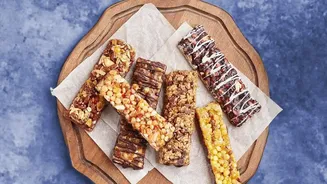
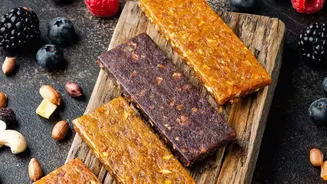
Protein is no longer a niche interest reserved for bodybuilders; it has become a mainstream nutritional goal for everyday Indians. A staggering 86% of consumers now consider protein an important factor when selecting a snack. This demand is reshaping product categories from biscuits and breakfast cereals to traditional snacks. Brands are responding by launching protein-enriched versions of everything from makhana and yoghurt to protein bars that taste more like treats than supplements. This 'protein push' is driven by a desire for snacks that provide sustained energy and satiety. Nearly a third of consumers are even willing to pay a premium for high-protein products, signaling a significant shift in spending habits towards functional foods.
Who Is the New Indian Snacker?
The movement is largely led by urban millennials and Gen Z, who are more digitally connected and influenced by global wellness trends. They are the generation most likely to read nutritional panels and actively seek out information on what they eat. But the trend isn't limited to them. Parents are increasingly willing to pay more for healthier snack options for their children, creating a new market for premium kids' nutrition. Health concerns like diabetes and obesity are also pushing consumers of all ages to reconsider their dietary habits, moving from mindless munching to more intentional, health-driven choices.
Brands Answering the Call
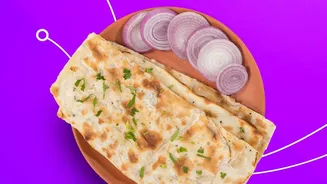
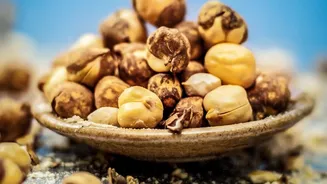
A host of brands, from agile startups to established giants, are innovating to meet this new demand. New-age brands like The Whole Truth, Slurrp Farm, and RiteBite are building their identity around clean labels and high-protein formulations, offering everything from millet-based snacks to protein bars with no artificial additives. Legacy companies like ITC and Amul are also entering the fray, launching high-protein variants of their popular products, from paneer parathas to protein-fortified kulfi. Even traditional snacks are getting a makeover; makhana (fox nuts), for example, is now widely marketed as a high-protein alternative to fried chips. This competitive landscape is a clear indicator that the demand for healthier, more transparent snacks is here to stay.