


Beyond the Global Wellness Template
The modern wellness movement, for all its benefits, often feels like it was designed in a Los Angeles lab. It’s a world of expensive powders, complicated routines, and ingredients that are hard to pronounce and even harder to find. While there’s nothing
wrong with a quinoa bowl, this one-size-fits-all approach can feel alienating, ignoring centuries of traditional wisdom tailored to local climates, bodies, and lifestyles. For many in India, the pursuit of health has started to feel less like self-care and more like subscribing to a foreign trend. This has sparked a return to our roots, a rediscovery of the potent, practical, and deeply Indian wellness that has always existed right in our own homes and grandmother’s recipe books. It’s a shift from chasing aspirational trends to embracing accessible, sustainable health.
The Potent Wisdom in a Glass
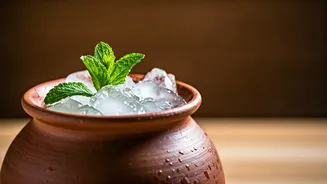
Long before ‘gut health’ became a buzzword, our ancestors were sipping on drinks designed for exactly that. Desi coolers are not just about quenching thirst; they are functional beverages steeped in Ayurvedic principles and generational knowledge. They are formulated with simple, seasonal ingredients, each with a specific purpose. Raw mango in aam panna provides a shield against heatstroke. The blend of spices in jaljeera is a powerful digestive aid. The probiotics in chaas (buttermilk) cool the system and soothe the stomach. This isn’t about adding a ‘superfood’ to your diet; it’s about a holistic system where food is medicine. These drinks work in harmony with the seasons, using what nature provides to combat the specific challenges of the climate, like the draining heat of the Indian summer. This inherent wisdom makes them feel more intuitive and effective than any imported fad.
A Cooler for Every Summer Mood
The beauty of Indian coolers lies in their sheer variety and regional diversity. In the north, a tall glass of sattu sharbat, made from roasted gram flour, offers a protein-packed, cooling meal-in-a-drink that sustains labourers through scorching afternoons. Down west, the vibrant pink of kokum sharbat, from the tangy fruit of the Garcinia indica plant, is celebrated for its ability to combat acidity and inflammation. Come festival time, especially Holi, thandai makes its appearance—a rich, creamy concoction of milk, nuts, and seeds like poppy and fennel, known for its instantly cooling and mildly intoxicating effect. And of course, there’s the ubiquitous aam panna, the sweet and sour king of summer drinks, made from boiled raw mangoes and laced with cumin, black salt, and mint. Each drink tells a story of its region, its ingredients, and the people who have trusted it for generations.
Reclaiming Health as Heritage
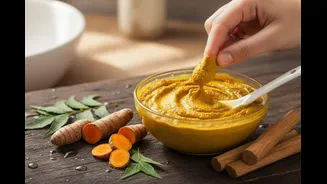
The return to desi coolers is more than just a dietary choice; it’s a cultural statement. It represents a growing confidence in our own heritage and a quiet rejection of the idea that wellness must be imported to be valid. For a new generation of Indians, making aam panna from scratch or choosing a glass of jaljeera over a canned soda is an act of reclaiming identity. It connects them to their past, to the flavours of their childhood, and to a version of health that feels authentic and owned. Social media is now filled not just with avocado toast, but with beautiful shots of golden turmeric milk and earthy sattu drinks. This movement is about decolonising our diets and our wellness routines, proving that being healthy doesn’t require abandoning our culture—it requires embracing it more fully.