





The Great Migration to the Mountains
The hum of a server farm is being replaced by the sound of prayer flags fluttering in the wind. For a growing tribe of software developers, graphic designers, and digital marketers, the office is no longer a fixed address in Bengaluru, Pune, or Hyderabad.
The post-pandemic embrace of remote work has untethered them from their desks, and many are choosing to tether their laptops to the breathtaking landscapes of Sikkim. This migration is fuelled by a desire for a better quality of life, cleaner air, and a significant reduction in the cost of living, all without sacrificing career ambitions.
Why Sikkim is the New Workation Hotspot
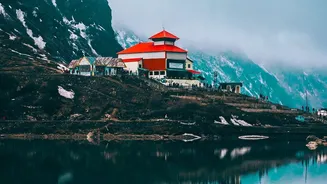
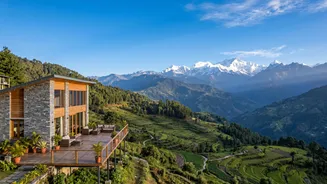
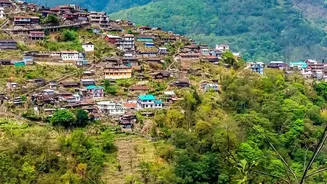
While several Himalayan states offer scenic beauty, Sikkim has emerged as a frontrunner for workations. Its reputation for peace, cleanliness, and unique local culture provides a compelling backdrop for deep work and relaxation. What once seemed a connectivity dead zone has seen a significant upgrade in its digital infrastructure. Thanks to a push towards high-speed fiber connectivity, places like Gangtok, Pelling, and Ravangla now offer reliable Wi-Fi, making seamless Zoom calls against a backdrop of the Kanchenjunga a reality. Furthermore, the state is actively encouraging this trend. In July 2025, Yakten village was declared India's first 'Digital Nomad Village', a pilot project to equip a remote hamlet with high-speed internet, power backups, and work-friendly homestays to attract long-stay remote professionals.
The All-Important Logistics: Internet and Power
For any digital nomad, the two biggest anxieties are internet speed and power supply. In Sikkim, the landscape is changing for the better. Many homestays and hotels now specifically advertise 'digital hospitality,' offering dedicated workspaces and stable fiber connections of 30-50 Mbps, which is ample for most tech-related work. However, it's wise to be prepared. Before booking a long stay, always ask the host for a recent internet speed test screenshot. Since power cuts can occur in hilly regions, confirming the availability of a generator or an inverter for uninterrupted power is crucial. As a backup, carrying two different mobile SIMs (Jio and BSNL are often recommended for the widest coverage) and a portable router UPS is a smart strategy to ensure you're always connected.
Crunching the Numbers: An Affordable Lifestyle
One of the most attractive aspects of a Sikkimese workation is its affordability. Compared to the steep rentals and high living expenses of a metro city, Sikkim offers a welcome financial respite. A comfortable private room in a work-friendly homestay, often including home-cooked meals, can be found for as low as ₹30,000 per month. Homestays in towns like Gangtok and Pelling might range from ₹1,000 to ₹1,500 per night for shorter stays. Overall monthly expenses for a single person, including accommodation, food, and utilities, can be managed within a budget that is significantly lower than a comparable lifestyle in a major Indian tech hub.
A Day in the Life: Code, Clouds, and Culture
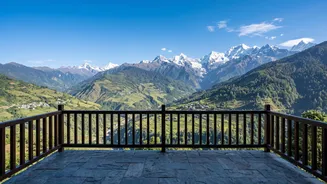
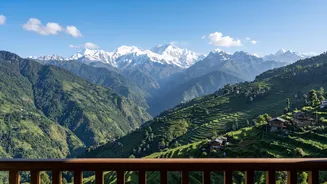
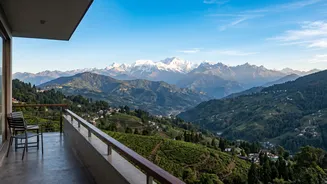
Imagine starting your workday with a cup of local Temi tea, watching the clouds roll across a green valley from your balcony. The typical day for a remote worker in Sikkim blends focused productivity with moments of natural wonder. The serene environment is conducive to deep work, free from the distractions of city life. After logging off, the evening is free for exploration. This could mean a short trek to a nearby viewpoint, a walk through a bustling local market, trying out local delicacies at a quaint cafe, or simply reading a book with the Himalayas for company. This rhythm allows for a genuine work-life balance that often feels unattainable in an urban setting.
Beyond the Laptop: Embracing the Experience
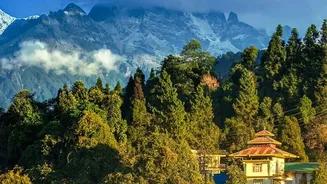
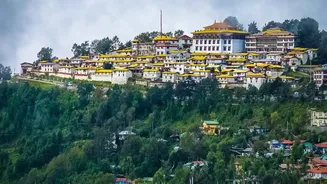
A workation in Sikkim is more than just a change of scenery; it's an immersive cultural experience. Staying in local homestays offers a chance to connect with the community, understand their way of life, and savour authentic Sikkimese cuisine. The weekends are an open invitation to adventure. From exploring ancient monasteries in Yuksom and Rinchenpong to hiking through rhododendron forests, the opportunities to disconnect from the digital world and reconnect with nature are endless. This blend of professional productivity and personal enrichment is what makes the experience truly transformative.