




Universal Themes, Personal Stakes
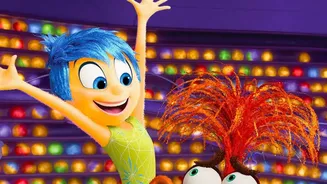
The animated movies that stick with us for years are the ones that tell deeply human stories, even if the characters aren't human at all. They tackle complex, universal themes like grief, identity, and the fear of growing up. Take Pixar's 'Inside Out,'
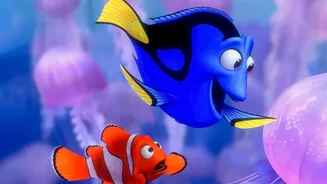
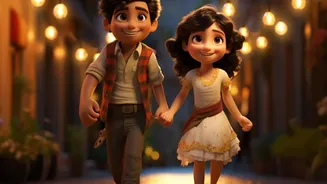
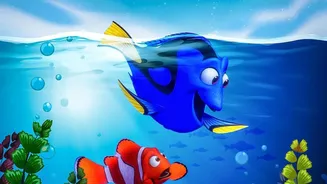
which gives shape to the turbulent emotions of a young girl, making abstract feelings tangible and relatable for both kids and adults. Similarly, 'Coco' explores family legacy and remembrance through a vibrant, personal journey. These films work because they don't talk down to their audience; they use their fantastical settings to explore real-world emotional truths. The story of a father fish desperately searching for his lost son in 'Finding Nemo' isn't just an underwater adventure; it's a powerful tale about parental love and learning to let go. By grounding grand concepts in personal, character-driven stakes, these movies ensure their emotional core resonates across generations.
World-Building That Breathes
A truly great animated film doesn't just show you a new place; it immerses you in a world with its own logic, history, and texture. Think of the intricate, bustling metropolis in 'Zootopia,' where every detail, from the different-sized doors to the neighborhood climates, reinforces the film's themes of prejudice and inclusion. These are worlds that feel lived-in and reward re-watching, allowing viewers to catch new details each time. Studio Ghibli's 'Spirited Away' is another masterclass in this, creating a spirit world that is at once bizarre and bound by its own strict rules. The blend of the mundane and the magical makes Chihiro's journey feel grounded, despite its fantastical elements. This level of detail makes the story more believable and the world more captivating. The goal of this animation isn't just to be beautiful, but to serve the story, creating a cohesive and unforgettable viewing experience.
The ‘Double-Humor’ Dividend
One of the surest signs of a classic family film is its ability to make everyone in the room laugh, but not always at the same thing. The most successful animated movies are masters of the “two-level” joke. For kids, there's slapstick and funny-looking characters, like in 'The Emperor's New Groove.' For adults, there are witty asides, clever pop-culture references, and subtle humor that fly right over younger heads. 'Shrek' famously built its entire identity on this principle, peppering its fairytale setting with jokes aimed squarely at the parents in the room. This approach respects that family movie night includes a diverse audience. It ensures that adults aren't just passively supervising but are actively entertained, making the film a genuinely shared experience. This comedic layering is a key reason these movies avoid feeling like they're only for children and instead become true family entertainment.
Visuals That Serve the Story
Breakthrough animation is about more than just technical prowess; it's about using the visual medium to deepen emotional impact. The first fully computer-generated feature, 'Toy Story,' wasn't just a tech demo; it used its unique visual style to bring a child's imagination to life. More recently, 'Spider-Man: Into the Spider-Verse' used a revolutionary, comic-book-inspired aesthetic to tell a story about finding your own style. Even in a film with minimal dialogue like 'WALL-E,' the character's design—from his binocular eyes to his simple, boxy frame—conveys a world of personality and emotion without a single word. The best animation pushes boundaries not for the sake of it, but to find new ways to express character, advance the plot, and make the audience feel something profound. This artistic intentionality is what elevates a film from a simple cartoon to a piece of cinematic art.