



Why the Monsoon Magnifies Food Risks
The rainy season creates a perfect storm for food contamination. The combination of high humidity and ambient warmth accelerates the growth of bacteria, mould, and fungi on both raw and cooked foods. This means produce spoils faster than in other seasons.
Furthermore, the risk of waterborne diseases spikes as heavy rainfall can contaminate public water sources with pollutants and sewage. This contaminated water may be used to wash vegetables and fruits, introducing harmful pathogens like E. coli and Salmonella directly onto your plate. Even our own bodies can be more vulnerable, as some health traditions, including Ayurveda, suggest that our digestive systems naturally slow down during this season, making us more susceptible to infections.
The Problem with Raw Salads
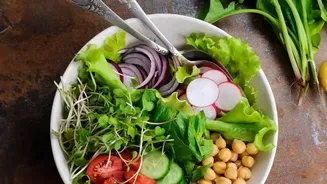
Leafy greens like spinach, lettuce, and cabbage are particularly risky when consumed raw during the monsoon. Their many folds and crevices can trap dirt, germs, and even tiny larvae that are difficult to remove completely with a simple rinse. These vegetables are often grown in damp, swampy areas, exposing them to a host of bacteria and parasites that thrive in such conditions. Similarly, cruciferous vegetables like cauliflower and broccoli have tightly packed florets that can hide moisture, mud, and insects, making them a challenge to clean thoroughly. Consuming these vegetables raw significantly increases the chances of ingesting harmful microbes that can lead to stomach cramps, diarrhoea, and other gastrointestinal issues.
The Dangers of Pre-Cut Fruits
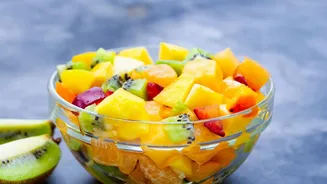
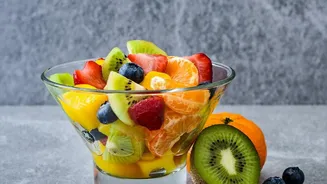
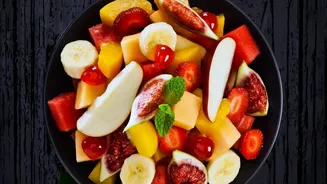
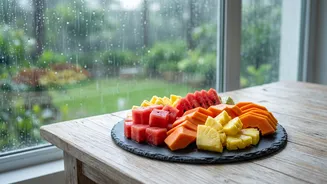
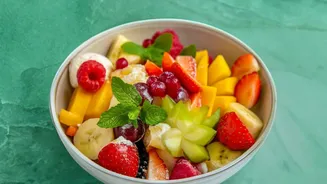
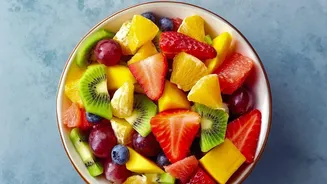
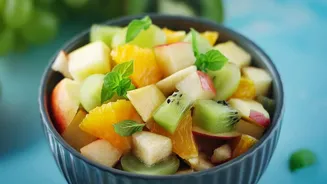
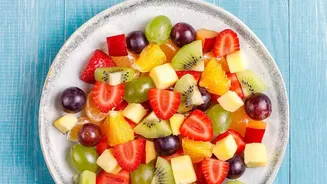
While a whole fruit has its natural peel for protection, the moment it's cut, it becomes vulnerable. Pre-cut fruits, especially those sold by roadside vendors, are a major source of concern. They are often exposed to the open air, dust, and flies for extended periods. The high moisture content of the fruit combined with the humidity in the air creates an ideal environment for bacteria to multiply on the sugary, exposed surfaces. You also have no way of knowing if the water used to wash them was clean or if the knife and chopping board were hygienic. This exposure dramatically increases the risk of foodborne illnesses.
Smarter Ways to Enjoy Vegetables
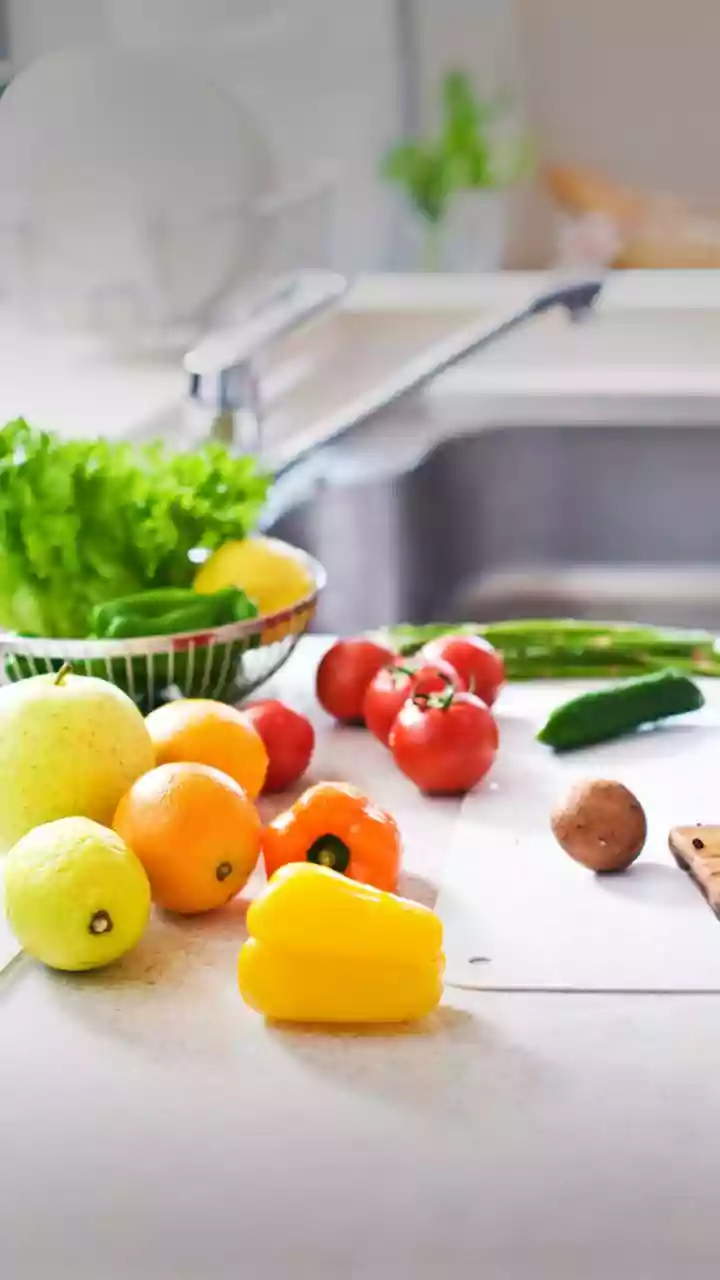
You don't have to give up vegetables entirely. The key is preparation. Instead of raw salads, opt for lightly steamed or blanched vegetables. This process helps kill many of the harmful microorganisms without completely destroying the nutrients. Thorough washing is non-negotiable. Soaking leafy greens and vegetables like cauliflower in a bowl of clean water with a bit of salt or vinegar for about 15 minutes can help dislodge hidden dirt and microbes before a final rinse under clean, running water. Always choose freshly cooked meals when eating out, as the heat helps destroy most pathogens.
How to Safely Eat Fruits
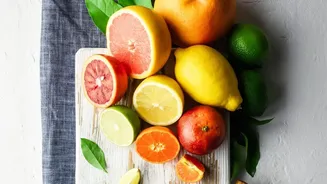
The safest approach is to buy whole fruits and prepare them at home. Fruits with thick peels that you can remove yourself, such as bananas, oranges, and pomegranates, are generally safer options as the edible part is protected from external contaminants. Always wash the outside of any fruit thoroughly under clean running water before you peel or cut it. This prevents any germs on the surface from being transferred by the knife to the flesh inside. Cut fruits only right before you plan to eat them to minimise exposure to the air. If you have leftovers, store them immediately in a clean, airtight container in the refrigerator.