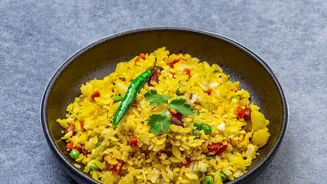

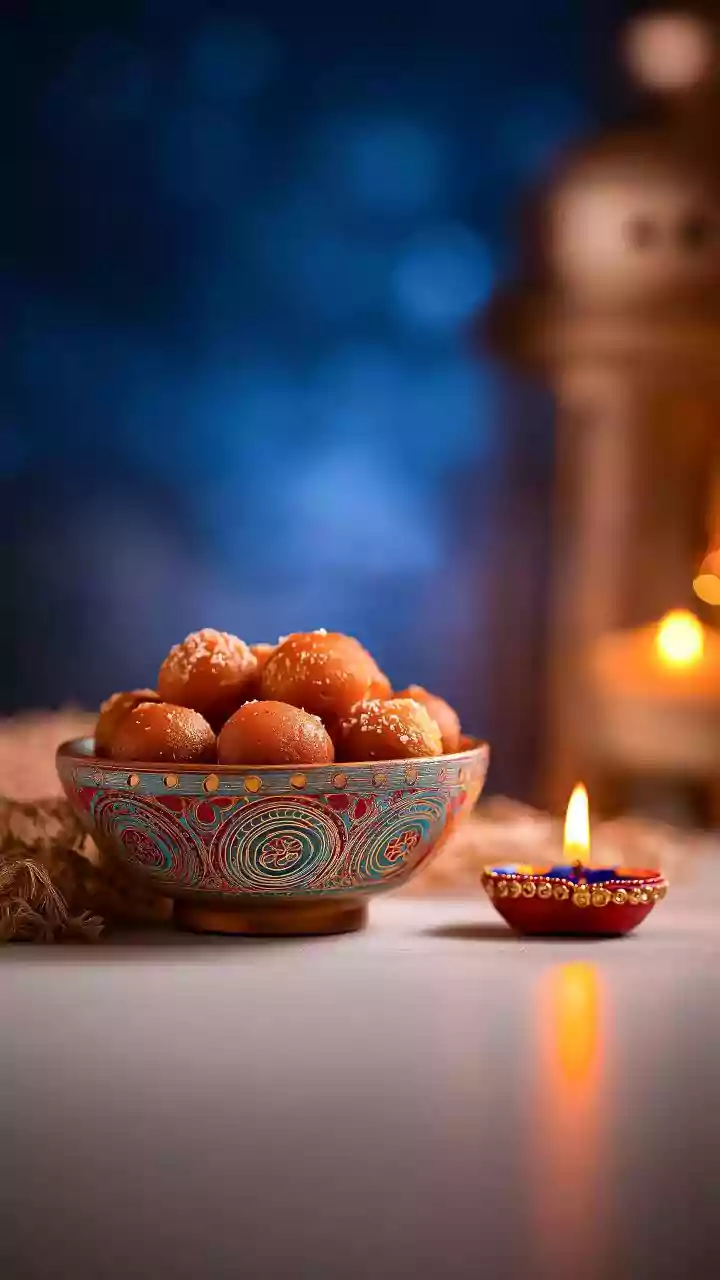

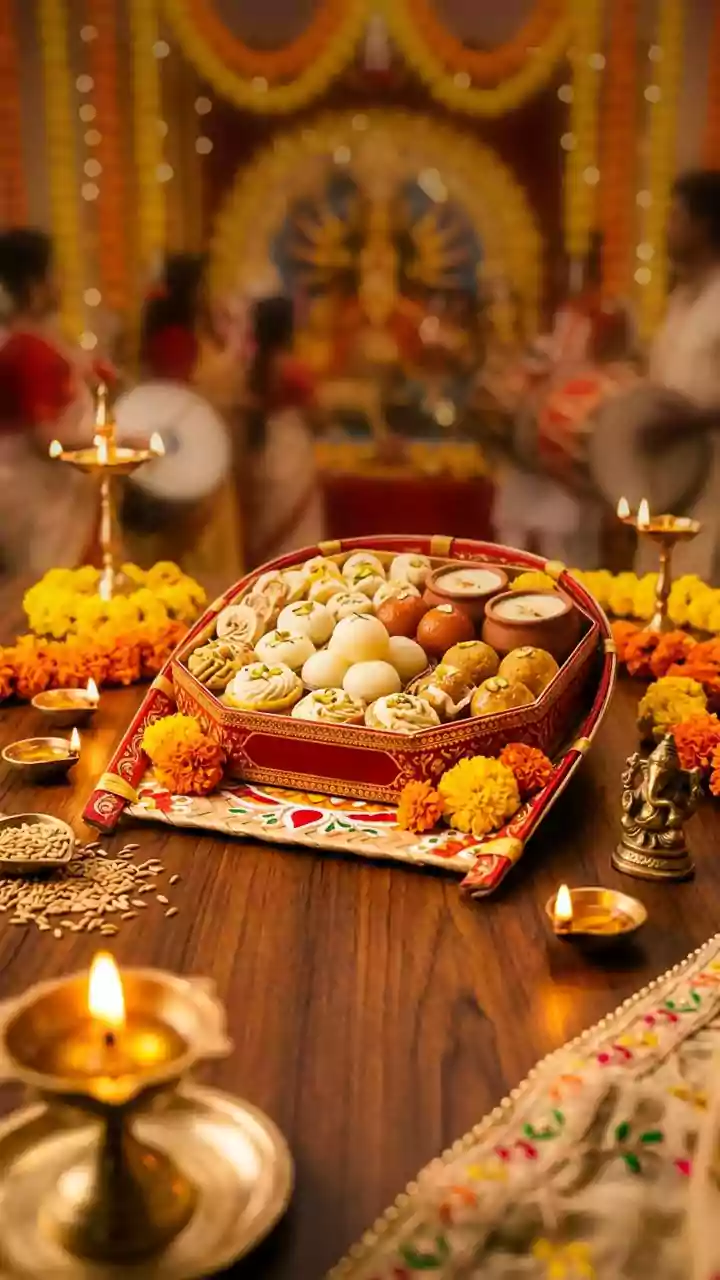


Every festival in India has a unique flavour, often defined by the special foods prepared. Many traditional Maharashtrian snacks, however, tell a larger story—one of shared tastes and culinary threads that connect states across the country.
Puran Poli and its Southern Siblings
Puran Poli
is a quintessential Maharashtrian delicacy, especially during festivals like Holi, Diwali, and Ganesh Chaturthi. This soft, sweet flatbread, stuffed with a fragrant mixture of cooked chana dal (lentils) and jaggery, is a household staple. The name itself breaks down simply: 'puran' means stuffing and 'poli' means flatbread. But this beloved sweet is not confined to Maharashtra's borders. Travel south, and you'll find its very close relatives. In Karnataka, it is known as Holige or Obbattu, while in Andhra Pradesh and Telangana, it's called Bobbatlu. While the core concept remains the same—a sweet, lentil-stuffed flatbread—subtle regional differences emerge. The Maharashtrian Puran Poli is often made with whole wheat flour and flavoured with cardamom and nutmeg. In Karnataka, the Holige can be much thinner, almost paper-like, and often uses all-purpose flour (maida) for a flakier texture. The filling might also vary, with some versions using coconut. These variations tell a story of local adaptation, yet the shared soul of the dish highlights a common culinary heritage that predates modern state lines.
The Tale of Two Dumplings: Modak and Kozhukattai
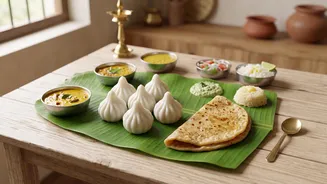
During Ganesh Chaturthi, no offering to Lord Ganesha is more iconic in Maharashtra than the Ukadiche Modak. These steamed rice-flour dumplings, pleated beautifully and filled with a sweet mix of fresh coconut and jaggery, are considered the deity's favourite food. The word 'modak' itself is derived from 'moda', meaning joy or happiness. Venture into Southern India, and you'll find an almost identical twin in the Kozhukattai of Tamil Nadu and Kerala, also prepared for Vinayaka Chaturthi. Both are typically steamed, rice-flour dumplings with a coconut and jaggery filling. While a common myth suggests that modaks are steamed and kozhukattai are fried, the traditional festive versions in both regions are steamed. The primary difference often lies in the fine details—the texture of the rice flour dough or the specific aromatics used in the filling. The existence of these two sweets, central to the same festival, showcases a powerful, shared spiritual and culinary tradition that connects the western and southern parts of the country in devotion.
Karanji, Gujiya, and the Crescent of Sweetness
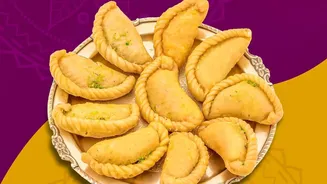
Come Diwali, Maharashtrian homes are filled with the aroma of 'faral', a collection of festive snacks. A star among them is the Karanji, a crispy, crescent-shaped pastry filled with sweetened coconut, poppy seeds, and nuts. But as you travel north, the Karanji transforms into the Gujiya. Popular in Uttar Pradesh, Rajasthan, and Gujarat, Gujiya is a must-have during Holi and Diwali. While the shape is nearly identical, the filling is what often distinguishes them. The Maharashtrian Karanji typically features a filling rich in coconut, nuts, and jaggery. In contrast, North Indian Gujiya is famously filled with khoya (milk solids), along with nuts and sugar. This difference reflects regional ingredient availability—coconut in coastal Maharashtra and milk-based sweets in the north. This snack, known by many names like Ghughra in Gujarat and Kajjikayalu in Andhra Pradesh, is a testament to how a single food concept can adapt and flourish across diverse regions, each making it their own.
The Savoury Spiral: Chakli and Murukku
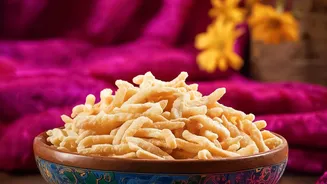
Not all festive bridges are sweet. The crunchy, savoury spiral known as Chakli in Maharashtra is a beloved tea_time and festival snack. Made from a dough of rice flour, gram flour, and spices, it is pressed into its iconic shape and deep_fried. This same snack is a cornerstone of South Indian cuisine , where it is called Murukku , a Tamil word meaning 'twisted'. While visually similar ,the primary difference between Chakli and Murukku lies in the flour composition . Maharashtrian Chakli often uses a blend that includes besan (gram flour) or a special multi_grain flour called 'bhajani', giving it a nuttier ,dense texture . South Indian Murukku ,on the other hand ,traditionally relies more heavily on rice flour and urad dal flour ,resulting in a lighter ,crispier snack . Despite these subtle differences ,the shared love for this spiral snack ,from Maharashtra to Tamil Nadu ,underscores a unified palate for crunchy ,savoury delights.