




Connecting With The Earth
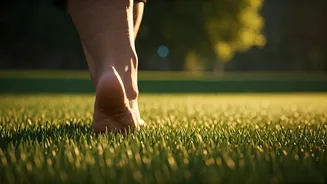
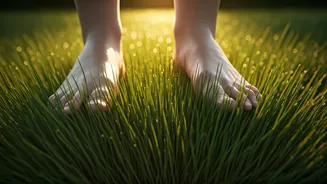
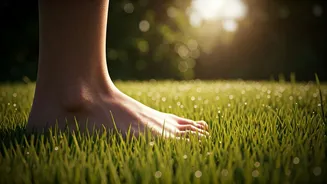
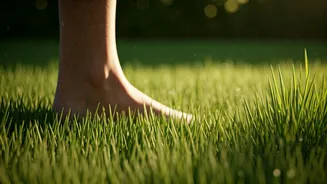
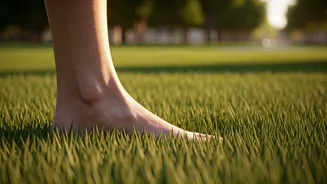
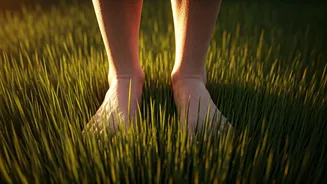
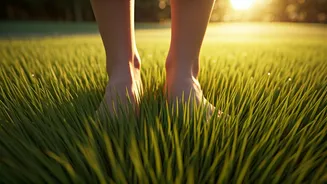
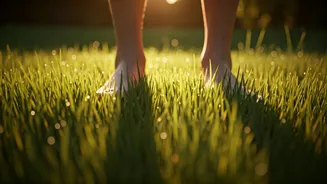
Before we even get to running, let's talk about the simple act of walking barefoot on a natural surface. This practice, often called ‘grounding’ or ‘earthing’, is rooted in the idea that direct physical contact with the earth has unique wellness benefits.
Proponents believe it helps reduce inflammation and improve sleep by allowing a transfer of free electrons from the ground into the body. While the science on electron transfer is still developing, the physical and sensory experience of feeling the cool, soft grass under your feet is undeniably calming and centering. It forces you to be present and pay attention to your body and environment in a way that modern, shoe-clad life often prevents.
The Science of Barefoot Movement
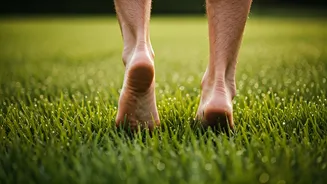
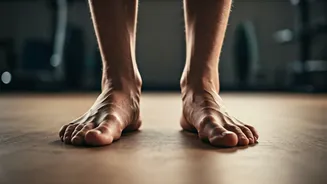
Our feet are marvels of engineering, containing over 26 bones, 30 joints, and more than 100 muscles, tendons, and ligaments. They are also packed with nerve endings, making them incredibly sensitive. When you run in cushioned shoes, you dull this feedback. Your foot lands differently—often with a heavy heel strike—because the shoe’s padding absorbs the impact. Barefoot running encourages a forefoot or midfoot strike. This shift isn't just a stylistic choice; it's your body's natural way to absorb shock. It engages the arches of your feet and the muscles in your lower legs as natural springs, which can lead to stronger, more resilient feet over time.
The Posture Connection
So, how does running barefoot on grass translate to better posture? It’s all about the kinetic chain. Your body is an interconnected system; what happens at your feet has a ripple effect all the way up to your head. When you run barefoot, your body receives constant, detailed feedback from the ground. This is called proprioception, or your sense of body position. Improved proprioception allows you to make micro-adjustments in your alignment automatically. As the small stabilising muscles in your feet and ankles get stronger, they provide a more stable foundation. This stability travels up, potentially helping to align your knees, hips, and spine, encouraging a more upright and efficient posture rather than the slouch many of us adopt from sitting all day.
Getting Started Safely
Ditching your shoes sounds simple, but you can’t just go from zero to a 5K on your first day. Your feet and lower legs need time to adapt. Start by simply walking barefoot on a safe, soft surface like a clean park lawn or a sandy beach for 10–15 minutes a day. Check the area carefully for sharp objects like glass, stones, or thorns. Once you’re comfortable walking, try introducing short running intervals: jog for one minute, walk for two, and repeat a few times. Listen to your body. If you feel any sharp pain (different from muscle soreness), stop. Gradually increase the duration of your runs over several weeks. Your goal is to build strength slowly, not to push through pain.
Potential Risks to Consider
While the benefits are compelling, it’s important to be realistic about the risks. The most obvious danger is stepping on something sharp. Always scan your path, and avoid running barefoot in urban areas or places where litter is common. The other major risk is doing too much, too soon. The muscles, tendons, and bones in your feet are not used to this level of work. Ramping up your barefoot mileage too quickly can lead to injuries like stress fractures, plantar fasciitis, or Achilles tendinitis. People with certain pre-existing conditions, like diabetes-related neuropathy or significant foot deformities, should consult a doctor or podiatrist before attempting barefoot running. It’s not for everyone, and that’s okay.