






The Rainfall Report Card
After an erratic season, September's rainfall is critical for the health of standing Kharif crops. The India Meteorological Department (IMD) has forecast that rainfall for September 2026 is likely to be below normal, at less than 91% of the Long Period
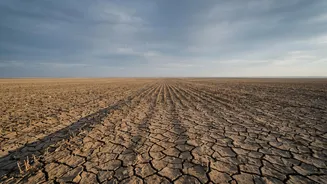
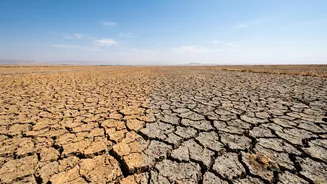
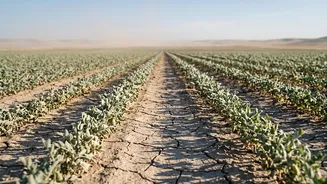
Average. This comes after a cumulative deficit of nearly 14% between June and August. The month of August was particularly dry, recording 16.3% below-normal rain. This prolonged dry spell, influenced by strengthening El Niño conditions in the Pacific Ocean, is depleting soil moisture just as crops enter their final growth stage. While some parts of the country have received heavy downpours, many key agricultural belts, especially in peninsular India, are facing significant shortfalls.
Which Crops Are Most Vulnerable?
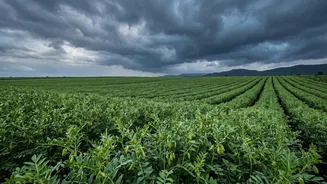
The timing of the rain deficit is particularly worrying for summer-sown crops. Pulses, rice, soybeans, and sugarcane are all at a critical grain-filling or maturing stage where adequate moisture is essential for yield. According to the farm ministry, the sowing of rice and corn was already trailing last year's pace as of late August. Experts warn that a dry September could directly impact the final output. The US Department of Agriculture's Foreign Agricultural Service has estimated that weak rainfall may cut India’s rice production by about 4.5% and corn output by 9.3% this year. The impact isn't just limited to the current Kharif harvest; poor September rains also affect the soil moisture needed for planting the upcoming winter (Rabi) crops like wheat and rapeseed.
The Pressure on Your Pocket
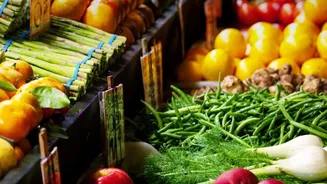
For the average consumer, a poor harvest translates directly to higher prices. Food inflation figures were already showing signs of accelerating even before the full impact of the weak monsoon was felt. In July, food inflation rose to 5.5%, outpacing the broader consumer price index. Analysts warn that if the monsoon ends weakly, staple food items will likely become more expensive. Pulses, edible oils, and vegetables are often the first to feel the pressure. A potential rise in fodder costs due to poor rains could also lead to an increase in milk prices down the line. With the festival season approaching, a period of typically high demand, any supply constraints could amplify price hikes for households.
Government on Guard
The government is closely monitoring the situation to preempt a sharp spike in food inflation. With buffer stocks of key cereals like rice and wheat at record levels, there is a cushion to absorb some of the production shock and ensure sufficient domestic supply. However, for other commodities, proactive measures may be required. In a sign of the growing strain, the government has already permitted duty-free imports of sugar to ease a domestic shortage, a step taken for the first time in nearly a decade. Ministries are also advising states in vulnerable districts to promote the cultivation of crops that require less water, such as millets and certain pulses, to mitigate the impact of the rainfall deficit.