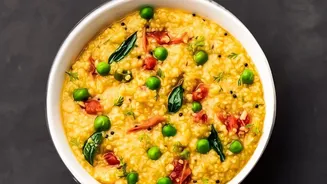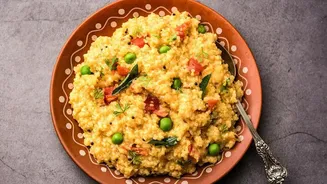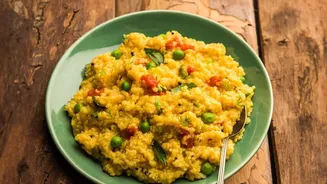





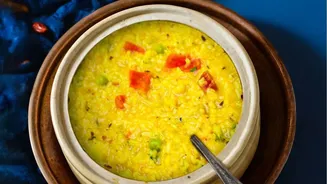
Finding the right fuel before or after a workout can feel like a puzzle. You want energy and recovery, but heavy meals don't work. Enter oats khichdi, a comforting classic with a modern, high-performance twist that fits right into your training.
The Golden Rules of Training Fuel
Before
we get into the specifics of khichdi, let's cover the basics of what your body needs around a workout. Think of your nutrition as having two main jobs: providing energy to perform and supplying materials to recover. Before a workout, your body needs a steady supply of energy, which it gets from carbohydrates. Complex carbohydrates, like those in whole grains, are ideal because they release energy slowly, preventing a sudden crash mid-session. After the workout, the focus shifts to recovery. Your muscles need protein to repair the micro-tears caused by exercise, which is how they get stronger. Combining protein with carbs post-workout also helps replenish your energy stores, known as glycogen. The perfect training meal, therefore, is a balanced mix of complex carbs and quality protein, that is also easy to digest.
Why Oats Khichdi Is a Training Powerhouse
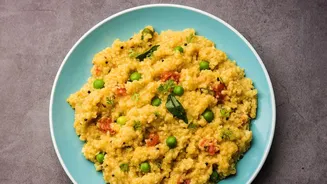
This is where a humble bowl of oats khichdi shines. Traditionally made with rice, swapping in oats transforms the dish into an ideal athletic meal. Oats are a fantastic source of complex carbohydrates and soluble fibre, providing that slow, sustained energy release perfect for powering through a long workout. Unlike a sugary snack that gives you a quick spike and an even quicker drop, oats keep your energy levels stable. When combined with lentils (dal), the dish becomes a protein-packed meal. Moong dal, a common ingredient, is not only rich in plant-based protein but also easy to digest. The combination of a grain like oats with a legume like dal creates a more complete amino acid profile, giving your body all the building blocks it needs for effective muscle repair. This one-pot meal delivers the exact carbohydrate and protein partnership your body craves.
Customise Your Bowl for Peak Performance
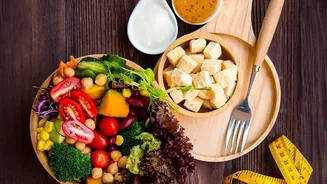
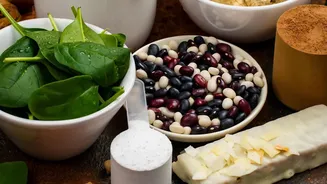
The beauty of khichdi is its versatility. You can easily adjust it to meet your specific nutritional needs. To increase the protein content, consider adding a handful of soya chunks, which can add over 10 grams of protein per serving. Stirring in cubed paneer or tofu after cooking is another excellent way to boost protein and make the meal more filling. For extra fibre and micronutrients, load it up with vegetables like spinach, carrots, and peas. Serving it with a side of curd not only adds another 3-4 grams of protein but also provides probiotics for gut health. These simple additions can turn a standard bowl of khichdi into a high-performance meal with 20-30 grams of protein, tailored to your recovery needs.
Beyond Khichdi: Applying the Principles
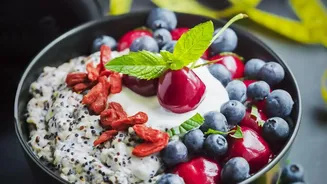
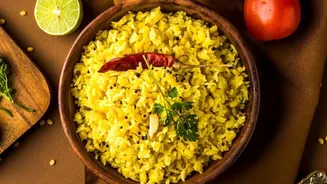
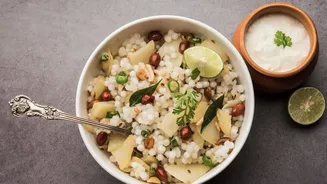
While oats khichdi is a fantastic example, the real lesson is in the principle: combine a complex carbohydrate with a solid protein source. You can apply this formula to countless other Indian meals. Think about a simple dal with brown rice, paneer with roti, or even a chana pulao. For a quick pre-workout snack, a banana with a handful of roasted chana works well. Post_workout, a bowl of curd with fruit and nuts or a simple egg bhurji with whole_wheat toast can effectively kickstart recovery. The goal is to move away from viewing Indian food as just 'carbs' and recognise its potential as balanced fuel when ingredients are chosen thoughtfully.
Managing Your 'Magic Meal' Expectations
It's crucial to have realistic expectations. No single meal, not even a perfectly balanced oats khichdi, is a magic bullet for fitness. Nutrition works in synergy with consistent training, proper hydration, and adequate rest. Think of your diet as a system of habits, not a set of rigid rules. Focus on process_based goals, like hitting a daily protein target or ensuring your post_workout meal is balanced, rather than expecting one dish to transform your body overnight. Progress in fitness is a long_term game built on sustainable habits. Listen to your body—what works for one person might not be perfect for you. Track your energy levels and how you feel during your workouts to find the fueling strategy that best supports your personal goals.