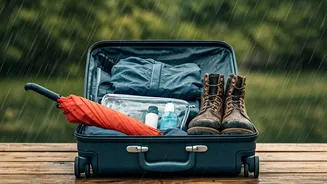









Build Your Monsoon Emergency Kit
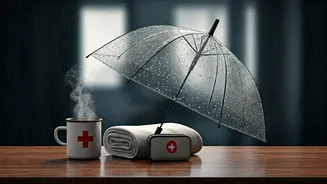
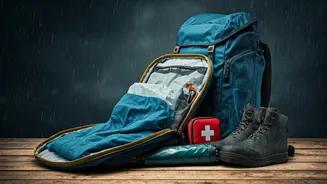
Power cuts and being stuck at home are monsoon mainstays. Instead of scrambling in the dark, prepare a dedicated emergency kit. This should go beyond basic first aid. Include a high-power LED torch with extra batteries, a fully charged power bank for
your phone, and a separate waterproof pouch for important documents like your Aadhaar card and insurance papers. Also, stock up on essentials that don’t require cooking, like nuts, biscuits, and energy bars. A few candles and a lighter are classic for a reason. Having this kit ready means a power outage becomes a minor inconvenience rather than a major crisis.
Fortify Your Health and Immunity
The monsoon is peak season for water-borne and vector-borne diseases. Your top priority should be safeguarding your health. First, ensure your drinking water is safe; boil it, use a reliable purifier, or stick to bottled water from trusted sources. This is not the time to be complacent. Second, be extremely cautious about food. Avoid raw vegetables in salads and minimise eating from street vendors, as the risk of contamination from unclean water is high. Instead, focus on hot, freshly cooked meals. Boost your immunity by incorporating Vitamin C-rich foods like citrus fruits and amla into your diet, and consider traditional immunity-boosters like turmeric milk (haldi doodh).
Navigate Waterlogged Streets Safely
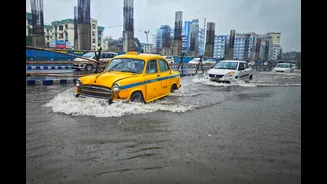
A flooded street isn't just an inconvenience; it's a health and safety hazard. Stagnant water can harbour diseases like leptospirosis and contain hidden dangers like open manholes or sharp debris. Avoid wading through floodwaters if at all possible. If you must, wear full-length waterproof boots. After any contact with floodwater, wash your legs and feet thoroughly with soap and clean water. For drivers and riders, the rules are simple: slow down, maintain a safe distance, and never drive through deep, standing water. Your car's engine could stall, or worse, you could lose control. Check your tyres for good grip and ensure your brakes and wipers are in perfect working order before the season begins.
Protect Your Home from Damp and Danger
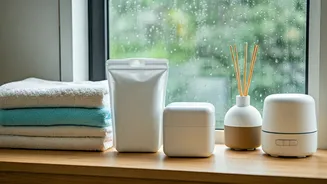
Your home is your sanctuary, but the monsoon can test its defences. Before the heavy rains begin, do a quick check for potential leaks in the roof or around windows and seal them. The biggest enemy indoors is dampness, which leads to mould and a musty smell. Promote ventilation by opening windows whenever the rain stops. Use dehumidifiers or traditional moisture absorbers like silica gel packets in cupboards to protect clothes and electronics. Electrical safety is paramount. Avoid touching switches with wet hands, and it’s a good practice to unplug expensive electronics like TVs and computers during heavy thunderstorms to protect them from power surges.
Master the Monsoon Wardrobe
Dressing smartly can make a huge difference to your comfort and health. This is the season to pack away your heavy denims and cottons, as they take forever to dry and feel miserable when wet. Instead, opt for lightweight, quick-drying synthetic fabrics like nylon and polyester. When it comes to footwear, style takes a backseat to safety. Choose sandals or floaters with a good grip to avoid slipping on slick surfaces. Avoid closed leather shoes, which can be ruined by water and lead to fungal infections. Getting clothes to dry indoors can be a challenge. Invest in a good clothes-drying rack and place it in a well-ventilated area, perhaps with a fan pointed at it to speed up the process.