

The Protein-Aware Shift
For generations, the Indian plate has been naturally rich in plant-based foods. Yet, with growing fitness consciousness and awareness about nutrient gaps, many are now actively tracking their protein intake. While paneer, dairy, and soy products like
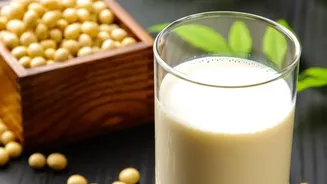
tofu and soya chunks have been popular choices, a wider search for variety, better nutrition, and traditional wisdom is underway. This shift isn't about importing new trends but about appreciating the powerhouse ingredients already sitting in our pantries. It’s a move toward a more balanced and diverse approach to plant-based nutrition, rooted in ingredients that are both affordable and culturally familiar.
Pulses: The Original Powerhouse
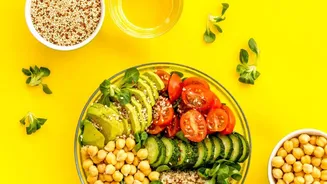
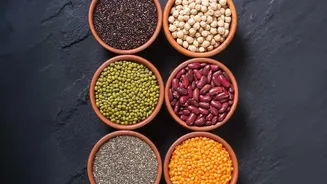
Long before protein powders became mainstream, dals were the backbone of Indian protein intake. These lentils and legumes are not just comforting but are also nutritional giants. Urad dal, the key to fluffy idlis and creamy dal makhani, leads the pack with about 25g of protein per 100g. Moong dal, known for being light and easy to digest, is not far behind, offering around 24g. Everyday staples like toor (arhar) dal and masoor dal provide a solid 22-24g of protein per 100g. Beyond dals, chickpeas (chana) and kidney beans (rajma) are equally impressive, providing around 15g of protein per cooked cup and forming the basis of hearty, satisfying meals. Combining these pulses with rice or roti creates a complete protein, a principle long embedded in Indian food culture.
Grains That Pack a Protein Punch
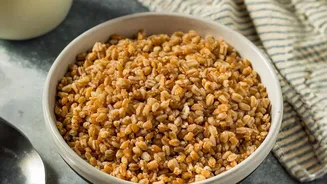
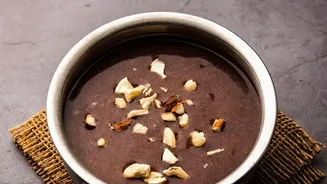
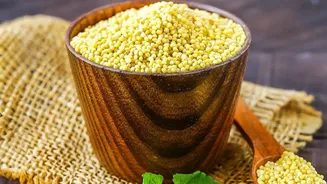
The conversation around grains is moving beyond just wheat and rice. Millets, once considered humble grains, are making a major comeback, celebrated for their robust nutritional profile. Bajra (pearl millet) is a standout, delivering about 11-12g of protein per 100g. Jowar (sorghum) offers a comparable 10-11g, while ragi (finger millet), famous for its high calcium content, provides around 7-8g of protein. These ancient grains are not just higher in protein than white rice but also packed with fibre and essential minerals. Even pseudo-grains like amaranth (rajgira), which contains all essential amino acids, are gaining recognition as a valuable protein source, offering about 14g per 100g.
Nuts and Seeds: The Mighty Minis
Nuts and seeds are the ultimate nutritional top-up, easily adding a protein boost to any meal or snack. Peanuts are one of the most affordable and protein-dense options, with about 26g of protein per 100g. A handful of almonds provides a good dose of protein alongside healthy fats. But the real surprise comes from seeds. Hemp seeds are a complete protein, while pumpkin seeds are also exceptionally high, with some sources noting up to 30g per 100g. Tiny powerhouses like sesame (til) seeds and melon seeds are also significant contributors. Sprinkling these on salads, blending them into smoothies, or simply eating a handful as a snack is an effortless way to increase daily protein intake.
Building a Complete Protein Plate
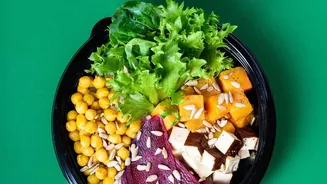
The beauty of a traditional Indian diet is its inherent understanding of food synergy. Most plant proteins, except for a few like quinoa and soy, are 'incomplete', meaning they lack one or more essential amino acids. However, the classic combinations seen across the country naturally solve this. A meal of dal and rice, rajma-chawal, or roti with a millet-based curry ensures you get a full spectrum of amino acids. By diversifying sources throughout the day—perhaps starting with a millet porridge for breakfast, having a lentil curry for lunch, snacking on roasted chana or nuts, and ending with a tofu or vegetable stir-fry—one can easily meet their protein needs without relying on a single source like soy. This balanced approach not only enhances nutritional value but also adds a rich variety of tastes and textures to every meal.