




The Fatigue with 'For the 'Gram' Food
There was a time when cooking to impress meant mimicking the complicated flair of a fine-dining restaurant. The goal wasn't just to cook, but to plate. Social media amplified this, creating a culture where a dish's 'Instagrammability' often outweighed
its actual taste. This involved obscure ingredients, fussy techniques, and an aesthetic that felt more international than Indian. Home cooks found themselves chasing an ideal that was often expensive, time-consuming, and ultimately, unsatisfying. The backlash was inevitable. People began questioning the need for a 'swirl' or a 'smear' when a simple, hearty bowl of rajma-chawal offered so much more comfort and genuine pleasure. The pendulum is swinging back from performative cooking to soulful eating.
A Return to Regional Roots
This desire for authenticity has sparked a powerful rediscovery of India's vast and varied regional cuisines. Instead of looking outwards for inspiration, many are now looking inwards and backwards—to the recipes of their grandparents. There is a growing pride in the distinct culinary traditions of states like Odisha, Bihar, Assam, and the hyper-local flavours within Maharashtra or Tamil Nadu. Home cooks are actively seeking out heirloom rice varieties, forgotten vegetables, and unique spice blends specific to their heritage. This isn't about nostalgia for its own sake; it's about celebrating a culinary identity that is rich, diverse, and unapologetically Indian. Cookbooks and food blogs dedicated to, say, Kathiawadi or Malvani food are gaining prominence over generic 'modern Indian' ones.
Flavour is the Undisputed Hero
At the heart of this movement is a simple truth: flavour is king. The new focus is on maximising taste using honest, straightforward methods. It’s about understanding how to properly temper spices, the magic of slow-cooking a dal, or the perfect balance of sour, sweet, and spice in a curry. It’s about letting the ingredients shine. This approach doesn't shy away from ghee, mustard oil, or a generous hand with spices. It rejects the bland, watered-down 'health' versions of Indian classics in favour of the robust, full-bodied originals. The most-loved dishes are often the ones that have been perfected over generations, not invented last week in a trendy kitchen lab. This is a return to food that nourishes the soul as much as the body.
The New Smart Pantry
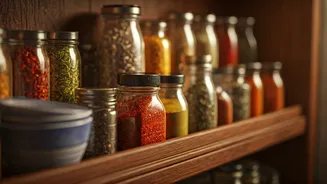
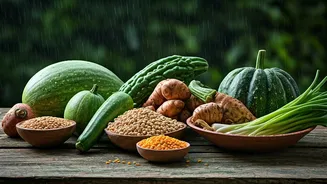
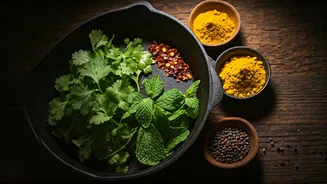
This shift is also reflected in our grocery lists. The obsession with imported 'superfoods' like quinoa and kale is making way for a smarter, more sustainable pantry filled with local powerhouses. Millets like jowar, bajra, and ragi are back in the spotlight. Seasonal, local vegetables are being celebrated for their freshness and flavour. There’s a renewed appreciation for high-quality, unadulterated staples: good turmeric, fragrant peppercorns, and cold-pressed oils. People are realising that a well-stocked masala dabba is more versatile than a shelf full of exotic, single-use condiments. This approach is not only more flavourful and economical but also better for the environment and local farm economies. It’s a practical, common-sense return to how Indians have always eaten.