






What Are the Orionids?
The Orionid meteor shower is an annual event that occurs when Earth passes through the stream of debris left behind by Halley's Comet. While Halley's Comet itself is only visible from Earth every 76 years (the next visit is in 2061), we get to see its dusty
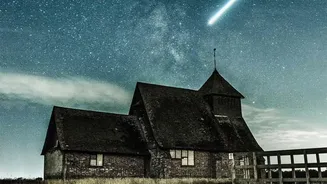
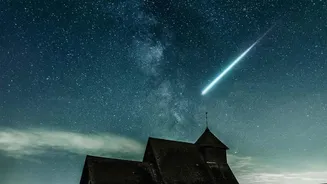
remnants burn up in our atmosphere every October. These tiny particles, often no bigger than a grain of sand, enter the atmosphere at tremendous speeds—around 66 kilometres per second—and incinerate, creating the fast, bright streaks of light we call meteors. The shower is named 'Orionids' because the meteors appear to radiate from a point within the constellation of Orion, one of the most recognisable patterns in the night sky.
When to Watch in India in 2026
Mark your calendars for the night of October 21-22, 2026. This is when the Orionid meteor shower will reach its peak activity. While the shower is active from early October to early November, your best chance to see the highest number of meteors is during this peak. The ideal viewing time is from after midnight until the early hours of the morning, just before dawn. This year, there will be a bright waxing gibbous moon, which can wash out fainter meteors. However, the good news for Indian skywatchers is that the moon will set around 3 a.m. local time, leaving a window of dark sky until sunrise. So, for the best show, plan to be watching between 3 a.m. and dawn on the morning of October 22.
Finding the Perfect Viewing Spot
The single most important factor for a successful meteor shower viewing is getting away from city lights. Light pollution from cities, towns, and even bright streetlights can drastically reduce the number of meteors you'll be able to see. For viewers in major metropolitan areas like Delhi, Mumbai, or Chennai, this means planning a trip to a more rural location. Look for open areas with a wide, unobstructed view of the sky, such as fields, beaches, or hilltops. Places known for dark skies in India include desert regions in Rajasthan like Jaisalmer, high-altitude areas like Spiti Valley or Ladakh, and designated dark-sky reserves. Even a 60-90 minute drive away from a major city can make a huge difference. Check the weather forecast before you go; clear skies are essential. Fortunately, October weather is often favourable for stargazing across many parts of India.
How to Watch: Tips for Success
The best part about watching a meteor shower is that you don't need any special equipment like a telescope or binoculars. In fact, your naked eyes are the best tools because they provide the widest field of view, making it easier to spot the fast-moving meteors. Once you've found your dark spot, give your eyes at least 20-30 minutes to fully adjust to the darkness; this will help you see more of the fainter streaks. Avoid looking at your phone screen, as the bright light will ruin your night vision. Get comfortable by bringing a blanket, a yoga mat, or a reclining chair so you can lie back and look straight up. While the meteors radiate from Orion, they can appear anywhere in the sky, so a broad view is best. Patience is key—meteors often appear in spurts with quiet lulls in between.
What to Expect From the Show
Under ideal conditions—a perfectly dark sky with no moonlight—the Orionids can produce about 15 to 20 meteors per hour at their peak. However, from a suburban location or with some moonlight interference, this number may be lower. Don't expect a constant downpour of shooting stars. Instead, you will likely see them in random bursts. The Orionids are known for their speed and brightness, and they sometimes leave persistent, glowing trails that can linger for a few seconds after the initial flash. Occasionally, the shower can produce exceptionally bright meteors known as fireballs. The experience is not just about the numbers; it's about the quiet thrill of watching pieces of a famous comet create a natural light show in the sky above.