



Understanding the Fear
For most pets, especially cats, the carrier is not a happy place. It only appears for unpleasant events: a noisy car ride followed by a visit to the veterinarian. This creates a powerful and negative association. The moment the carrier comes out of the closet,
they anticipate a stressful experience, triggering a fight-or-flight response. Signs of this anxiety can range from hiding and excessive meowing to trembling, drooling, or even aggression. The goal of carrier training is to dismantle this negative association and build a new, positive one, turning the carrier from a scary box into a safe space.
Making the Carrier a Home Base
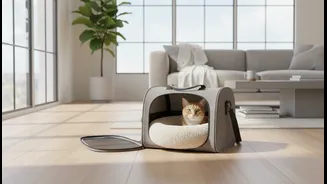
The first step is to make the carrier a normal part of your pet's environment. Instead of stashing it in a closet, leave it out in a room where your pet likes to spend time. Take the door off or prop it securely open so it can't accidentally slam shut. To make it more inviting, place a soft blanket or an item of your clothing inside to provide a familiar and comforting scent. The idea is to desensitize your pet to the carrier's presence, allowing them to investigate it on their own terms without any pressure. This process can take days or even weeks, so patience is crucial.
Building Positive Associations
Once your pet is comfortable with the carrier being in their space, you can start actively creating positive experiences around it. This process is called counter-conditioning. Begin placing high-value treats, their favorite toys, or even their regular meals near the carrier. Gradually move the food and treats closer to the entrance, and then just inside. The goal is to entice them to enter voluntarily. Reward any positive interaction, whether it's just a sniff, a paw placed inside, or them going all the way in. Keep these training sessions short and positive, just a few minutes each day.
Practice Makes Perfect: The Next Steps
When your pet is happily entering the carrier to eat or get treats, you can start reintroducing the door. While they are inside, briefly close the door, then immediately open it and give them a reward. Gradually increase the amount of time the door is closed. Once they are calm with the door shut for a minute or two, you can try lifting the carrier, holding it for a few seconds, and then setting it back down, followed by a treat. The next phase is practice trips. Start with a short journey to the end of the driveway and back. Then, try a quick trip around the block that ends back at home with a reward. The key is to have many more of these positive, uneventful trips than trips that end at the vet.
Tips for the Day of Travel
When it's time for the actual clinic visit, your preparation will pay off. To further reduce stress on the day, consider spraying the carrier's bedding with a synthetic feline pheromone spray about 30 minutes before you need to leave. These sprays mimic natural calming scents and can help create a more secure feeling. During the car ride, drive calmly and avoid loud music. You can also place a towel or light blanket over the carrier; reducing visual stimulation can help keep some pets calmer. Throughout the process, from training to the trip itself, remain calm yourself. Pets are highly attuned to our emotions, and if they sense your anxiety, it will only increase their own.